  1. Home
  2. Cars
  3. Emerging Tech
  4. News

Mercedes-Benz could use rainwater to improve your car’s traction on snow

Add as a preferred source on Google

A patent recently filed by Mercedes-Benz parent company Daimler sheds light on a new technology that could make driving in snowy and icy conditions much safer.

A diagram submitted with the patent illustrates an innovative system that improves traction by spraying hot water on tires in order to melt snow and ice. The water is pumped out of a small tank it’s stored in and through a heat exchanger, a process that makes it hot enough to melt snow. It’s then sprayed directly onto the spinning tire by three small nozzles integrated into the wheel well. Sensors presumably send a signal to the ECU when the tires themselves need to be de-iced.

Daimler Water Spraying patent
MotorAuthority
MotorAuthority
Recommended Videos

The system is designed to collect water as it drips down the rear window — it can be either rainwater, water from a car wash, or melting snow. Drivers who live in Seattle shouldn’t need to top up the tank; those who live in Palm Springs and occasionally take a weekend trip to a ski resort, though, will likely need to fill up before they leave.

Alternatively, the technology can in theory be used to prevent tires from getting too hot, either in the summer or when driving on a track. Daimler is aware of the possibility, according to MotorAuthority, but it points out that it would need to integrate thermal imaging cameras into the system in order to monitor the temperature of each tire, when to spray water, and how much of it is needed.

Read more: Mercedes’ 2017 E400 proves the station wagon isn’t dead yet

The patent doesn’t guarantee that the next C-Class will come with tire-spraying technology. At this point it’s simply an idea that Mercedes engineers are toying around with, and we don’t know if — let alone when — it will make its debut on a production model. If it’s approved for production, look for the system to appear on a top-rung model like the S-Class

Ronan Glon
Ronan Glon is an American automotive and tech journalist based in southern France. As a long-time contributor to Digital…
Tesla launches the six-seat Model Y Long Wheelbase in the US
The stretched electric SUV brings more space, more comfort, and up to 325 miles of range.
Tesla Model Y Long Wheelbase Featured

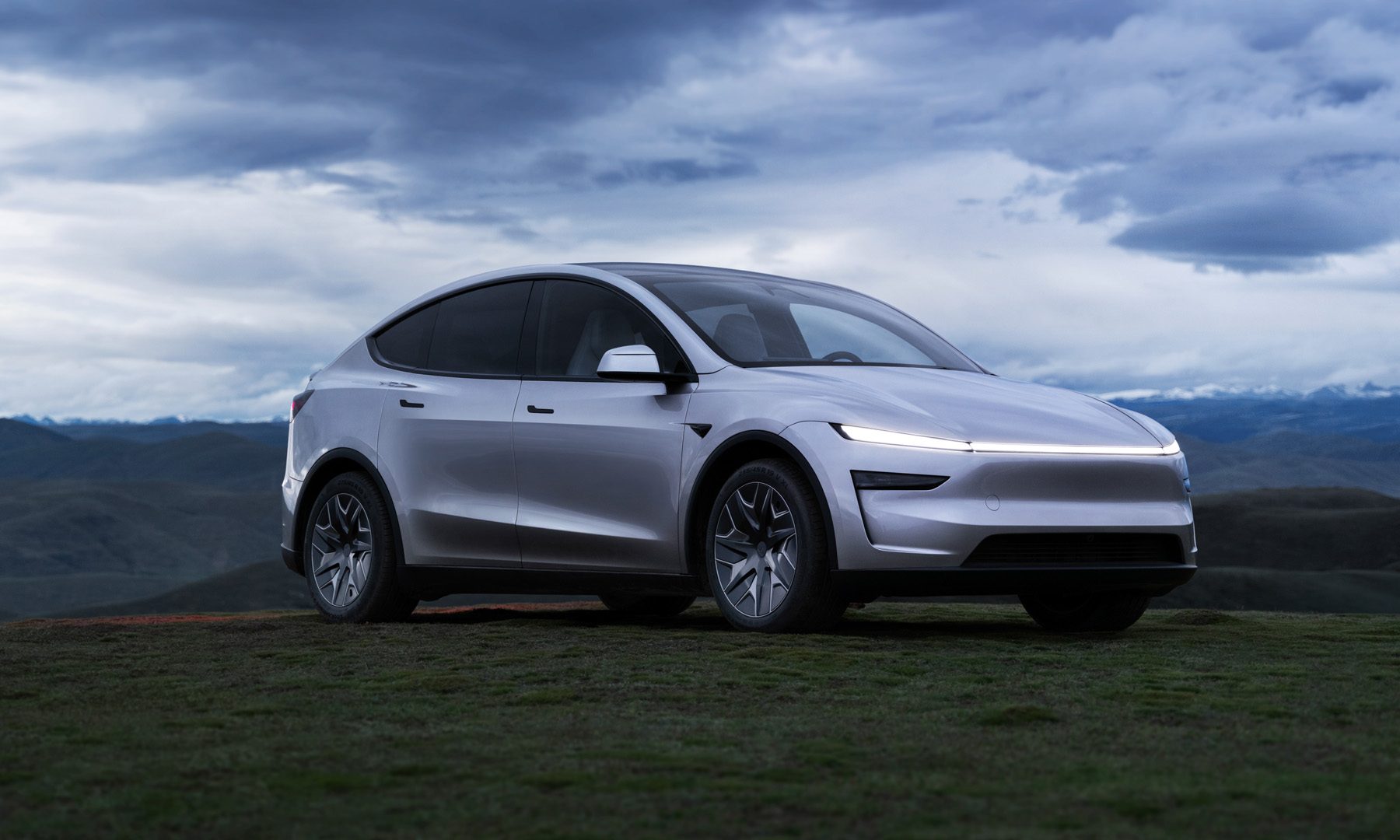
Tesla is giving the Model Y a little more breathing room. The company has officially launched the Model Y Long Wheelbase in the United States and Puerto Rico, introducing a stretched version of its best-selling electric SUV with a three-row, six-seat layout that's designed to make family road trips a lot more comfortable.

A bigger Model Y with a focus on comfort

Read more
A stolen Kia reveals the hidden limits of connected car technology
Kia can see where your stolen car is. GDPR means it won't share that in real time. That is the entire problem.
Kia EV3 design

If you’re buying a car with connected car technology, thinking it would help you to recover it in the event of theft, you might want to recalibrate your expectations. 

A recent incident in the UK, in which a car owner had three tracking devices installed in his car and still couldn’t recover it, led the carmaker to state that connected-car technology isn’t a “certified security vehicle tracker” (via the BBC).

Read more
Cambrige experts find utterly simple fix for longer lasting EV batteries. Just put some pressure on it.
Scientists found a way to make EV batteries last longer without reinventing the battery
EV Charging

EV battery breakthroughs typically involve new chemistry, exotic materials, or faster charging/higher capacity. But a new study reveals that you can skip all the fancy stuff and go with a very simple solution, Researchers from the University of Cambridge found that putting the battery under the right amount of pressure actually helps.

The study was about how physical pressure affects lithium-ion battery life, which found that keeping cells under constant pressure could double their lifespan. The work was published in Nature Energy, and the team says the improvement came without changing the active materials, electrolyte, or basic battery chemistry.

Read more