  1. Home
  2. Computing
  3. News

Apple wants to build giant ‘spaceship’ campus in Cupertino

Add as a preferred source on Google
Apple Spaceship Campus
Image used with permission by copyright holder

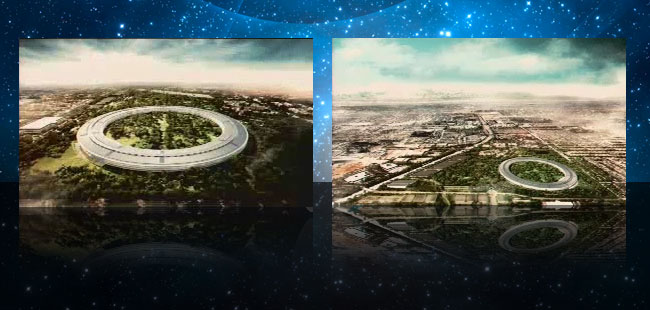
Following his widely-publicized keynote address at the Worldwide Developers Conference on Monday, Apple CEO Steve Jobs gave another presentation this week, this time at a Cupertino, California, city counsel meeting, reports TechCrunch. There, the celebrity chief executive pitched plans to build a massive new Apple campus that Jobs says resembles a “spaceship.”

“Apple is growing like a weed,” Jobs told the panel. And because of this, the company has far outgrown its original campus on 1 Infinite Loop. To solve their space problem, Jobs proposes the construction of a striking circular building that is capable of providing work space to 12,000 Apple employees. Jobs says that Apple has hired “some great architects … some of the best in the world” to design the building, which will be relatively short, and mostly covered in giant panes of curved glass (something Jobs says they’ve learned how to make through the construction of the company’s retail operations).

The site of the additional planned campus is 150-acre lot, 100 of which Apple purchased from Hewlett Packard in 2010. The land is currently used primarily for apricot orchards, but also has a lot of ugly parking lots, says Jobs. About 20 percent of the land is landscaped. But because Apple plans to put the most of the parking lots required by 12,000 people underground, the property will be 80 percent landscaped, with about 6,000 trees.

Recommended Videos

Rather than use publicly available electricity, the new Apple campus will be powered by its own electricity plant, and use the standard electrical grid for backup power, in the event of an outage.

Jobs also revealed that Apple plans to increase its workforce from about 9,500 employees to 13,000 employees by 2015, the year Apple hopes to complete construction of the new building.

Watch Jobs pitch the awe-struck Cupertino city counsel here:

Andrew Couts
Features Editor for Digital Trends, Andrew Couts covers a wide swath of consumer technology topics, with particular focus on…
Brave’s new Container feature is a lifesaver for anyone juggling multiple accounts
With this feature, you won't need to open three different browsers
Brave browser 3D logo

Brave has added Containers to its desktop browser, giving users a built-in way to keep different accounts, sessions, and browsing activity separate. The feature is available in Brave 1.92 for Windows, macOS, and Linux, and is rolling out in phases over the next few days.

Containers have been a highly requested feature, especially for users who regularly switch between work, personal, developer, or creator accounts. Once enabled, they let users open tabs in separate spaces where cookies and site storage are not shared outside that container.

Read more
Intel may bring back older desktop CPUs because DDR5 is getting too expensive
Older Intel Core CPUs from 10th to 14th Gen may get a second life
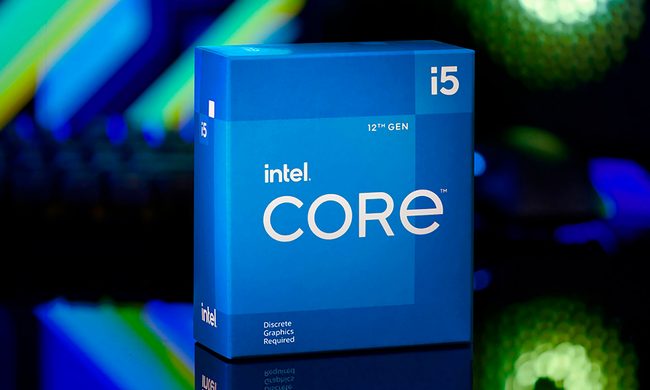
Intel Core i5-12400F box sitting in front of a gaming PC.

Intel may be preparing an unusual response to the ongoing memory crunch. According to Chinese outlet ITHome, citing ChannelGate, the company’s latest production plan includes restarting production of 13th-gen and 14th-gen Core processors.

The move is expected to increase supply across Intel’s 10th, 12th, 13th, and 14th Gen CPU families, especially in mainland China. For DIY PC builders, the timing is important. DDR5 memory prices have climbed sharply, making newer platforms harder to justify for anyone trying to build an affordable gaming PC.

Read more
Amazon wants to design in-house chips for Kindles, Fire TV, and Echo speakers
Apple did it first. Amazon is doing it now, starting with 40 million chips a year and a partner most people have never heard of.
Amazon Kindle Scribe dark mode featured image.

Apple's decision to design its own chips reshaped the consumer electronics industry. Amazon may be about to make the same call, just about two decades later.

Supply chain analyst Ming-Chi Kuo reports that Amazon is preparing to shift away from externally sourced processors for its consumer electronics lineup, marking what he describes as the company's first major processor procurement change in 20 years. The transition is expected to begin in 2027.

Read more