  1. Home
  2. Cars
  3. News

A silent Porsche? Brand may build battery-electric model, hydrogen fuel cell vehicle

Add as a preferred source on Google

Last year, reports circled that Porsche was planning an all-electric version of the upcoming Pajun sedan. It appears that those claims weren’t just a pipe dream, as a Volkswagen Group executive has again teased the concept of a silent Porsche.

But don’t worry, purists. Your 911s and Caymans are safe.

Recommended Videos

Dr. Ulrich Hackenberg, the Research and Development Chief for Audi, recently displayed the following graphic at VW Group’s annual conference. The image comes courtesy of Autocar.

As you can see, there are spots reserved for a BEV (Battery Electric Vehicle) and an FCEV (Fuel Cell Electric Vehicle) in the Porsche row. They could be placeholders with no real implications, but that’s doubtful. More likely is that they signify a new endeavor for the brand.

Porsche currently has three hybrid vehicles: the Porsche 918 Spyder (pictured), Cayenne S E-Hybrid, and the Panamera S E-Hybrid. EVs and FCVs, however, are a whole new ball game.

Given Porsche’s relationship with Audi (fresh off the debut of the R8 e-tron) and Volkswagen (who is currently developing a hydrogen car), Stuttgart will have a bevy of technology from which to choose. The brand has also flirted with electric technology before with the Boxter E prototype.

The Pajun is expected to show up around 2019, and would effectively be a smaller version of the current Panamera. Gas and diesel versions will reportedly be available as well, with the electric version taking the Tesla Model S head on.

Dr. Hackenberg also used the conference to detail the new technologies that will be available on the next Audi A8. The features will include various sensors and other pieces of autonomous gadgetry. He expects ‘piloted driving’ version of smaller cars (like the Golf) to be ready for the road around 2020.

Andrew Hard
Andrew first started writing in middle school and hasn't put the pen down since. Whether it's technology, music, sports, or…
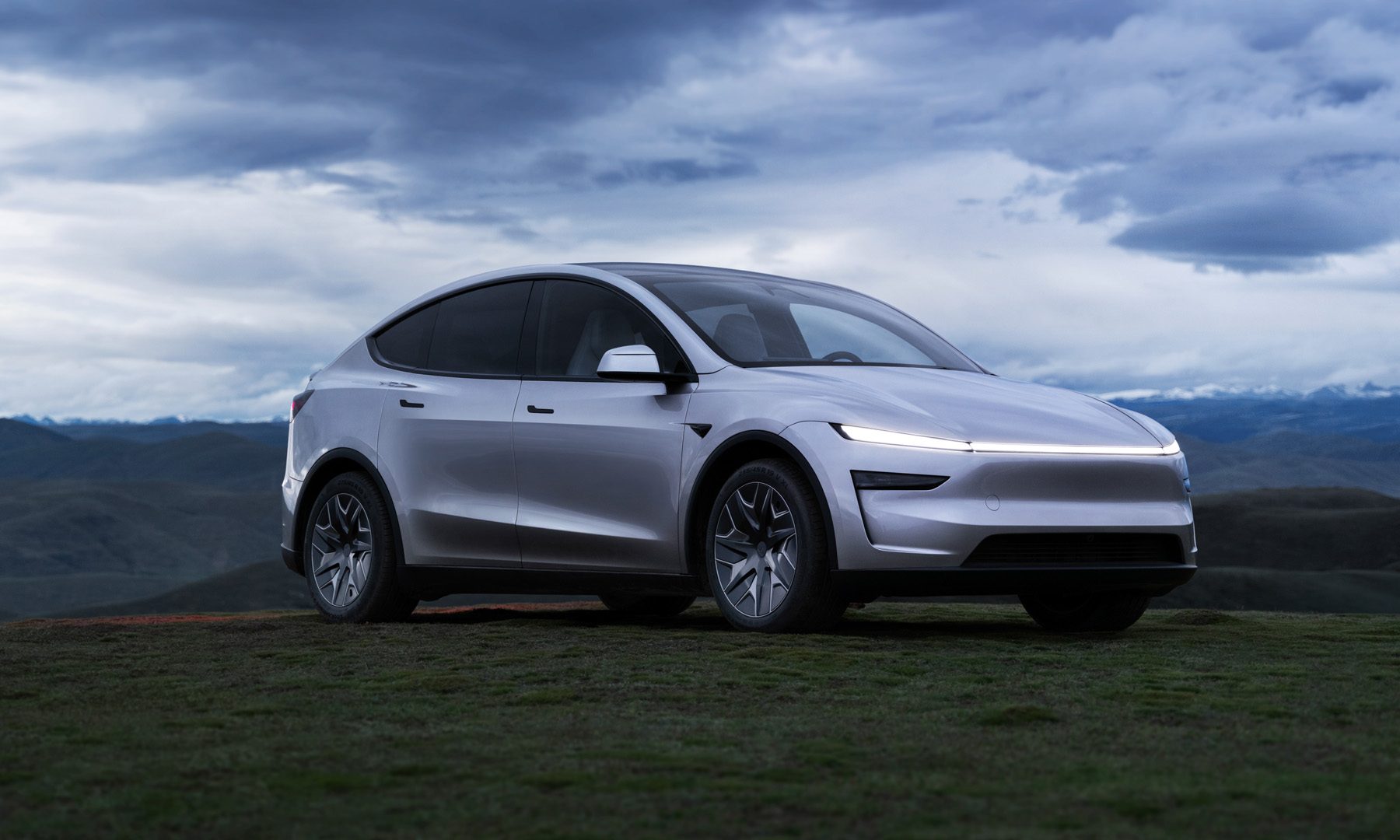
Tesla launches the six-seat Model Y Long Wheelbase in the US
The stretched electric SUV brings more space, more comfort, and up to 325 miles of range.
Tesla Model Y Long Wheelbase Featured

Tesla is giving the Model Y a little more breathing room. The company has officially launched the Model Y Long Wheelbase in the United States and Puerto Rico, introducing a stretched version of its best-selling electric SUV with a three-row, six-seat layout that's designed to make family road trips a lot more comfortable.

A bigger Model Y with a focus on comfort

Read more
A stolen Kia reveals the hidden limits of connected car technology
Kia can see where your stolen car is. GDPR means it won't share that in real time. That is the entire problem.
Kia EV3 design

If you’re buying a car with connected car technology, thinking it would help you to recover it in the event of theft, you might want to recalibrate your expectations. 

A recent incident in the UK, in which a car owner had three tracking devices installed in his car and still couldn’t recover it, led the carmaker to state that connected-car technology isn’t a “certified security vehicle tracker” (via the BBC).

Read more
Cambrige experts find utterly simple fix for longer lasting EV batteries. Just put some pressure on it.
Scientists found a way to make EV batteries last longer without reinventing the battery
EV Charging

EV battery breakthroughs typically involve new chemistry, exotic materials, or faster charging/higher capacity. But a new study reveals that you can skip all the fancy stuff and go with a very simple solution, Researchers from the University of Cambridge found that putting the battery under the right amount of pressure actually helps.

The study was about how physical pressure affects lithium-ion battery life, which found that keeping cells under constant pressure could double their lifespan. The work was published in Nature Energy, and the team says the improvement came without changing the active materials, electrolyte, or basic battery chemistry.

Read more