  1. Home
  2. Cars
  3. Legacy Archives

Electric version of Porsche’s ‘Pajun’ sedan could take on the Tesla Model S

Add as a preferred source on Google

Porsche’s long-rumored “Pajun” midsize sedan is expected to take on the BMW 5 Series, but Porsche may have another rival in mind.

According to Autocar, the engineers in Zuffenhausen are planning an all-electric version of the Pajun, which would go head-to-head with the Tesla Model S.

Recommended Videos

The electric powertrain would be offered alongside gasoline and diesel engines on this new model, would serve as a baby brother to the Panamera (hence the name Pajun, short for “Panamera Junior”), but since the car isn’t supposed to debut until 2019, details are scarce.

Porsche would reportedly share battery development work with Audi, which is reportedly planning to (finally) launch the R8 e-tron electric car, as well as an electric version of the upcoming Q8 SUV.

Porsche itself is no stranger to electric cars, building three Boxster E prototypes as forerunners to an electric sports-car program that appears to be on hiatus.

There are a couple of good reasons why Porsche’s electric-car plans shouldn’t stop there.

Related: 2015 Porsche 911 Carrera GTS revealed

These days, many luxury carmakers are looking to increase efficiency because of high fuel prices and stricter emissions standards – just look at all of the hybrids and diesels already in Porsche’s lineup.

However, Porsche’s plan to build an electric sedan could be as much about competition as it is about compliance.

The Tesla Model S has received copious praise from the automotive media and customers, so maybe Porsche wants to beat Tesla at its own game.

Some carmakers have discussed building Model S-rivalling electric cars, but none have committed yet. The low sales volumes of such a car, and the still-underdeveloped network of charging stations may be keeping them away.

Porsche isn’t shy about building low-volume models though – witness the 918 Spyder and myriad 911 models – so maybe it will be able to build an electric sports sedan even if the business case isn’t totally solid.

Development of the Pajun is still in its very early stages, but 2019 could turn out to be an interesting year for electric-car buyers.

Stephen Edelstein
Stephen is a freelance automotive journalist covering all things cars. He likes anything with four wheels, from classic cars…
Topics
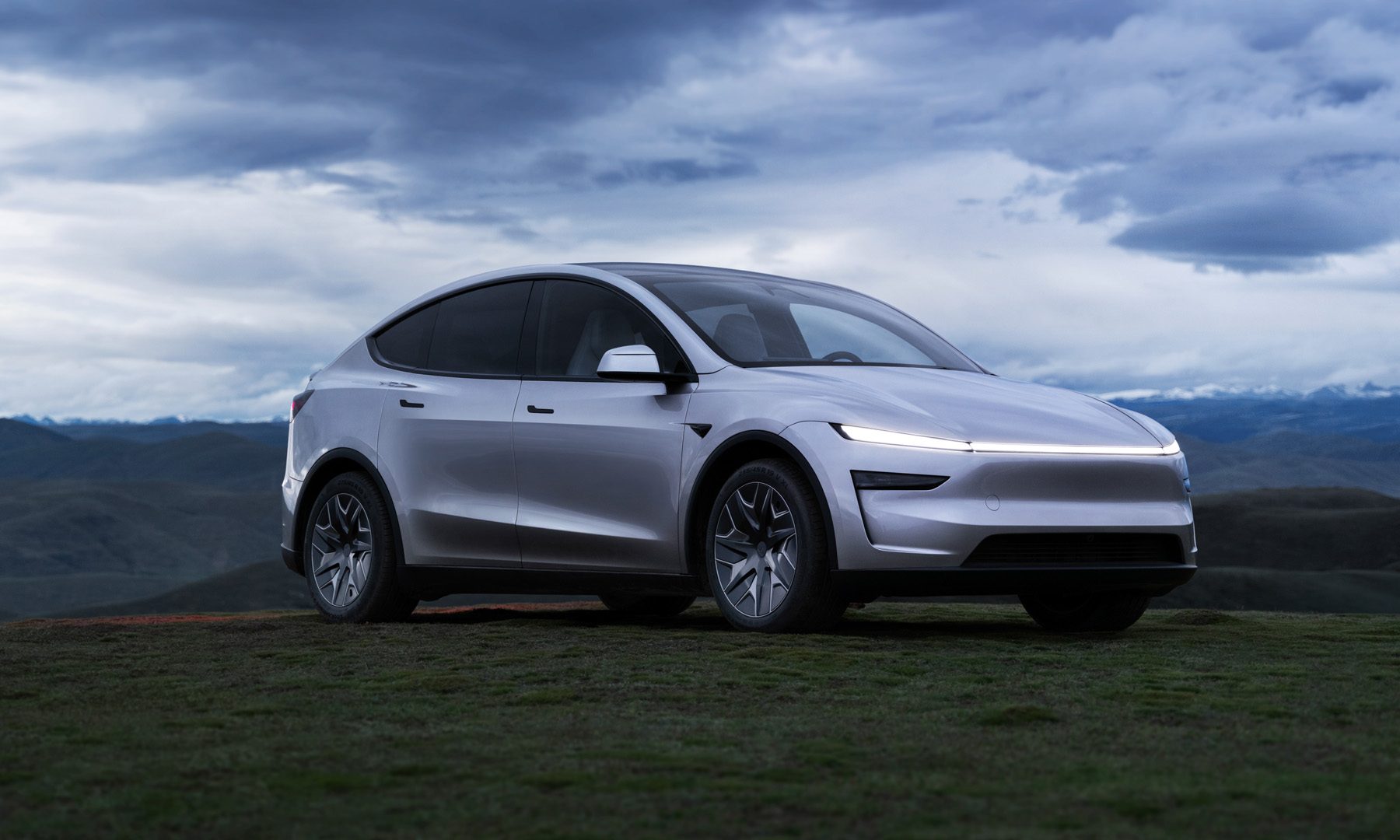
Tesla launches the six-seat Model Y Long Wheelbase in the US
The stretched electric SUV brings more space, more comfort, and up to 325 miles of range.
Tesla Model Y Long Wheelbase Featured

Tesla is giving the Model Y a little more breathing room. The company has officially launched the Model Y Long Wheelbase in the United States and Puerto Rico, introducing a stretched version of its best-selling electric SUV with a three-row, six-seat layout that's designed to make family road trips a lot more comfortable.

A bigger Model Y with a focus on comfort

Read more
A stolen Kia reveals the hidden limits of connected car technology
Kia can see where your stolen car is. GDPR means it won't share that in real time. That is the entire problem.
Kia EV3 design

If you’re buying a car with connected car technology, thinking it would help you to recover it in the event of theft, you might want to recalibrate your expectations. 

A recent incident in the UK, in which a car owner had three tracking devices installed in his car and still couldn’t recover it, led the carmaker to state that connected-car technology isn’t a “certified security vehicle tracker” (via the BBC).

Read more
Cambrige experts find utterly simple fix for longer lasting EV batteries. Just put some pressure on it.
Scientists found a way to make EV batteries last longer without reinventing the battery
EV Charging

EV battery breakthroughs typically involve new chemistry, exotic materials, or faster charging/higher capacity. But a new study reveals that you can skip all the fancy stuff and go with a very simple solution, Researchers from the University of Cambridge found that putting the battery under the right amount of pressure actually helps.

The study was about how physical pressure affects lithium-ion battery life, which found that keeping cells under constant pressure could double their lifespan. The work was published in Nature Energy, and the team says the improvement came without changing the active materials, electrolyte, or basic battery chemistry.

Read more