  1. Home
  2. Cars
  3. Photo Galleries
  4. Legacy Archives

VW looks towards the future with hydrogen-powered Golf, Passat

Add as a preferred source on Google

Volkswagen has traveled to the annual Los Angeles Motor Show to introduce the hydrogen-powered Golf SportWagen HyMotion, the first MQB-based vehicle equipped with a fuel cell.

Designed to preview a production-bound model, the Golf SportWagen HyMotion is powered by a 136-horsepower drivetrain that allows it to reach 62 mph from a stop in about 10 seconds while emitting only water vapor. The energy generated by the hydrogen-powered fuel cell is used to power an electric motor that is sourced from the all-electric e-Golf. Additionally, a high-voltage lithium-ion battery pack mounted under the floor stores the kinetic energy that is generated during braking and dispenses it when extra power is needed such as under heavy acceleration.

The four carbon fiber hydrogen tanks can be topped up in about three minutes. Providing a driving range of about 310 miles, they are located under the passenger compartment which allows the HyMotion to offer the same amount of passenger and trunk space as a standard gasoline- or diesel-powered Golf Variant.

Drivetrain aside, the Golf SportWagen HyMotion is essentially identical to the Golf Variant that is sold across Europe. The wagon is expected to replace the Jetta SportWagen in the United States in time for the 2016 model year.

In addition to the Golf SportWagen HyMotion, Volkswagen is currently testing a hydrogen-burning variant of the Passat that is equipped with the same drivetrain detailed above, and sister company Audi is experimenting with a hydrogen-powered A7. The automaker has not announced when its first full-production fuel cell vehicle is scheduled to hit the market but it has explained the world’s hydrogen infrastructure will need to be drastically improved before the project is given the green light for production.

Ronan Glon
Ronan Glon is an American automotive and tech journalist based in southern France. As a long-time contributor to Digital…
Tesla launches the six-seat Model Y Long Wheelbase in the US
The stretched electric SUV brings more space, more comfort, and up to 325 miles of range.
Tesla Model Y Long Wheelbase Featured

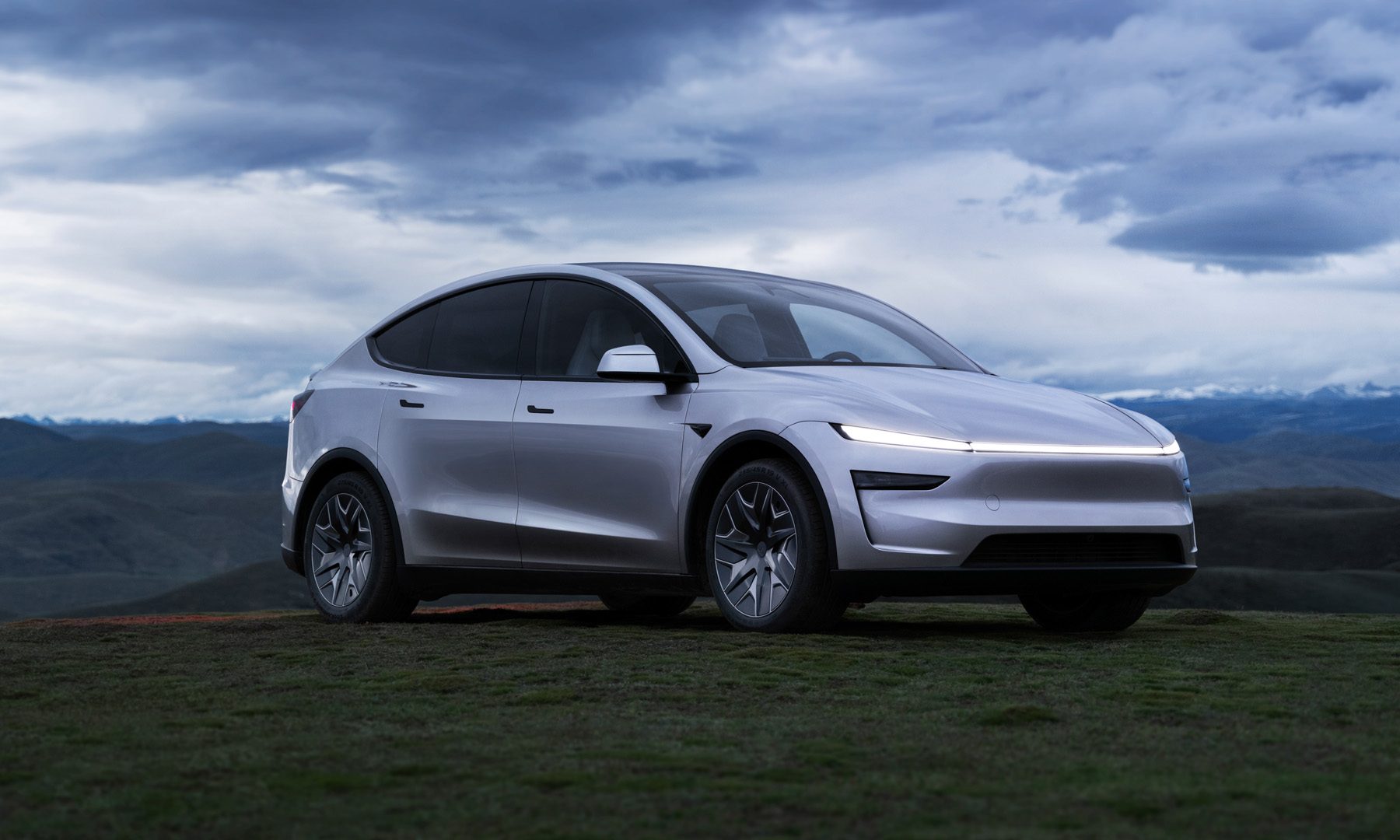
Tesla is giving the Model Y a little more breathing room. The company has officially launched the Model Y Long Wheelbase in the United States and Puerto Rico, introducing a stretched version of its best-selling electric SUV with a three-row, six-seat layout that's designed to make family road trips a lot more comfortable.

A bigger Model Y with a focus on comfort

Read more
A stolen Kia reveals the hidden limits of connected car technology
Kia can see where your stolen car is. GDPR means it won't share that in real time. That is the entire problem.
Kia EV3 design

If you’re buying a car with connected car technology, thinking it would help you to recover it in the event of theft, you might want to recalibrate your expectations. 

A recent incident in the UK, in which a car owner had three tracking devices installed in his car and still couldn’t recover it, led the carmaker to state that connected-car technology isn’t a “certified security vehicle tracker” (via the BBC).

Read more
Cambrige experts find utterly simple fix for longer lasting EV batteries. Just put some pressure on it.
Scientists found a way to make EV batteries last longer without reinventing the battery
EV Charging

EV battery breakthroughs typically involve new chemistry, exotic materials, or faster charging/higher capacity. But a new study reveals that you can skip all the fancy stuff and go with a very simple solution, Researchers from the University of Cambridge found that putting the battery under the right amount of pressure actually helps.

The study was about how physical pressure affects lithium-ion battery life, which found that keeping cells under constant pressure could double their lifespan. The work was published in Nature Energy, and the team says the improvement came without changing the active materials, electrolyte, or basic battery chemistry.

Read more