  1. Home
  2. Cars
  3. News

Tesla wants graffiti artists to gussy up Giga Berlin

Add as a preferred source on Google

Tesla chief Elon Musk suggested in February that he wanted to fill the company’s new Gigafactory in Berlin with graffiti art.

Many thought he was joking, but this week the billionaire entrepreneur retweeted a Tesla post asking for interested graffiti artists to get in touch.

Recommended Videos

“If you want to help cover Giga Berlin in awesome graffiti art, send us your work at GigaBerlinArt@Tesla.com,” the message said.

If you want to help cover Giga Berlin in awesome graffiti art, send us your work at GigaBerlinArt@Tesla.com

— Tesla (@Tesla) May 26, 2021

Despite run-ins with environmental protesters over the past year or so, construction work has been progressing steadily at Tesla’s site around 20 miles (32 km) southeast of the German capital.

However, on a visit to the site earlier this month, Musk said that issues around approval processes meant the plant, which will manufacture batteries, battery packs, and powertrains for Tesla’s electric vehicles and also assemble its Model Y vehicle, looks likely to miss its targeted summer opening date, with operations now expected to begin toward the end of this year.

In comments reported by Reuters, Musk told reporters that he blamed red tape for the delay, saying, “I think there could be less bureaucracy; that would be better.”

The Tesla boss continued: “There should be some kind of active process for removal of rules. Otherwise, over time, the rules will just accumulate and you get more and more rules until eventually you can’t do anything.”

Reuters noted that Germany “is known for its complex regulation and bureaucracy,” something that Musk and Tesla are evidently now getting a taste of.

Giga Berlin pic.twitter.com/UXQMUVTWXf

— Elon Musk (@elonmusk) July 15, 2020

Still, having those extra months of preparation means the company can take its time seeking out talented graffiti artists to help it add a splash of color to the facility.

And that’s not the only thing that’s set to make Giga Berlin strikingly different from your average manufacturing plant. In a Twitter poll posted by Musk last year, he asked his more than 50 million followers if they’d like to see the facility include a “mega rave cave” built beneath the facility or possibly on the roof. More than 90% of the 773,000 respondents approved of the plan. It’s not currently clear if Tesla is going ahead with the idea.

Trevor Mogg
Contributing Editor
Not so many moons ago, Trevor moved from one tea-loving island nation that drives on the left (Britain) to another (Japan)…
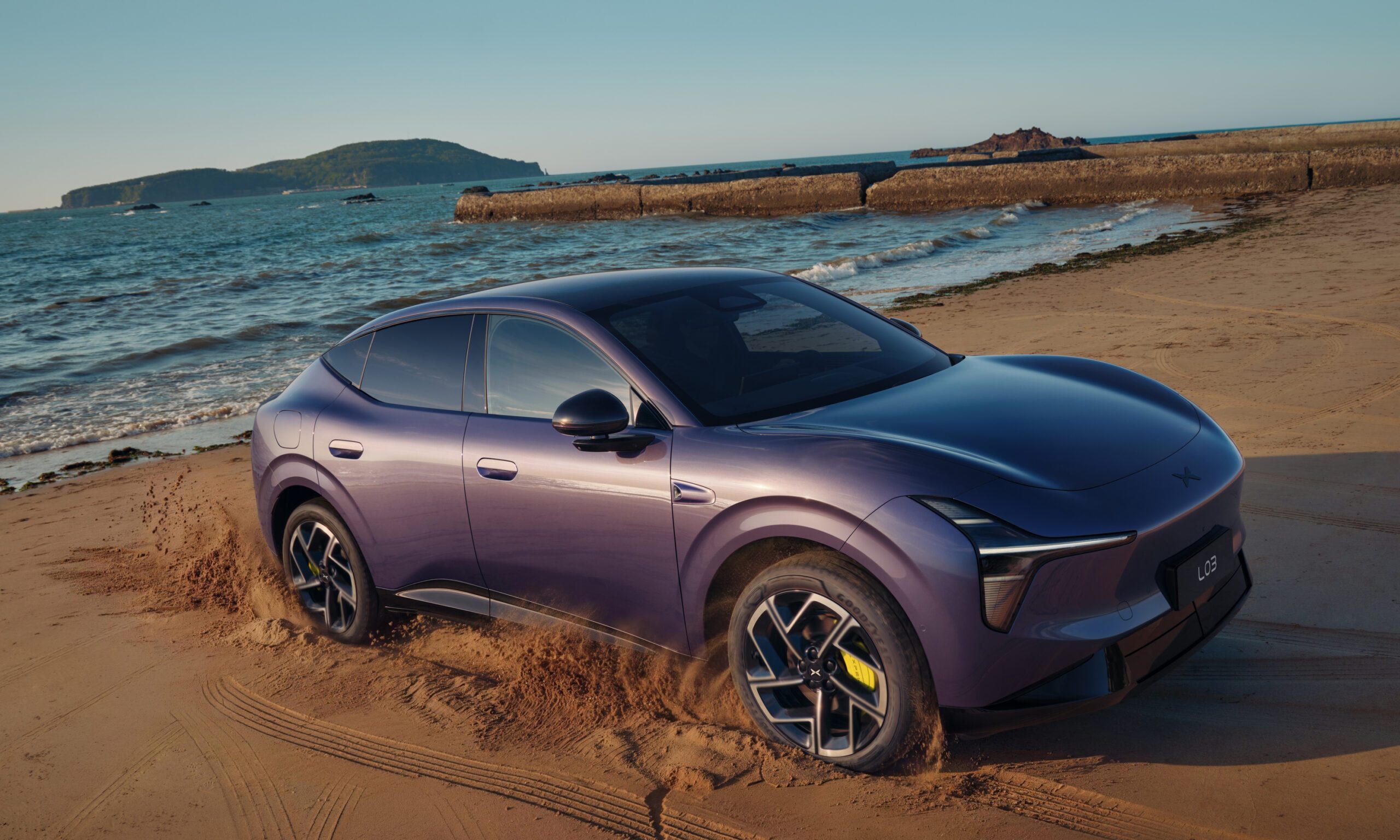
This sleek Chinese EV pairs supercar styling with three AI brains
The Xpeng L03 is an AI supercomputer disguised as a stylish family SUV
Xpeng L03

Xpeng’s latest electric vehicle carries enough processing power to make the term "smart car" actually sound more realistic than it actually is. The new Xpeng L03 debuted simultaneously in Europe and China on July 16, with the company presenting it across 65 markets. Available as a fully electric vehicle and an L03 Power X range-extender, the coupe-SUV is Xpeng’s most internationally focused model so far. Market-specific prices and sales dates remain unannounced.

Three AI chips and Google Maps built right in

Read more
A new sodium battery posts wild four-minute charging numbers, but don’t expect it in an EV yet
The breakthrough could improve fast charging and battery life, but the study hasn’t demonstrated those results in a production-sized pack
EV Charger

A new sodium-metal battery has posted a charging number that makes today’s EVs look painfully slow. In laboratory testing, the cell operated at a 15C rate, equivalent to completing a charge or discharge in roughly four minutes.

That doesn’t mean researchers plugged in an electric car and watched it fill up before the driver finished buying coffee. The result came from a small experimental cell using a new quasi-solid electrolyte, while the larger pouch-cell prototype delivered far less dramatic performance.

Read more
The Apple Car may be dead, but it became the foundation of Apple Intelligence
A decade of work on a canceled car project reportedly laid the groundwork for Apple Intelligence.
Apple Intelligence in Apple Car

The Apple Car may have never left the garage, but it apparently gave birth to Apple's AI ambitions. According to Bloomberg's Mark Gurman, Apple's canceled autonomous vehicle project, one that consumed more than a decade of work and over $10 billion before being scrapped in 2024, ended up laying the technological foundation for Apple Intelligence. In a rather ironic twist, one of Apple's most expensive failures may also become one of its most important long-term investments.

The Apple Car forced Apple to think like an AI company

Read more