  1. Home
  2. Computing
  3. Legacy Archives

Amazon brings Kindle to the Web

Add as a preferred source on Google

Amazon.com is expanding the reach of its Kindle ecosystem still further, announcing a new Kindle for the Web service that enables users to sample Kindle titles without having to install any special software or own a Kindle-compatible device: the Kindle title loads right in a Web browser, and Kindle titles can be embedded directly into Web sites.

Image used with permission by copyright holder

“With Kindle for the Web, it’s easier than ever for customers to sample Kindle books—there’s no downloading or installation required,” said Amazon Kindle director Dorothy Nicholls, in a statement. “Kindle for the Web is also a great way for bloggers and authors to promote books on their Web sites by letting visitors read a chapter without leaving their site.”

Recommended Videos

The Kindle for Web service enables users to change the display size, line spacing, and background color of material displayed in the fewer, as well as easily share links to Kindle titles via email and services like Facebook and Twitter.

Kindle for the Web is being billed as a beta release, and Amazon is promoting it heavily to Web site owners who are members of the Amazon Associates Program and who are trying to sell books to their visitors via Amazon: using Kindle for the Web, Amazon Associates can embed the first chapter of a book directly in their site, and then hand customers off to Amazon if they make a decision to buy. Selected Amazon book pages will also have a “Read first chapter free” feature that will tap into Kindle for the Web.

Geoff Duncan
Former Contributor
Geoff Duncan writes, programs, edits, plays music, and delights in making software misbehave. He's probably the only member…
Topics
Google Earth’s AI misadventure lasted only a day. It was a tale of dangerous ignorance.
Nuclear reactors, tanks, and historical destruction on a life-like satellite map? Yeah, that's bad.
Nano Banana AI image generator representation.

Technology behemoths are clearly not reading the room, or they are just moving faster than they should when it comes to AI deployment. Google has already stuffed its Gemini AI in every corner of its software stack, from Android to daily productivity tools like Gmail that are used by hundreds of millions of users every day. AI is everywhere. Not all of it is bad, mind you. But in a few places, it just feels forced.

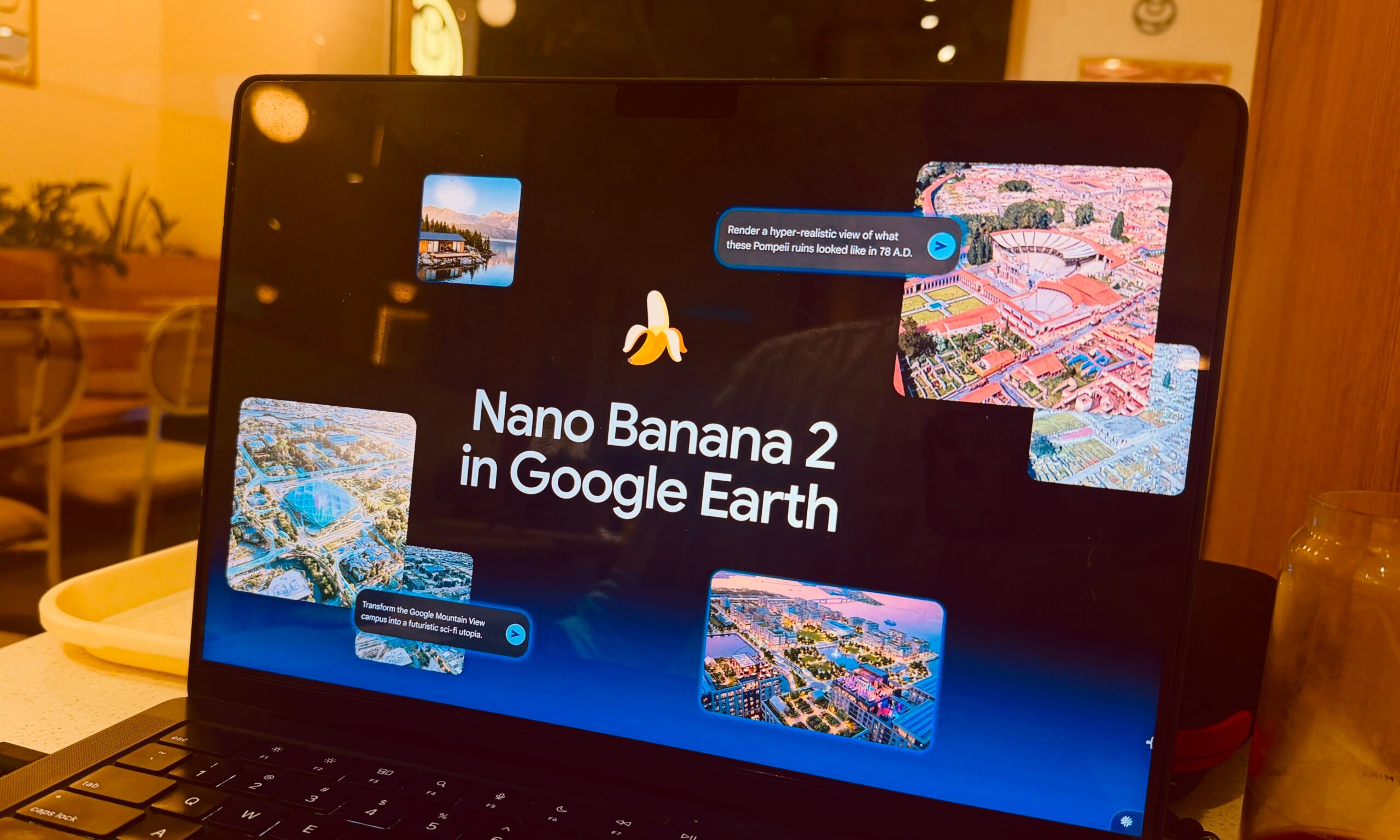
In its latest AI-fication experiment, the company targeted Google Earth. The idea was to let the audience use its Nano Banana 2 AI image generator and make images that can be placed on the map view. On paper, it's a cool idea. What would the Colosseum of Rome look like in your urban neighborhood? Yeah, fun stuff like that.

Read more
AMD is apparently gearing up to raise GPU prices right after Nvidia’s steep hike
AMD has reportedly told AIB partners about a price hike that goes into effect in. August.
AMD RX 7800

AMD is next in line to raise the asking price of its Radeon GPUs, merely days after the news of a similar hike coming for Nvidia graphics cards started making waves. As per ChannelGate on Weibo (h/t VideoCardz), AMD has informed its board partners that the price of GPU and memory bundles will go up by at least 10% in August.

Is a similar price hike coming for standalone graphics cards? I won't be surprised if that happens. The situation is so bad that AMD is planning to bring back graphics cards with 4GB of onboard memory. AMD just introduced the RX 9050 GPU, which costs $279. Notably, it's just $20 less than the RX 9060 XT that offers double the graphics memory.

Read more
Microsoft will make Windows work well with just 8GB RAM. We desperately need it
The dream of a reliable and affordable Windows laptop hinges on the next milestone at Microsoft.
Surface laptop on wooden table

The year 2026 has marked a huge course correction for Microsoft after years of frustrating users with plenty of confusing processes, unoptimized UI elements, and just the generous bloatware that can bring any Windows system to a crawl. Microsoft has finally shifted into a new phase. From fixing the right-click behavior to speeding up the Search system, the company has fixed plenty of papercuts.

The next major milestone is making Windows 11 run smoothly on Windows PCs with just 8GB of RAM. That directly means entry-level and budget laptops will at least get the basics right, even if that means sacrificing the on-device AI bells and whistles. Let's face it. The increasingly AI-first approach to computing on a Windows 11 machine is a little too taxing on the hardware at hand.

Read more