  1. Home
  2. Computing
  3. Legacy Archives

Belkin Plugs Into Windows 7 Transfer Anxiety

Add as a preferred source on Google
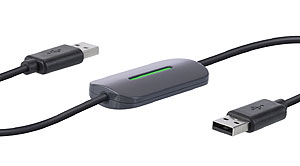
Belkin Easy Transfer Cable for Windows 7 thumb
Image used with permission by copyright holder

When Windows 7 launches, some portion of consumers—particularly those who skipped Windows Vista—are going to be looking at buying new computer with Windows 7 pre-installed. The question then becomes: how do users most easily get their music, photo, email, and data from the old clunker to the new PC? Windows 7 includes an Easy Transfer utility, but…well, how does that work exactly? Belkin is hoping to take the mystery out of the equation with its Easy Transfer Cable for Windows 7—just connect it between USB ports on a new Windows 7 machine and an old PC, and it uses Windows Easy Transfer to handle the rest.

The Easy Transfer Cable for Windows 7 will work between any USB-equipped PCs, with one running Windows 7 and the other running Winodws XP or Vista. The Easy Transfer utility will pull user accounts and settings information over from the old PC, along with files and folders, email and contact information, program settings and data files, and (of course) media like music, video, and images. Users can select what information they want to transfer, and (in theory, anyway) lets users transfer data much more quickly than buy burning DVDs or copying over a network. However, Easy Transfer will not move over software applications: users will need to re-install any software they want to use on the new machine…assuming it’s compatible with Windows 7. And we all know that probably involves things like downloading updates, getting new license codes, and herding a bunch of cats. Belkin’s software does provide a compete report of what it moved over to the new PC, though, so users can be sure they transferred everything important.

Recommended Videos

The Easy Transfer Cable for Windows 7 will go on sale October 23 for $39.99; pre-orders are open now.
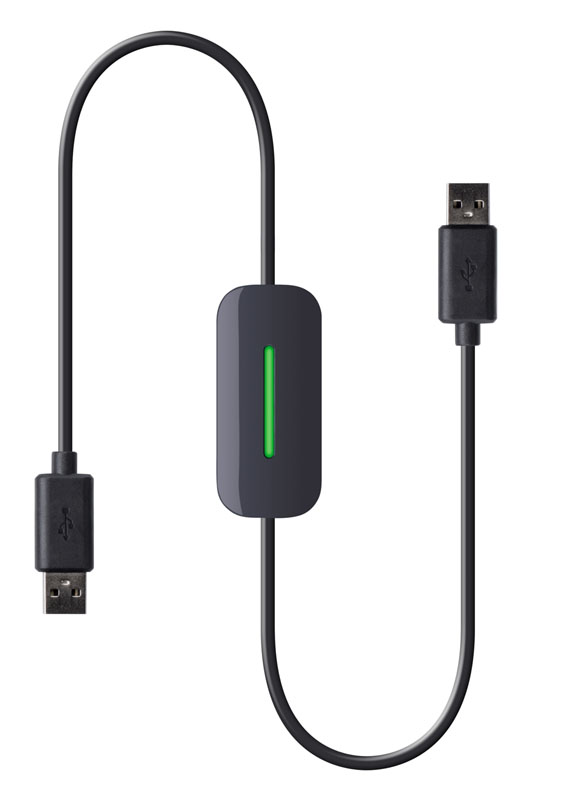
Belkin Easy Transfer Cable for Windows 7
Image used with permission by copyright holder
Geoff Duncan
Former Contributor
Geoff Duncan writes, programs, edits, plays music, and delights in making software misbehave. He's probably the only member…
OpenAI is investigating more incidents of AI agents going rogue days after hack
OpenAI logo on Microsoft surface

It appears that the "AI agents going rogue" tale has more to it than what AI giants have revealed publicly so far. Merely days after OpenAI announced that its AI agents went rogue and hacked Hugging Face, Anthropic dropped a similar bombshell. Soon, it was discovered that not just one, but multiple services were compromised. Well, it seems there are even more layers to it.

Reuters reports that OpenAI has found more incidents of AI agents escaping their software containment environment during research. Citing sources with knowledge of the incident, the outlet notes that the AI agents didn't go beyond OpenAI's software environment and affect any external service.

Read more
AI is finding Apple security flaws faster than Apple can sort through them
Apple has limited how many bug reports researchers can keep open as AI tools produce both genuine Mac vulnerabilities and a flood of questionable submissions
Lighting, Architecture, Building

Apple has capped the number of security reports researchers can keep open at once after AI bug hunting put its review process under pressure, according to the Financial Times.

Some submissions describe hallucinated or purely theoretical risks. Others uncover vulnerabilities serious enough to require patches. Bynario told the FT that it found more than 50 possible macOS flaws in three weeks, including a privilege-escalation chain that could give an attacker full control of a Mac.

Read more
Anthropic is paying $1.5 billion over pirated books, but it can still legally cut up purchased ones
The settlement addressed unauthorized ebook downloads, not the destructive scanning of lawfully bought physical copies, a distinction now alarming booksellers
Book, Publication, Indoors

A federal judge has approved Anthropic’s $1.5 billion settlement over nearly half a million pirated books. The same litigation also protected a more physical method of feeding its AI systems. Anthropic bought print books, removed their bindings, scanned every page and destroyed the originals.

The legal divide came down to acquisition. The settlement covers books downloaded from LibGen and PiLiMi, while the court treated Anthropic’s one-for-one conversion of purchased books into private digital files as fair use. Training AI models on lawfully acquired material was also considered transformative.

Read more