  1. Home
  2. Computing
  3. Audio / Video
  4. Legacy Archives

Cambridge Audio intros new Minx M5 sound system

Add as a preferred source on Google
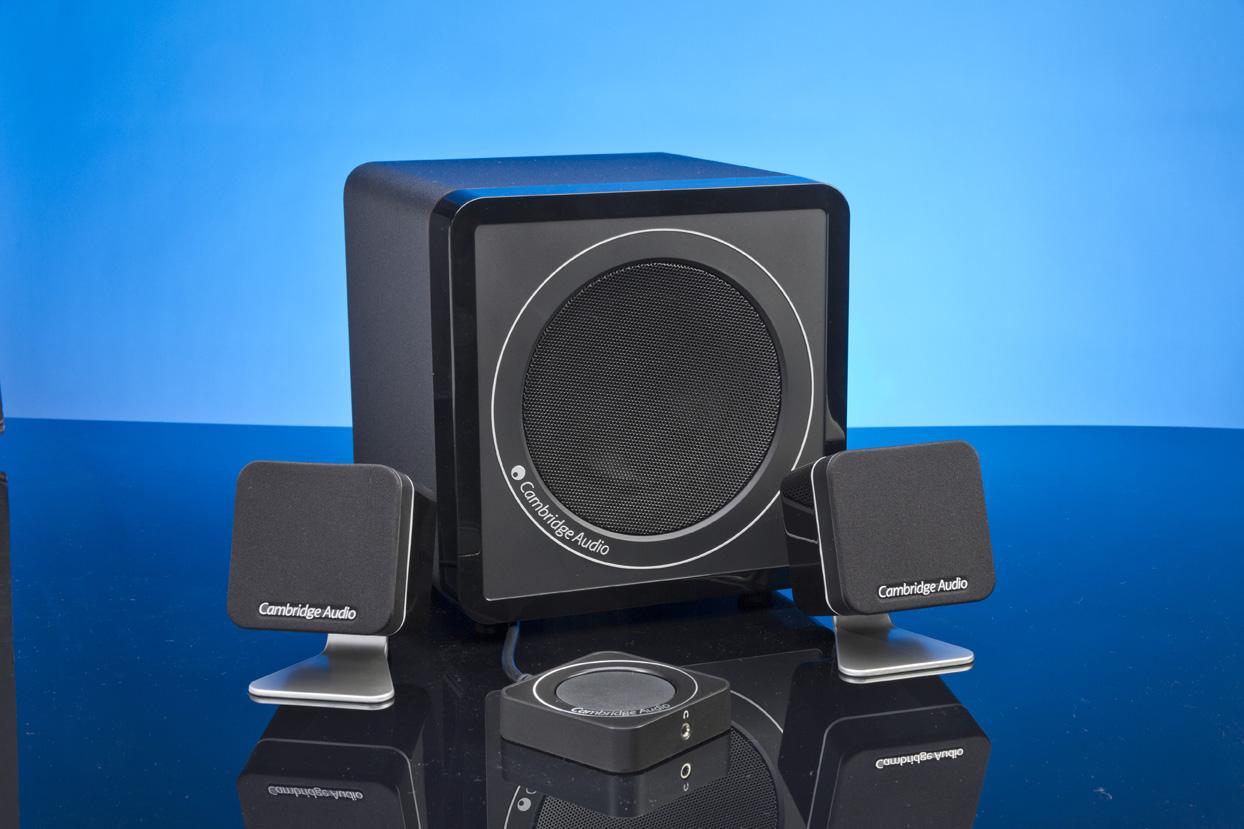
Minx M5 on blue background
Image used with permission by copyright holder

When it comes to so-called “computer speakers,” it’s hard to know which brands to trust. For whatever reason, it’s rare to see recognized audio manufacturers producing computer speakers. Rare exceptions would include Harman Kardon, Bose, and B&W, but there’s always room for one more seat at the table. Now, Cambridge Audio has come to the party with  a new 2.1 audio system called the Minx M5 which features a subwoofer and two satellite speakers with a desktop control hub.

The system has a USB audio input and its own digital-to-analog converter (DAC) that Cambridge Audio says can process digital audio “much purer” than a computer’s soundcard can. This is one of the system’s best features, the company says, particularly because it makes everything from streaming audio, video and video games sound better than they normally would.

Recommended Videos

Each satellite has a 2-inch driver powered by 15 watts. They’re also quite small, measuring no more than 3-inches in height, width or depth.

The subwoofer is small enough to be hidden from sight completely, measuring about 8-inches in height, width and depth. It includes an integrated digital amplifier that can pump out enough juice to fill a room with high-quality sound. The adjustable bass control lets users tune the Minx M5 based on the woofer’s location.

The desktop control hub takes care of power and volume adjustment, with a 3.5 mm auxiliary input for plugging in any audio playback device, plus a headphone jack for private listening. The system’s speaker stands and cables all come included in the box.

The Minx M5 is available now direct from Cambridge Audio and select retailers for $230.

Ted Kritsonis
A tech journalism vet, Ted covers has written for a number of publications in Canada and the U.S. Ted loves hockey, history…
This open-source Mac app finds the junk files your deleted apps leave behind
Uninstally removes apps properly, leftovers and all
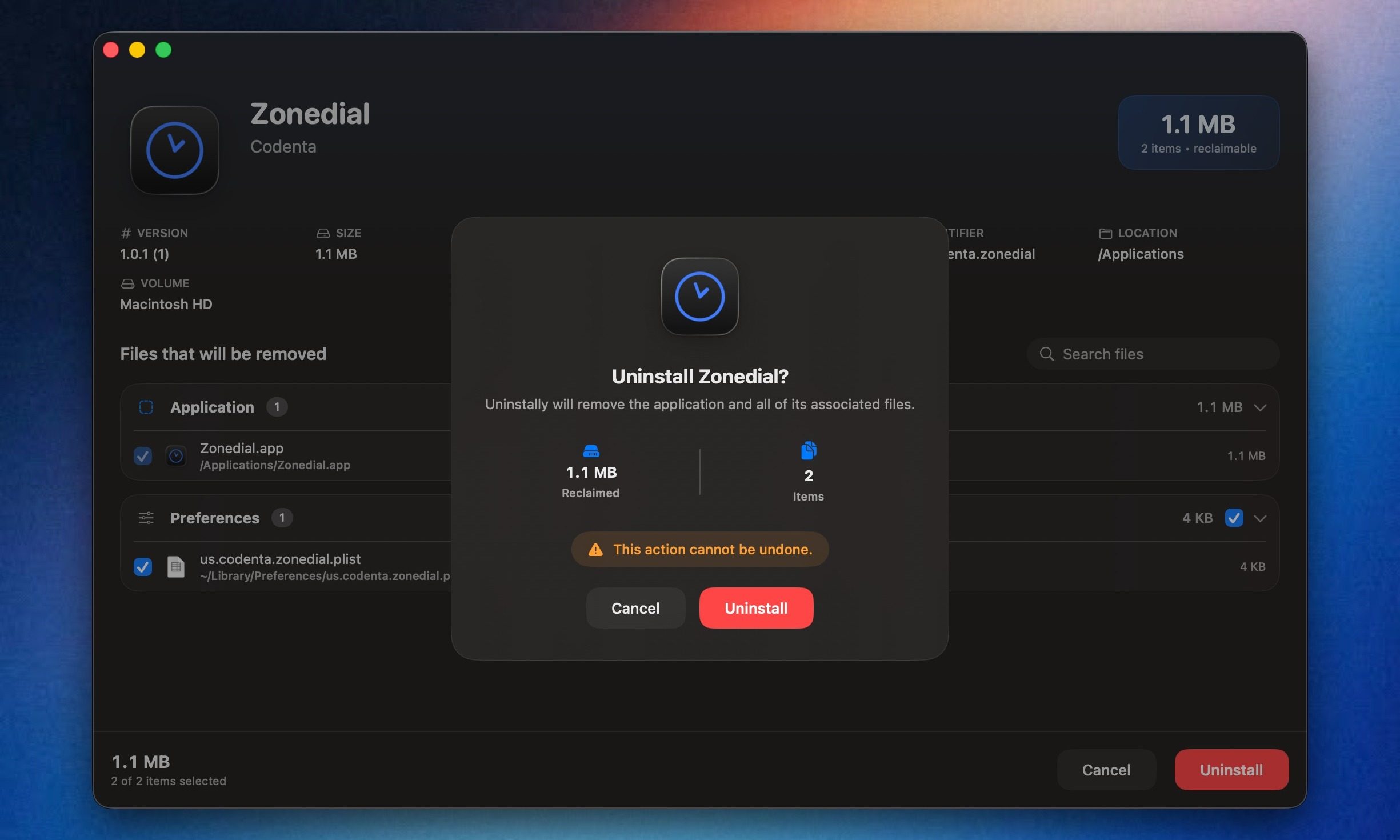
Uninstally macOS app UI

Uninstalling apps on macOS is usually very easy. You drag an app to the Trash, empty it, and move on. The annoying part is that many apps still leave residue behind, including support files, caches, preferences, containers, and logs. I have always found that frustrating, especially when old app data keeps sitting around long after the app itself is gone.

AppCleaner by FreeMacSoft has been the popular go-to option for this for years, and it still does the job well. But I recently came across a new open-source alternative called Uninstally by Codenta, which solves the same basic problem. It removes Mac apps along with the support files, caches, preferences, containers, logs, and other leftovers they usually leave behind.

Read more
AMD just made Ryzen laptop chips even more confusing, but here’s what’s actually new
The refreshed lineup brings more Zen 4 processors to mainstream and budget laptops.
AMD Ryzen 100 and 200 series

AMD has quietly expanded its mobile processor portfolio with 11 new Ryzen laptop processors, adding fresh models under both the Ryzen 200 and Ryzen 100 families. While that sounds straightforward enough, the bigger story isn't the chips themselves -- it's AMD's increasingly confusing naming strategy. The company has introduced seven new Ryzen 200 processors alongside four new Ryzen 100 models, but despite belonging to different series, many of them are actually built on the same Hawk Point silicon featuring Zen 4 CPU cores and RDNA 3 integrated graphics.

The Ryzen 200 series gets seven new CPUs

Read more
OpenAI is killing ChatGPT Atlas browser. I loved it, but it was an uphill race to the top
It was a trailblazer in a few ways, before it was copied down to its skeleton.
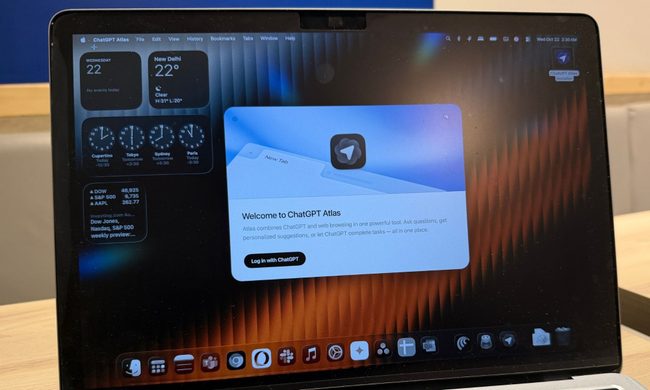
ChatGPT Atlas browser on a MacBook.

When OpenAI launched its own web browser, there was plenty of skepticism as to why a frontier AI lab is even bothering with making a browser in the first place. And yet, the company went ahead and launched ChatGPT Atlas with a heavy dosage of AI features built in. Well, the days of browser ambitions are over, and it will be put on cold ice in September this year.

OpenAI says it is sunsetting the short-lived browser in favor of pushing the new ChatGPT work desktop app, which already has a built-in browser as well as a cloud browser for AI agents. And now that ChatGPT is making its way to other browsers, such as Chrome, as an extension, there is little need for maintaining a dedicated browser project of its own.

Read more