1. Home
  2. Computing
  3. Web
  4. Legacy Archives

Comscore: Bing Gaining Ground in Search

Add as a preferred source on Google
Image used with permission by copyright holder

It’s been over a year since Microsoft launched Bing, it’s latest effort to take on market leader Google in the field of Internet search. And while Bing’s rise in the market can’t exactly have been described as meteoric, media metrics firm Comcore says Bing is making headway in the U.S. search market. According to Comscore, both Bing and Yahoo picked up 0.6 percent of the U.S. search market between May and June of 2010, with the bulk of that gain coming at the expense of market leader Google.

Comscore found that Google still accounted for some 62.6 percent of the U.S. search market in June 2010; however, Yahoo gained 0.6 percent to come in with an 18.9 percent share, and “Microsoft sites”—at this point meaning almost everything powered by Bing—also picked up 0.6 percent for a 12.7 percent overall share in June. Google’s share amounts to a 1.1 percent decline; Ask.com held even at a 3.6 percent share and AOL lost 0.1 percent to wind up at 2.2 percent. Comscore’s search numbers for the U.S. market focus on “core search,” and omit things like searches on mapping services, user-generated video sites, and local directory services.

Recommended Videos

The news could be good for both Yahoo and Bing: Yahoo has been introducing revamped services and pages designed to make the Yahoo collection of services more social and integrated with other popular online offerings; meanwhile, Bing has been touting itself as a “decision engine” that focuses on making use of data people search for, rather than a mere list of search results. Under a long-term partnership, Bing will soon start handling the back end of searches submitted to Yahoo, although Yahoo will continue to develop its own search front-end and services.

Comscore also found that U.S. search users conducted 16.4 billion searches in June, up 3 percent from May.

Geoff Duncan
Former Contributor
Geoff Duncan writes, programs, edits, plays music, and delights in making software misbehave. He's probably the only member…
TSMC might set up a price hike that could come straight for your next phone, laptop, or tablet
Here's what TSMC's rumored 10% chip price increase actually means in dollar terms, and why your next phone or laptop could end up costing more.
TSMC Fab

My wallet flinched the second I saw the words "TSMC" and "price increase" in the same headline, and honestly, yours should too.

Turns out the company behind the silicon powering basically every flagship device out there, including Apple’s A-series and Qualcomm’s Snapdragon processors, is reportedly about to make all of it a little pricier.

Read more
Apple fixes Hide My Email bug that exposed users’ real email addresses
Here's how Apple's Hide My Email flaw leaked real addresses for over a year, and why it only got fixed once the story went public.
apple-merging-sign-in-with-apple-hide-my-email-icloud+

Turns out the "Hide" part of Hide My Email wasn't doing its job quite as advertised, something that I covered early in July. Security researcher Tyler Murphy reported the flaw in June 2025, but despite Apple claiming it was resolved in March 2026, independent tests confirmed it remained exploitable, at least until July 3, 2026.

So how did this bug actually work?

Read more
Gemini Notebook’s new Collections arrive just as Google turns it into a bigger workspace
Google is cleaning up notebook organization as the former NotebookLM expands across Gemini and Search
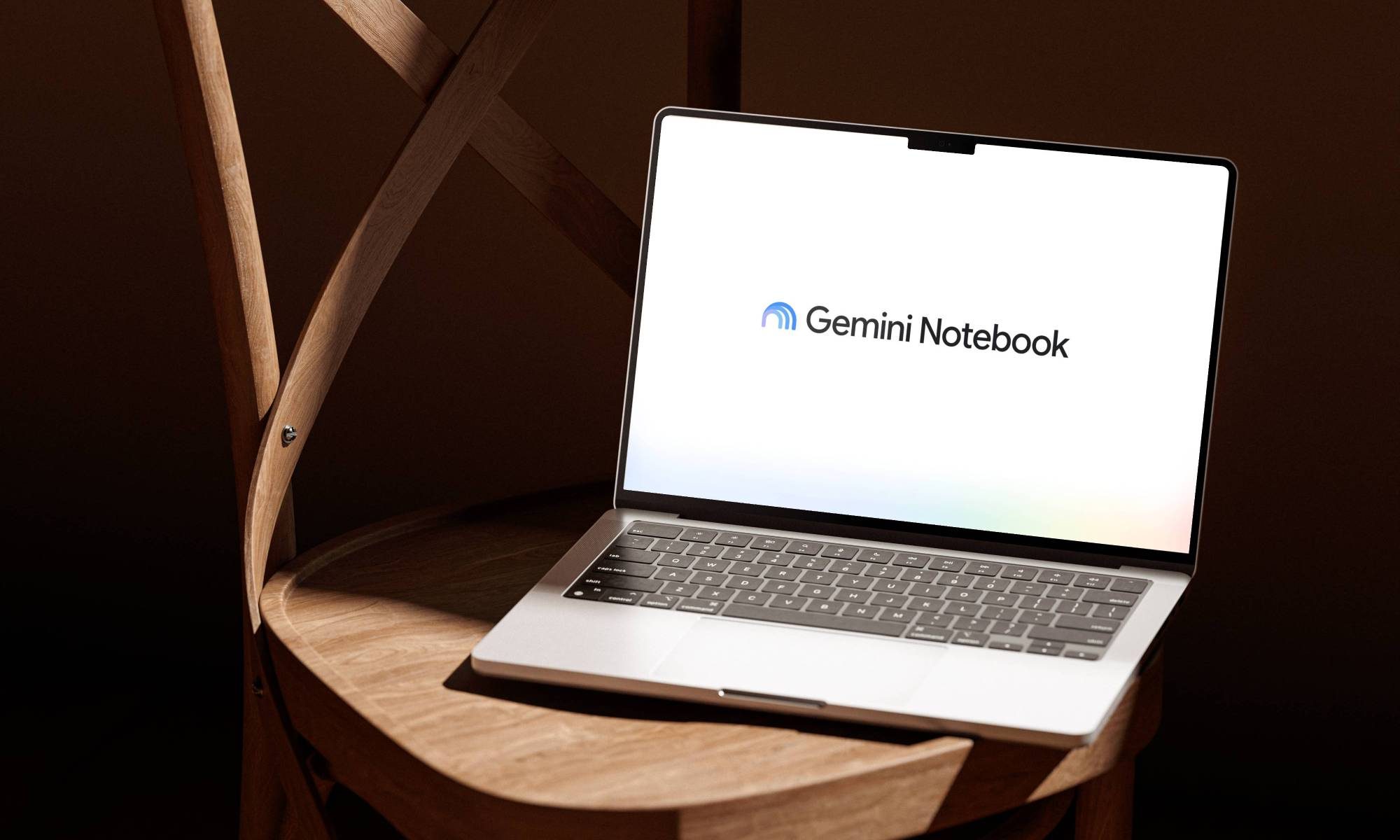
Gemini Notebook branding on a MacBook

Google has barely finished renaming NotebookLM, and it’s already addressing one of the headaches that comes with building a large research library.

Collections are rolling out to all Gemini Notebook users, giving them a way to group related notebooks while keeping everything visible under My Notebooks. The dashboard gets some structure without asking users to rearrange the library they’ve already built.

Read more