1. Home
  2. Computing
  3. Gaming
  4. News

Digital Trends may earn a commission when you buy through links on our site. Why trust us?

Dell just made 240Hz gaming monitors shockingly cheap

New 27-inch displays start at around $130, bringing high refresh gaming to tight budgets.

Add as a preferred source on Google
Dell 27 240Hz Monitor - SE2726HG featured
Dell

High refresh rate gaming monitors have slowly become more affordable, but Dell’s latest launch takes that trend to a new extreme. The company has introduced two new 27-inch gaming monitors with 240Hz refresh rates starting at roughly $130, a price that would have seemed impossible for this spec just a few years ago.

The two models, the SE2726HG and SE2726HGS, focus on delivering fast, responsive gameplay at a budget-friendly price. Both displays are built around a 27-inch Full HD panel, a combination that prioritizes high frame rates and smooth motion over ultra-high resolution. For competitive gaming, that trade-off makes sense. Lower resolution reduces GPU strain and helps players reach the high frame rates needed to fully take advantage of a 240Hz refresh rate.

Recommended Videos

Speaking of which, the high refresh rate is also paired with 0.5ms response time, which is designed to minimize motion blur and input delay. For fast shooters and esports titles, this can translate into smoother tracking, clearer movement, and a more responsive feel overall. Add to that, there’s support for AMD FreeSync to help eliminate screen tearing and keep gameplay fluid when frame rates fluctuate.

Dell has also paid attention to everyday usability. The panels cover 99% of the sRGB color space, which means they are capable of delivering reasonably accurate colors for media consumption, casual content creation, and general desktop work. The only difference between the two monitors is mainly in ergonomics and design. The SE2726HGS includes an adjustable stand that allows height and tilt changes. The SE2726HG, meanwhile, sticks with a simpler stand to keep the design straightforward and accessible.

The bigger takeaway from these monitors is how much high-refresh displays have evolved. Not long ago, 240Hz screens were niche products aimed almost exclusively at professional esports players. Now, they are becoming part of the mainstream gaming conversation. Dell’s new models highlight how competitive gaming features are gradually moving into everyday setups. Smooth motion, low latency, and adaptive sync are no longer luxury upgrades but features that more players can realistically consider. For gamers building or upgrading a setup, this release signals a shift in expectations.

Varun Mirchandani
Varun is an experienced technology journalist and editor with over eight years in consumer tech media. His work spans…
The Adobe clones are real, but so is the work left to finish them
Seven free alternatives are out now, but their own documentation shows how much work remains
Nature, Outdoors, Sea

Free versions of Photoshop, Premiere Pro, and Lightroom are an easy sell to anyone tired of paying Adobe. Add a developer who says he vibe-coded replacements for seven of the company’s apps, and the triumphant headline practically writes itself. Adobe can presumably start clearing its desk.

Brandon Thomas’s Crafting Apps give that excitement something to work with. People can download the tools, inspect the source code, and find their way around familiar interfaces.

Read more
Getting health advice from AI chatbots comes with a problem doctors may never see
Researchers say AI companies should face the same liability as doctors for bad health advice
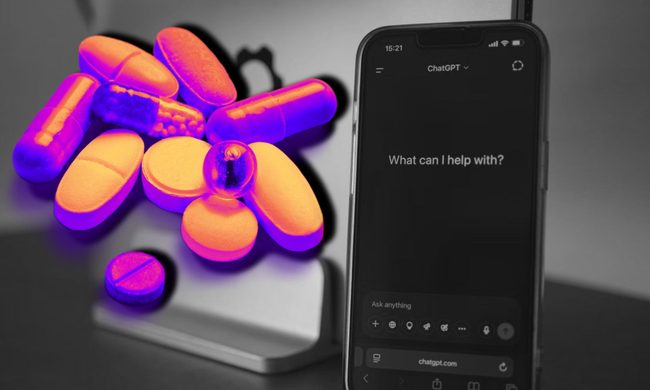
ChatGPT and pills on the same canvas.

AI chatbots have quietly become a go-to source for medical advice the extent that some are dangerously skipping real doctors. But when AI's health advice goes wrong, doctors may never see the exchange behind it.

Researchers from Binghamton University, Stanford, Texas A&M, and Indiana University published a paper in Nature Health examining what happens after a chatbot gives you bad health information. Their biggest concern is not just that chatbots can be wrong. It is that those mistakes often leave no trace for doctors, researchers, or regulators to catch.

Read more
AI companies expect a catastrophic AI incident and are reportedly preparing for the aftermath
A major AI cyberattack could disrupt essential services, damage public trust, and spark a political fight over regulations.
openai-anthropic-logo-on-screen

Leaders at OpenAI, Anthropic, and other AI companies are reportedly preparing for a potential AI disaster that could turn the public against artificial intelligence. According to an Axios report, industry leaders are privately running through possible scenarios for what happens after a catastrophic AI incident.

What kind of AI disaster are companies preparing for?

Read more