1. Home
  2. Computing
  3. Legacy Archives

Dell announces Project Ophelia, a USB stick that uses the cloud to make any monitor a PC

Add as a preferred source on Google
Image used with permission by copyright holder

Dell Wyse, the computer brand’s cloud computing arm, is slated to announce a device code-named Project Ophelia at CES in Las Vegas. The gadget is a USB stick that plugs into any monitor and converts it temporarily into a PC computer, according to Engadget. The device runs Android 4.0, the operating system better known as Jelly Bean, and it connects to a cloud server that houses all of your computing content. Project Ophelia only needs two amps of power to run, and it can get that from the monitor it’s plugged into. Just add in a Bluetooth keyboard and mouse, and you have your computer anywhere you go.

Tarkan Maner, Dell’s vice president and general manager of cloud computing, spoke with Cloud Pro about the new device. Maner said the company has its own IP on the device for security all the way between the device and the Dell data center. The gadget is managed by Dell Wyse Cloud Client Manager software-as-a-service, which gives extra protection by ensuring that the person using Project Ophelia has the correct permissions to access files.

Recommended Videos

Maner also noted that during Dell’s design phase, the company received inquiries from telecommunications firms about the device. Project Ophelia is slated to begin beta testing at 20 different major telecom businesses following CES, with a general release to the public in the second half of this year. 

It’s a cool idea, and it has the potential to be especially useful for enterprise businesses or professionals who are frequently on the road. Project Ophelia could make it easier to work without a laptop or to still be productive without lugging around your primary computer, although it does require some certainty about which monitors are compatible. Dell has clearly thought through the sticky issues of security, but the biggest remaining question is how easy it will be for consumers to just happen upon a free monitor to use without prior planning. 

Image via Miguel Mendez

Anna Washenko
Former Contributor
Anna is a professional writer living in Chicago. She covers everything from social media to digital entertainment, from tech…
Topics
Gemini Notebook’s new Collections arrive just as Google turns it into a bigger workspace
Google is cleaning up notebook organization as the former NotebookLM expands across Gemini and Search
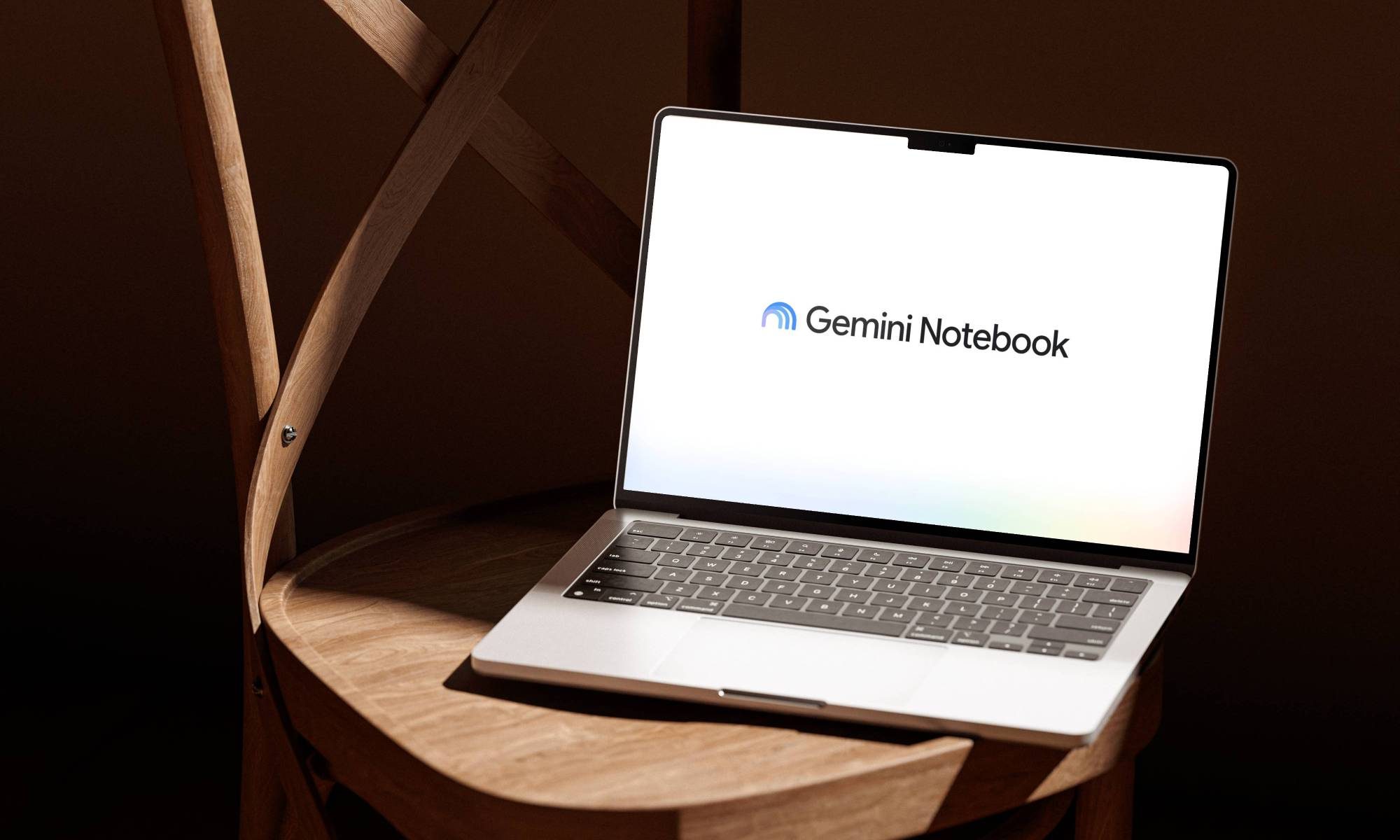
Gemini Notebook branding on a MacBook

Google has barely finished renaming NotebookLM, and it’s already addressing one of the headaches that comes with building a large research library.

Collections are rolling out to all Gemini Notebook users, giving them a way to group related notebooks while keeping everything visible under My Notebooks. The dashboard gets some structure without asking users to rearrange the library they’ve already built.

Read more
Samsung’s humanoid robot ambitions are real, but factories come first
Samsung’s new robotics division has humanoids in its sights, although its immediate business is far more practical factory automation
Robot Touch Human Finger

Samsung wants a place in the humanoid race, but its new robotics push begins with machines built for factories rather than homes.

The CEO-led RX robotics division will initially focus on manufacturing robots. Samsung has separately identified humanoids as a priority, although it hasn’t announced a commercial model or explained where one fits into the division’s immediate plans.

Read more
WhatsApp’s Liquid Glass redesign is finally coming to Mac after months of waiting
WhatsApp's Mac app is getting Apple's Liquid Glass-inspired makeover
WhatsApp

WhatsApp has been steadily adopting Apple's new design language across its apps, but Mac users have largely been left watching from the sidelines. That is finally beginning to change.

The messaging platform has started rolling out its Liquid Glass redesign for the WhatsApp Mac app, bringing the desktop experience much closer to what iPhone and iPad users have been seeing over the past few months. The update introduces a refreshed interface with redesigned navigation elements, updated menus, and a cleaner layout that aligns with Apple's latest software aesthetic. According to WABetaInfo, the rollout has begun through the latest Mac App Store update and is currently reaching a limited number of users.

Read more