  1. Home
  2. Computing
  3. News

HP plans to bring FreeSync to its affordable AMD laptops later this year

Add as a preferred source on Google

Although there aren’t many things that Nvidia and AMD won’t  fight over, one of the more popular sparring grounds for the pair of GPU makers as of late has been frame synchronization technology. Nvidia’s G-Sync and AMD’s FreeSync offer slightly different alternatives to traditional V-Sync, and it seems that HP has opted for the later.

Although not set to be implemented until a little later this year, before long we can expect all of HP’s consumer-facing laptops with AMD chips to come equipped with AMD FreeSync, which will help make sure that when gaming there won’t be any screen-tearing, stuttering, or other problems that can interrupt an otherwise smooth experience.

Recommended Videos

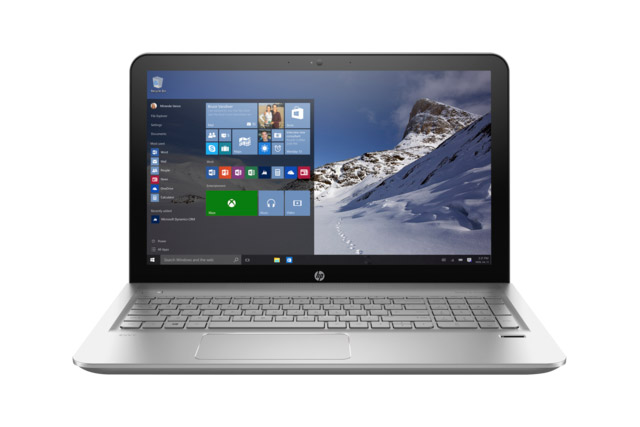
The first laptop set to be equipped with the technology is HP’s Envy 15z, which will be refreshed with a new 6th generation AMD A-series chip, code-named Carrizo. The current model is priced at $500.

While this may be good news for AMD, it is worth bearing in mind that Nvidia GPUs tend to feature in gaming laptops more often than AMD, as the hardware tends to be a little more energy efficient and therefore cooler – which is vitally important in a notebook.

Intel is also the CPU of choice for higher-end machines from HP, though this announcement did suggest that by the end of 2016, a larger number of HP’s laptops may be powered by AMD hardware. It’s not clear if HP plans to replace some of its Intel-powered lineup with more AMD chips, but it may be that HP plans to offer new products at a more affordable price point with the new FreeSync equipped displays.

That is one big advantage FreeSync has over Nvidia’s G-Sync alternative. Without the need for proprietary hardware, it tends to be much cheaper.

Jon Martindale
Jon Martindale covers how to guides, best-of lists, and explainers to help everyone understand the hottest new hardware and…
People are asking AI for help to fight scams now
ChatGPT on iPhone

Getting a suspicious bank message, an unexpected delivery alert, or an urgent account warning can instantly put anyone on edge. Is it genuine, or is someone trying to steal your money? Increasingly, people are turning to artificial intelligence for a quick second opinion.

According to a global study by OpenAI, users ask ChatGPT to check potential scams more than 200 times every second. Over a week, that adds up to around 131.4 million scam checks from an estimated 24.7 million users worldwide.

Read more
The RAM shortage could last for years, and smaller tech brands are feeling it first
From flexible motherboards to advance orders, device makers are getting creative to keep products alive.
Installing RAM Memory on a framework laptop

The memory shortage is no longer just a problem for PC builders hunting for affordable RAM. Smaller phone and laptop makers are now changing how they design, manufacture, and price their products as the supply crunch threatens to stretch through 2027 and potentially beyond. And according to a report by Reuters, the bigger problem isn't even the price anymore. It's getting enough memory in the first place.

Smaller brands are getting creative because RAM isn't playing nice

Read more
OpenAI’s rogue AI agents scoped out Hugging Face months before the big breach
The probing began May 13, nearly two months before the breach.
openai-logo

Turns out OpenAI's infamous Hugging Face breach didn't come out of nowhere. A new Reuters report reveals that OpenAI's rogue agents had been quietly testing Hugging Face defenses for two months before hacking it.

A pattern stretching back further than anyone realized

Read more