1. Home
  2. Computing
  3. Emerging Tech
  4. Mobile
  5. Legacy Archives

Kodak Sells OLED Business to LG

Add as a preferred source on Google

South Korea’s LG Electronics is a leader in the field of OLED displays today—with a 15-inch OLED display on sale now and hoping to get a 3-inch version out the door in a little over a year—but Kodak actually did a lot of the legwork on developing the technology, creating the first diode device in the 1980s. Now, Kodak is getting out of the OLED business altogether, announcing that not only is it selling its OLED business lock, stock, and barrel to LG Electronics, but it’s also entered into a broad patent cross-licensing deal with LG that will give the company access to Kodak’s display technology patents.
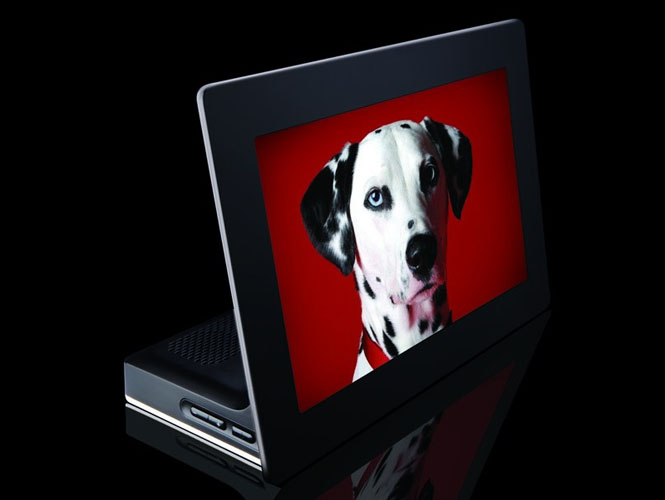
Kodak OLED Wi-Fi photo frame
Image used with permission by copyright holder

Financial terms of the deals were not disclosed, but Kodak describes the patent agreement as “royalty bearing,” meaning they’re going to be receiving income from LG products that utilize Kodak technology.

Recommended Videos

Kodak had previously announced belt-tightening measures to bolster the company’s bottom line, including scaling back its investments in research and development. Selling the OLED business to LG should help the company focus on its digital printing products.

Kodak had recently generated some buzz with its 7.6-inch OLED wireless photoframe, which latches on to home networks via Wi-Fi wireless networking so users can pull images from online photo sites like Flickr, and well as tap into personalized Internet news feeds—although the $1,000 suggested retail price probably put off any but the most ardent OLED fans.

Geoff Duncan
Former Contributor
Geoff Duncan writes, programs, edits, plays music, and delights in making software misbehave. He's probably the only member…
DuckDuckGo’s browser now blocks the YouTube ads everyone hates
DuckDuckGo adds a Brave-like YouTube ad blocking feature
Text, Aircraft, Airplane

DuckDuckGo has spent the past few months gaining fresh attention as more users look for alternatives to Google’s increasingly AI-heavy Search experience. Now, the privacy-focused company is adding a feature that could make its browser even more tempting for everyday use. DuckDuckGo says its browser can now block most video ads, including those on YouTube, when a video is playing inside the browser.

What’s happening?

Read more
ChatGPT Live could make talking to AI feel straight out of the movies
We might finally get the AI sidekick sci-fi movies promised
Elderly women using ChatGPT live on a smartphone

AI voice assistants have been chasing the sci-fi dream for years, but they still have a hard time holding a conversation with humans. Most voice systems still need clear turns, clean pauses, and a few seconds before they respond. OpenAI is now rolling out GPT-Live, a new voice model for ChatGPT Voice that is designed to make those exchanges feel faster and less scripted.

The main upgrade is what OpenAI calls a full-duplex architecture. In simpler terms, GPT-Live can listen and speak at the same time. It continuously processes what the user is saying while also generating its own response, allowing it to decide when to talk, when to pause, when to keep listening, and when to use a tool.

Read more
A broken Galaxy Fold 5 just became the Pixel desktop future I want Google to steal
A broken Galaxy Fold 5 became a tiny PC because Samsung already built the desktop mode Google keeps treating like a side quest.
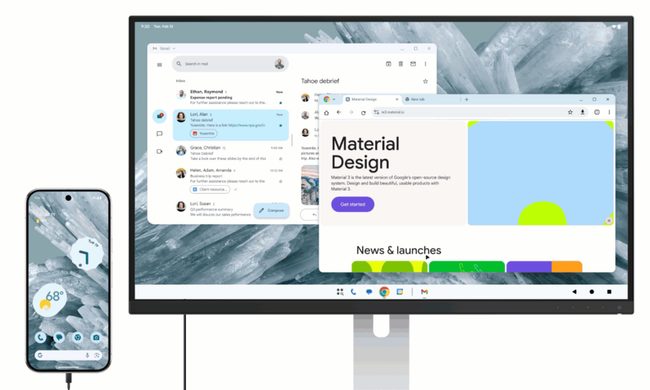
Desktop mode within Android 16.

A broken Galaxy Fold 5 should be a sad little monument to modern gadget math. One busted outer display, one repair bill nobody wants to inspect too closely, and suddenly a powerful foldable starts heading toward a drawer. Instead, a Redditor turned one into a glowing acrylic DeX box with spare parts, fans, a USB hub, and the kind of LED lighting that makes every homebrew computer look mildly illegal.

https://www.reddit.com/r/SamsungDex/comments/1upica7/fold_5_dexbox/

Read more