1. Home
  2. Computing
  3. News

Detachable tablets like the Surface Pro 4 are leading a recovery in the PC market

Add as a preferred source on Google

The PC market has seen a few years of declining sales, leading some pundits to predict that Apple’s “post-PC” world was underway. The iPad’s initially strong sales seemed to confirm the idea that consumption tablets would eventually dominate the industry at the PC’s expense.

More recent data, however, suggests that PCs are recovering, and that tablets like the iPad are falling by the wayside. The most recent IDC data supports both of those positions, with detachable tablets leading the way to stronger than expected PC sales through 2021.

Recommended Videos

The weakest PC segment, according to IDC’s forecast, will be the desktop, data center, and workstation market, which will see sales decline by 2.8 percent between 2016 and 2021. That’s less of a decline than in past years, however, based in part on a stronger market than expected in 2016.

IDC Worldwide
IDC Worldwide

Meanwhile, traditional notebook sales were stronger in 2016, based at least in part on continued Windows 10 adoption and growth in the ultraportable and premium markets. IDC expects notebook sales to grow by 0.7 percent between 2016 and 2021, which would be a much rosier picture than past forecasts.

Slate tablets like the iPad will continue their decline, however, falling 6.5 percent through 2021. The primary competitive device is the detachable tablet, which provides a more robust productivity experience. According to IDC, detachable tablets will grow a whopping 21.2 percent between 2016 and 2021, which bodes well for the growing number of Windows 10 2-in-1 machines hitting the market.

As IDC senior research analyst Jitesh Ubrani puts it, “Consumers are just starting to graduate from old, consumption-based, slate tablets to a more productive detachable tablet. At the same time, the benefit of having a thin, touch-sensitive, productivity-based machine is shining light on the traditional PC category, causing vendors and consumers to focus on more premium devices in the Convertible and Ultraslim space.”

These latest numbers help dispel the notion that PCs are becoming irrelevant in the face of mobile devices like consumption tablets and smartphones. It seems that productivity remains important, and that an increasing number of users recognize that PCs are the real productivity devices.

Mark Coppock
Former Computing Writer
Mark Coppock is a Freelance Writer at Digital Trends covering primarily laptop and other computing technologies. He has…
The Adobe clones are real, but so is the work left to finish them
Seven free alternatives are out now, but their own documentation shows how much work remains
Nature, Outdoors, Sea

Free versions of Photoshop, Premiere Pro, and Lightroom are an easy sell to anyone tired of paying Adobe. Add a developer who says he vibe-coded replacements for seven of the company’s apps, and the triumphant headline practically writes itself. Adobe can presumably start clearing its desk.

Brandon Thomas’s Crafting Apps give that excitement something to work with. People can download the tools, inspect the source code, and find their way around familiar interfaces.

Read more
Getting health advice from AI chatbots comes with a problem doctors may never see
Researchers say AI companies should face the same liability as doctors for bad health advice
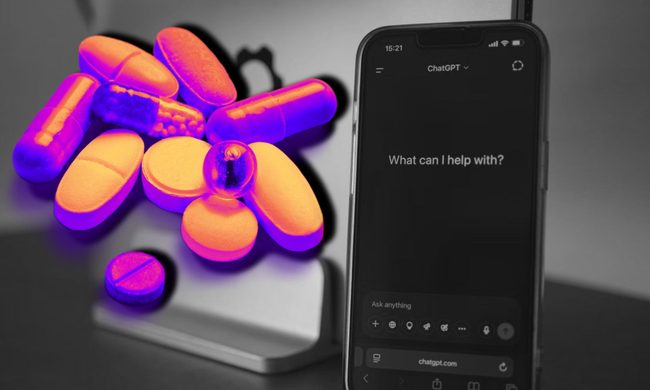
ChatGPT and pills on the same canvas.

AI chatbots have quietly become a go-to source for medical advice the extent that some are dangerously skipping real doctors. But when AI's health advice goes wrong, doctors may never see the exchange behind it.

Researchers from Binghamton University, Stanford, Texas A&M, and Indiana University published a paper in Nature Health examining what happens after a chatbot gives you bad health information. Their biggest concern is not just that chatbots can be wrong. It is that those mistakes often leave no trace for doctors, researchers, or regulators to catch.

Read more
AI companies expect a catastrophic AI incident and are reportedly preparing for the aftermath
A major AI cyberattack could disrupt essential services, damage public trust, and spark a political fight over regulations.
openai-anthropic-logo-on-screen

Leaders at OpenAI, Anthropic, and other AI companies are reportedly preparing for a potential AI disaster that could turn the public against artificial intelligence. According to an Axios report, industry leaders are privately running through possible scenarios for what happens after a catastrophic AI incident.

What kind of AI disaster are companies preparing for?

Read more