At any given moment there are approximately a zillion different crowdfunding campaigns happening on the Web. Take a stroll through Kickstarter or IndieGoGo and you’ll find there’s no shortage of weird, ambitious, and downright stupid projects out there – far too many for any reasonable person to keep up with. But here at DT we are not reasonable people. We spend an inordinate amount of time poring through crowdfunding sites and product blogs in search of the next Oculus Rift or Pebble Watch, so we’re here to bring you a quick roundup of the best projects that are currently up and running.
Tao WellShell – Palm-sized isometric fitness trainer
 We actually got a chance to check out the WellShell back in January during CES, but if you didn’t catch our hands-on back then, the easiest way to describe this thing is that it’s basically a Wii Fit board for your hands. It’s a small, shell-shaped device designed to provide a simple but effective workout for the space or time-challenged fitness freak. To use it, you exert different degrees of force by pressing it between your hands, all the while following structured exercises presented on the Bluetooth-linked iOS or Android app. TAO’s app coaches you to press more, or press less, when to hold, for how long, shows a path for you to follow, and measures the force you apply. It also tells you when to rest and how many reps to do.
Hoop Tracker – Basketball performance-tracking smartwatch
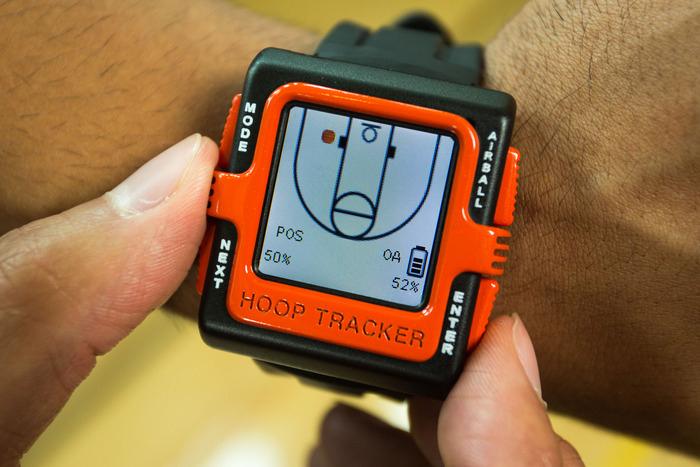 There are already a number of different sensor-studded basketballs that track things like shot arc, release times, backspin, speed and power of dribble, and so on. But sometimes you don’t care what the ball looks like as it goes in – you just want to know when it does, and from where. Enter Hoop Tracker from Wireless Sports. Before taking to the court, you just strap this badboy onto your non-shooting hand. A shot detector housing an internal 3-axis accelerometer is attached magnetically to the rim, with the help of a provided 55 inch “mounting pole” (which they may want to rename). From there, the watch and shot detector work wirelessly up to 45 feet apart, monitoring every attempt from around the floor, noting both makes and misses, and also keeping track of your overall percentage.
Ascent – Inflatable-bottom tent
 This is one of those ideas that makes you shake your head and wonder why the hell we haven’t been doing this all along. Ascent is a normal four-person dome tent, but unlike any other portable shelter on the market, it’s outfitted with an integrated six-inch inflatable base. It’s basically like having a super-durable air mattress built into the floor. Obviously, this makes the whole thing considerably heavier than most other tents, but the inflatable bottom section is also designed to be removable, so you can choose to leave it behind on longer treks, or bring it along when you’re camping just a few yards from your car. And don’t worry about punctures either – this badboy is made from a special type of vinyl that can handle even the most jagged terrain.
Halo Belt 2.0 – Variable-color LED safety belt
 If you’ve been keeping up with Kickstarter since the early days, this one probably looks familiar. The original Halo Belt popped up on the site back in 2012, raising more than 1,000 percent of its $5,000 goal. Now the team behind it is back with a new and improved version, and once again they’ve taken to Kickstarter to get it off the ground. It’s basically the same device as before — a flexible LED belt that can be worn anywhere on your body, and can be programmed to blink and change color. This makes it ideal for anybody who needs to be visible: cyclists, motorcyclists, joggers, flaggers, and kids who attend raves. In comparison to the original, however, version 2.0 is brighter, stronger, longer lasting, and is now rechargeable instead of relying on disposable batteries.
Polymakr – Versatile 3D-printing filaments
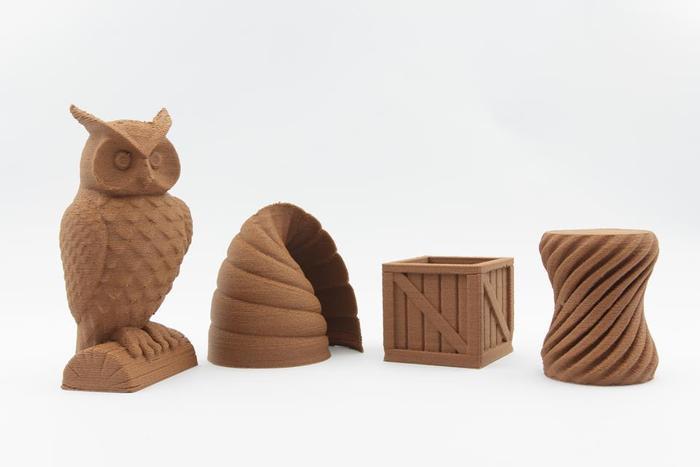 3D printers come in a wide variety of different shapes, sizes, and styles these days, but unfortunately the same can’t be said of 3D printing filament just yet. Unless you’ve got a specialized printer designed to print in carbon fiber or some other exotic material, your choice of printing materials is basically limited to just two different plastics: ABS and PLA. Polymakr hopes to expand your choices, and has developed three new filament types. There’s PolyMax PLA, a new take on the original that’s substantially stronger and more durable; PolyFlex, which is extremely flexible and resilient; and PolyWood, a porous material designed to mimic the look, feel, and weight of real wood. All three are compatible with most consumer 3D printers, and come in the same standardized sizes.