At any given moment there are approximately a zillion different crowdfunding campaigns happening on the Web. Take a stroll through Kickstarter or IndieGoGo and you’ll find there’s no shortage of weird, ambitious, and downright stupid projects out there – far too many for any reasonable person to keep up with. But here at DT we are not reasonable people. We spend an inordinate amount of time poring through crowdfunding sites and product blogs in search of the next Oculus Rift or Pebble Watch, so we’re here to bring you a quick roundup of the best projects that are currently up and running.
Rumpl – High-performance outdoor blanket
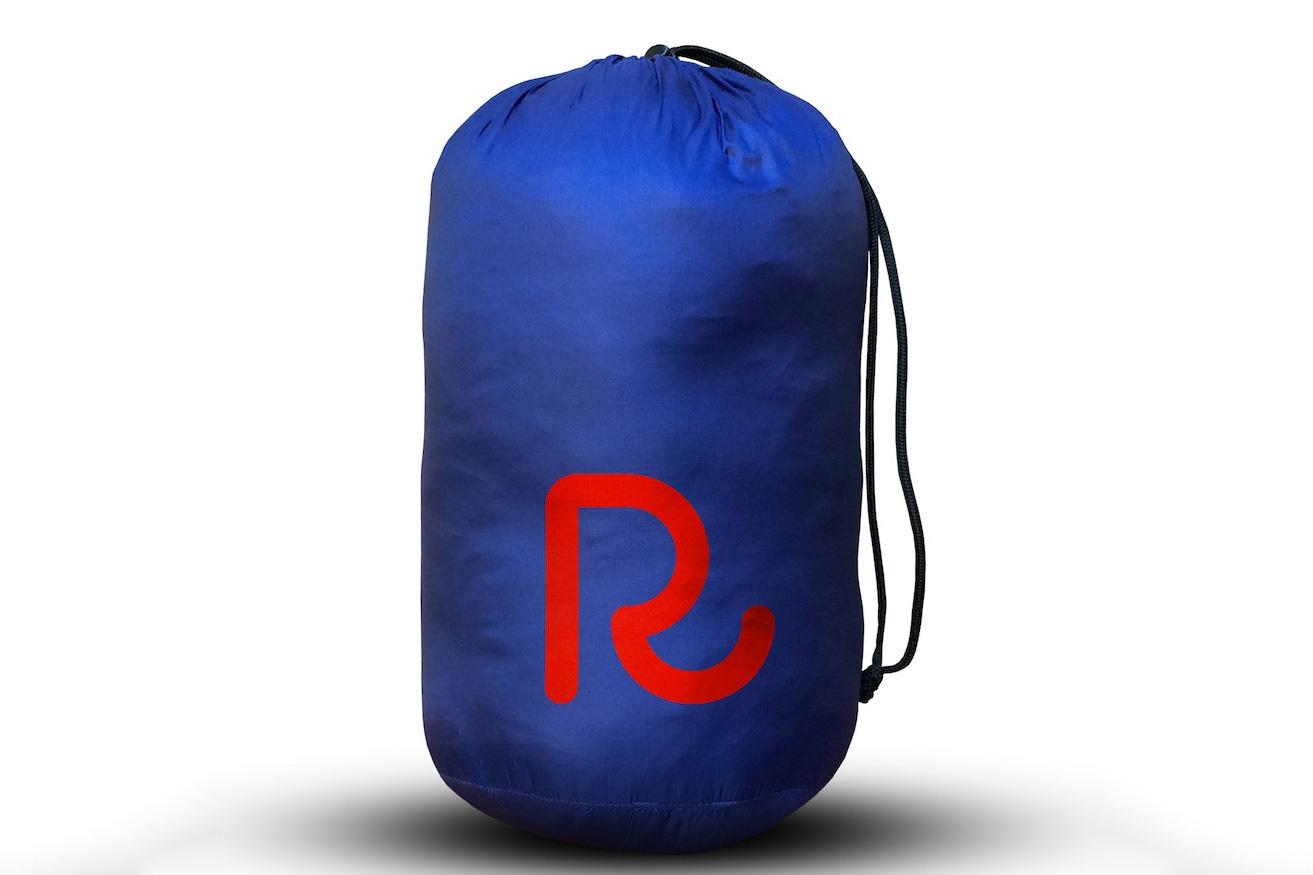 Designed for outdoorsy types with active lifestyles, Rumpl is a high-performance blanket made from materials developed for the outdoor industry. On the outside, it’s constructed from super-premium 20D, rip-stop nylon with a water-resistant DWR shield. This not only makes it incredibly soft and breathable, but also rugged and tear-proof as well. The DWR coating makes Rumpl stain resistant, and also prevents odor and bacteria from building up. Inside, it’s filled with ultralight synthetic down that mimics natural down, but is lighter, extremely compressible, and completely washable. Back it now and the first production models will ship around mid June – just in time for camping season.
Nuviz – Retrofittable helmet HUD
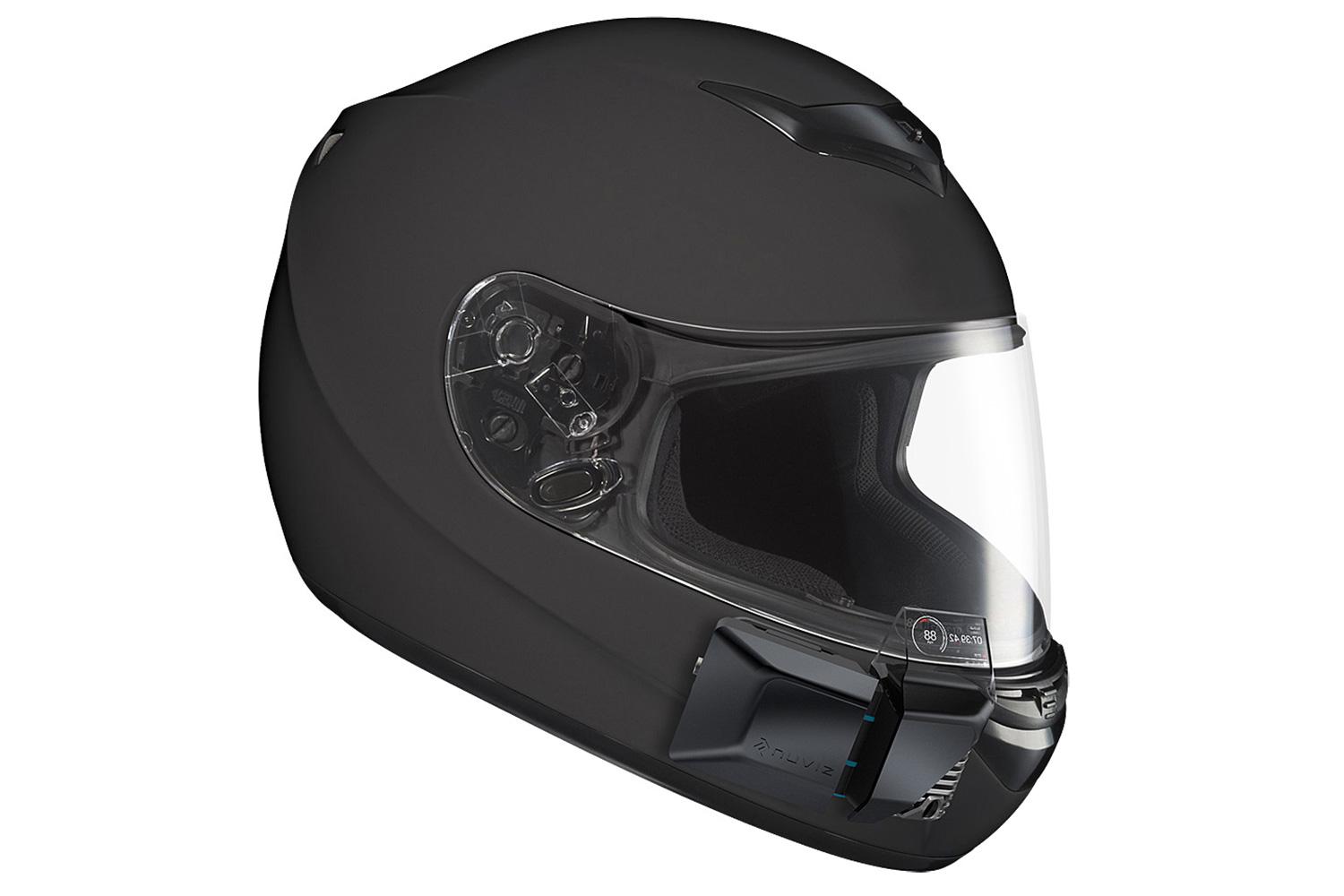 Last month we ran a piece about the Skully P1 – this crazy next-gen motorcycle helmet sporting an integrated heads-up display. Nuviz is basically the same idea, but executed in a completely different way. Rather than being built into the helmet, the Nuviz HUD is modular, and can be attached to the chinbar of any full-face helmet you already own. The device uses a Liquid Crystal on Silicon (LCOS) Microdisplay-powered projection engine to create a bright, high-contrast image in the lower right corner of your field of view. Back the project now and you can lock one down for about $530.
Temperfect – Temperature regulating coffee mug
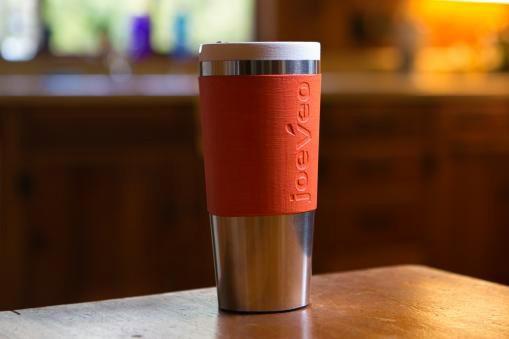 Temperfect was built by a guy struggling with the Goldilocks dilemma every morning. Ceramic mugs made his coffee too cold, but Thermos style mugs kept it too piping hot to drink right away. He wanted his carefully-brewed joe to be juuust right, so he designed a mug that utilizes both methods to better regulate the temperature. Temperfect takes the excess heat out of the too-hot coffee, stores it in the insulated walls of the mug, and then uses that heat later to keep the coffee at a pleasant drinking temperature for an extended period of time. Brilliant.
Birdi – Air quality monitor
 Think of this as Nest Protect on steroids. Rather than merely detecting smoke and carbon monoxide, Birdi boasts a slew of different sensors, and can detect stuff like humidity, temperature, pollen, and general air quality. And of course, it can connect to your home Wi-Fi network to send you alerts and tips on how to keep the air you breath fresh and healthy. In case of emergency, Birdi will sound an alarm, flash its lights, and send alerts to the phones of anyone who needs to know. Much like Nest Protect, Birdi can also tell the difference between a real danger and a bit of burned popcorn in the microwave, so it won’t bother you unless the emergency is real.
MyLifter – Modular smart winch
 MyLifter is a modular, Bluetooth-enabled, app-controlled motorized lifter designed to A.) help you save space by allowing you to lift and store things in areas that are generally difficult to reach, and B.) help you lift heavy and/or awkwardly shaped items at the push of a button. The pitch video shows it being used mostly to lift stuff in the garage – things like bikes, kayaks, and skyboxes – but since MyLifter is modular, you could arguably use it for just about anything. Each winch assembly can lift up to 50 pounds, and you can link up to four of them together. MyLifter can be controlled via a smartphone app, or a dedicated remote control.