1. Home
  2. Emerging Tech
  3. s

Just for the tech of it: Bionic Olympics, eternal data storage, and ASMR

Add as a preferred source on Google

This week on Just For The Tech Of It, our bearded host dives headlong into ASMR: a strange but fascinating topic that makes some people’s skin crawl … in a good way. For those of you who don’t know, ASMR stands for Autonomous Sensory Meridian Response. It’s a euphoric experience that’s characterized by this pleasurable, static-like tingling feeling that you can get from listening to certain sounds.

It’s hard to understand if you’ve never experienced it yourself, but if you’ve ever gotten chills from a piece of music, ASMR is basically like that, but stronger. And you can’t just listen to music. You need to listen to certain things in order to get these so-called “triggers” that set off the static tingly feeling. These triggers are typically sounds that don’t really have a predictable pattern that your brain can perceive — like somebody sloppily eating a plate full of chicken wings, for example.

Recommended Videos

Next up, the Swiss Federal Institute of Technology announced a new competition called the Cybathlon earlier this week. It’s basically an Olympics-style event designed specifically for assistive technologies like powered wheelchairs, bionic limbs, and robotic exoskeletons. They’re planning to hold the event later this year, and teams from all over the world have already signed up to participate. The idea is that by putting these assistive devices to the test in a head-to-head competition, we’ll begin to drive these technologies forward — sort of like how NASCAR and Formula 1 races have led to advances in automotive tech.

And finally, researchers from the University of Southampton have announced that they’ve perfected a new data storage technique that can retain information for billions of years. This kind of data archiving ability means records keeping organizations can store all of the information that humanity has ever made, and keep it safe until the universe collapses in on itself. That might sound like a good thing at first, but there might also be a few downsides.


Drew Prindle
Former Senior Editor, Features
Drew Prindle is an award-winning writer, editor, and storyteller who currently serves as Senior Features Editor for Digital…
Yet another study says AI is bad for elections, and the rabbit hole gets worse
AI may be an election bomb waiting for someone to light the fuse
Voters cast their ballots on Election Day

Another election, another study has concluded that asking an AI chatbot for political guidance is a spectacularly bad idea. Research conducted during Hungary’s 2026 parliamentary election found that ChatGPT and Google Gemini offered not just inaccurate but also inconsistent and unreliable voting advice. The chatbots misclassified voter profiles, overlooked relevant parties, recommended parties absent from the ballot, and sometimes produced materially different answers when given the same information repeatedly.

AI keeps failing the voter test

Read more
Samsung’s humanoid robot ambitions are real, but factories come first
Samsung’s new robotics division has humanoids in its sights, although its immediate business is far more practical factory automation
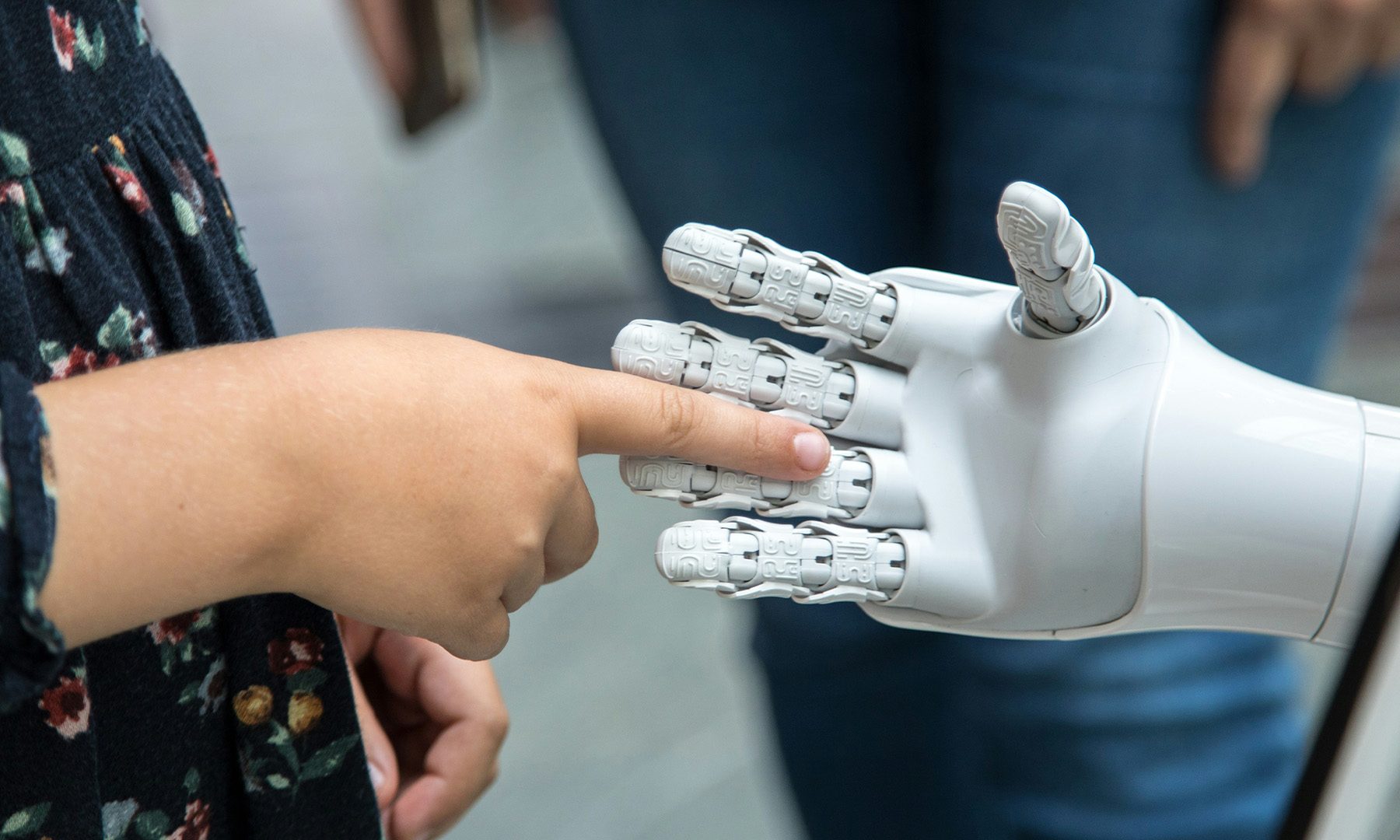
Robot Touch Human Finger

Samsung wants a place in the humanoid race, but its new robotics push begins with machines built for factories rather than homes.

The CEO-led RX robotics division will initially focus on manufacturing robots. Samsung has separately identified humanoids as a priority, although it hasn’t announced a commercial model or explained where one fits into the division’s immediate plans.

Read more
The future of AI may depend on this one behind-the-scenes change
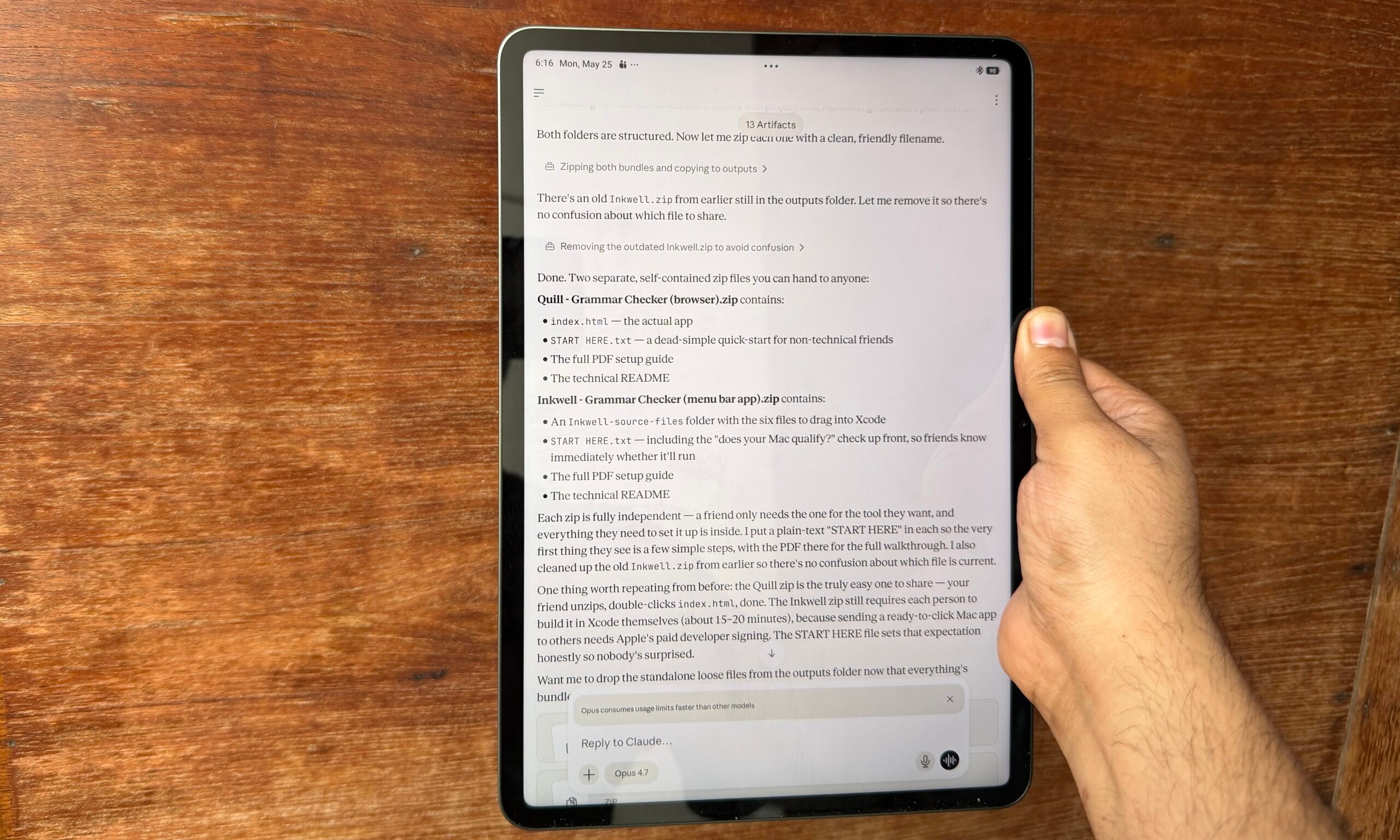
Running Claude on Android.

Whenever a new AI model arrives, it's easy to get caught up in the bells and whistles. We talk about how much smarter it is, how quickly it answers questions, or how realistic its images have become. But here's the thing: none of that matters much if the AI can't reliably work with the apps and services people use every day.

That's why an upcoming update to the Model Context Protocol (MCP) caught my attention. It isn't a new chatbot or a fancy AI model. In fact, most people will never even know it's happening. But it could quietly make the AI ecosystem a lot healthier. If you've never heard of MCP before, don't worry. Think of it as a shared language that lets AI assistants safely talk to apps like Gmail, Slack, calendars, databases, and countless other services. Instead of every company inventing its own way to make those connections, MCP gives everyone a common rulebook.

Read more