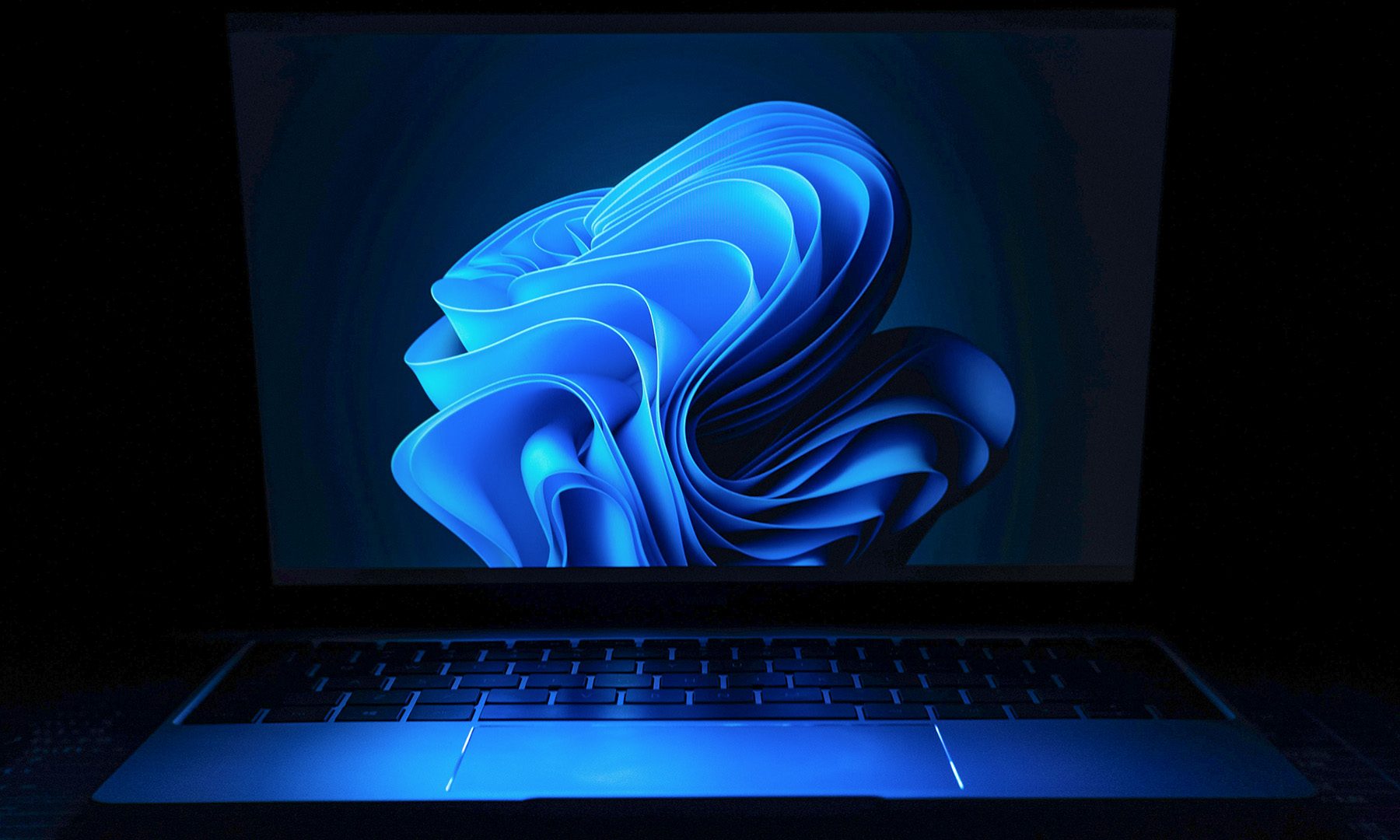
As I?ve often mentioned, the Ultra Mobile PC category has a great deal of promise. This is a class that could redefine how we work and play; however, just as the original PC was a very hard birth, this one won?t be easy?and Microsoft?s history here isn?t the best.
We?ll look at whether this new device will be something that redefines the personal computing market, or another good idea that went nowhere.
The Promise of Origami
Think of it: A single device that will allow you to listen to your music, watch your movies and TV shows anywhere, allow you to keep in touch with others, capture pictures and moments, and even do real work. Redefining ?light? and ?portable,? it would finally free us from our desks and wired network services, to more freely roam around our homes, companies, and neighborhoods.
It would be uniquely ours. And much like a cell phone, it would be something we would purchase?rather than something our companies decided was ?good enough? for our needs. It would be highly personalized, reflecting our choices in form, color, finish, manufacturer and unique markings. It also would scale to the performance we needed, for those of us into gaming or needing extra performance for other reasons. For others who simply wanted a more capable Blackberry, there would be less expensive (and likely smaller) devices that fit that need.
 As it exists in the emerging Web 2.0 world, it would grow to be our preferred interface into the new internet, where the lines between desktop applications and web services are blurred and we move seamlessly in and out of network applications?often not knowing or caring whether we are online.
This is the device that makes personal telephone service over the web, VoIP, real. Those wishing to contact us would know where we are and whether we are available (with our permission) while automatically routing calls to us. If we were offline, it would allow them to leave messages that would be waiting for us in one place. This ability to have an integrated single phone number, internet address, and IM Client has been promised for years, but few have experienced it.
This device would integrate with our cars to provide navigation services, organize our media files, and provide critical messages and updates while we drive. Eliminating much of the need for advanced systems in cars, it would provide a consistent interface that would move with us; if we rented or borrowed a car, these advanced features still would be available.
Having Biometrics and Encryption and tied to a secure remote service for back-up, the device would ensure our identities are less likely to be stolen during electronic transactions.
This would be a device that we would get early in life, would grow as we grew, and would become more a part of what we are in our future than an archaic PC could ever be. This is the promise of this new class of hardware?but getting to this end point will require a lot of focused effort.
The Problem of Origami
We?ve seen a lot of stumbles from Microsoft when it comes to new devices. The AutoPC was a train wreck, the Mira Wireless Display was stillborn, MP3 players (based on Microsoft?s technology) have been stomped by the iPod, Microsoft-based PDAs never reached their potential. In recent years, we?ve been able to point only to the Xbox as something that has reached its potential.
In virtually all cases, the ideas were good but the execution was horrid. Partners were lined up, promises made, and products built?but consumers didn?t buy because what Microsoft and their partners did fell short of market requirements.
Failures tended to fall into three areas: Bad hardware designs, poor marketing, and excessive prices. The number of products that failed on all three counts is amazing.
 Microsoft?s bad hardware design is characterized as ?it?s not our fault.? I?ve found this to be an incredibly lame way to put the blame on someone else. For the AutoPC, the big mistake was allowing Clarion to choose a hardware configuration that was inadequate. Microsoft knew it was inadequate, and the initial offering was both so expensive and painfully slow that it virtually killed the category.
Mira was a train wreck from Day One. The devices were too large, too expensive, and too limited to be attractive. This was personally painful because I was brought into a massive Mira conference by National Semiconductor; they asked me what I thought (on stage) at the end of the conference. I said that there was no market for this thing as it had been imagined. I was right, but not particularly popular.
In such instances, Microsoft was unwilling to do what it takes to make the products successful. They had good excuses for their failures, but Microsoft was not built on excuses. With the exception of the Xbox, many question (with good reason) whether Microsoft has in its DNA the will to succeed in new markets and to create new categories of products like this one. If they fail, they will be in good company; Apple, IBM, and Philips all imagined this new device nearly a decade ago, but didn?t have what it takes to bring it successfully to market.
Outcome
Microsoft has gained the reputation of a company that is long on promises but painfully short on execution; as a result, partners are becoming increasingly hard to find. A new class of product is not easy to launch, as was discovered with the original PC. If Microsoft is willing to do whatever it takes to make this work, much like they did with the Xbox, the result could be amazing. They have two powerful partners: Intel, which has a passion for the class and the resources to ensure success, and VIA, which has aggressively priced offerings, is closer to the Asian markets (who will get this product the fastest) and has been working on the concept the longest. In addition, Samsung, often positioned as the next Sony/Apple, is aggressively going after the opportunity.
The key is how quickly market-leading designs like those imagined by Intel (http://umpc.com/video.aspx) make it into products, form the accessories around the offering, and are mass customized.
In the end, though, it will be up to Microsoft to pull it all together and do what it takes to create something wonderful. If they succeed, the result could have an impact even greater than the original PC, and create the impression that the New Microsoft still has the right stuff. If they fail, they will continue to increasingly remind us of the Old IBM, which just didn?t have the energy to get the job done. Every company finds a time when they can be reborn or retire. This may be the product that defines that moment for Microsoft.