
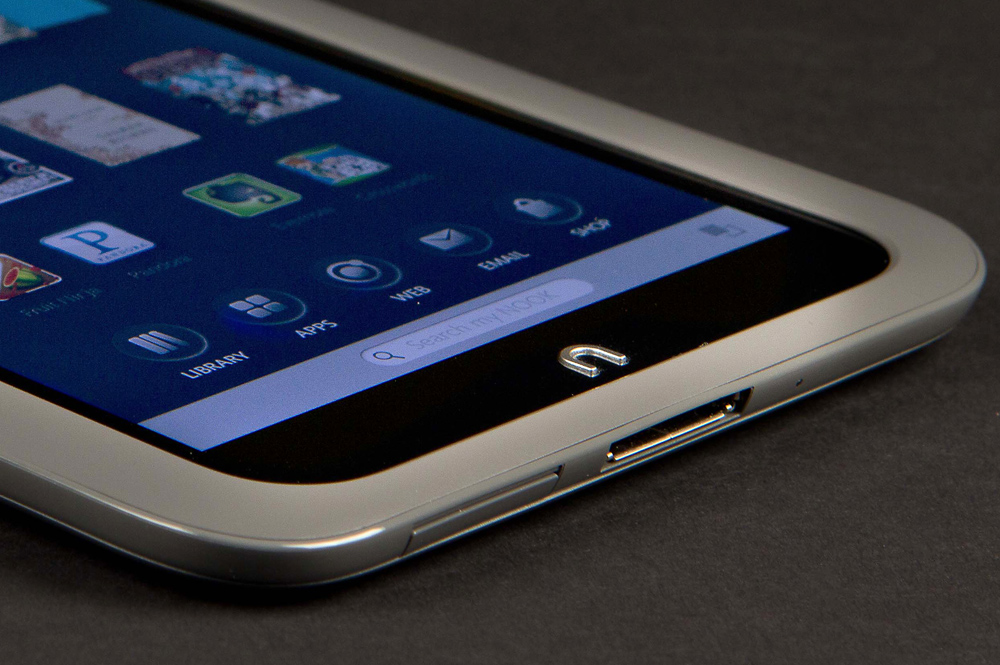
Announced within a press release on the Barnes & Noble site, the book retailer plans give away the Nook Simple Touch e-reader with the purchase of a 9-inch Nook HD+ tablet starting on Sunday, March 24 and running through the end of the month. Customers can choose either model of the Nook HD+ tablet, the 16GB model priced at $269 or the 32GB model priced at $299. Priced at retail stores for $79, the standard Nook Simple Touch e-reader offers a 6-inch touchscreen and provides a battery life that can last up to two months on a single charge.
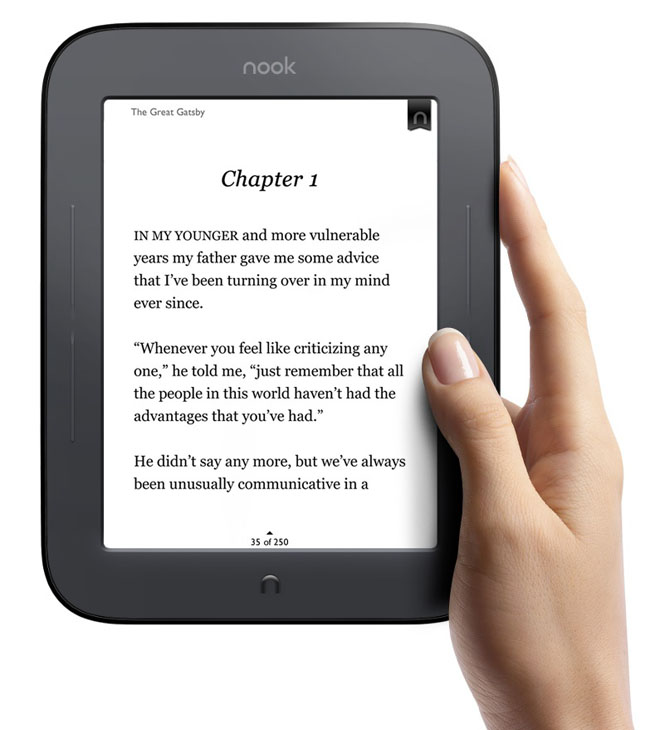 Ideally, the combination of the two devices gives a Nook owner the ability to read books and articles outside in direct sunlight rather than strain with glare on the tablet screen. The Nook HD+ tablet sports a high resolution, 1920 by 1280 display with 256 pixels per inch, easily allowing owners to watch 1080p resolution movies and television shows on the tablet.
Powered by a 1.5 GHz processor, the battery life offers users nine hours of video or ten hours of reading time. In addition to the 16GB or 32GB storage capacity, users can also add an additional 32GB of storage by adding a MicroSD card to the device. Comparatively, Amazon’s 8.9-inch Kindle Fire HD sells for $299 and the Google Nexus 10 is priced at $399.
While the promotion is ideal for anyone in the market for a tablet, it’s possible that Barnes & Noble has excess inventory of the Nook Simple Touch e-reader and simply needs to bundle the device in order to move units out the door. According to research published by IHS iSuppli, e-reader shipments are projected to fall by two-thirds over the next three years. Last year, Barnes & Noble ran a promotion that offered a free Simple Touch or Nook Color in exchange for signing up for a New York Times monthly subscription at $20 per month for an entire year.


