Currently seeking a $120,000 investment on Kickstarter, the BitLock is a high-tech twist on the traditional bike lock. For instance, the BitLock utilizes a low energy Bluetooth module that interacts with specific iOS and Android mobile devices in order to provide keyless entry. Rather than unlocking the BitLock with a metal key, the user presses a button on the bottom of the device to release the locking mechanism. However, this button is only active when the user is within a close proximity to the bike. There are also unlocking controls within the BitLock mobile application, but the phone doesn’t have to be removed from a pocket or handbag due to the proximity feature; identical functionality to a device like the Lockitron.
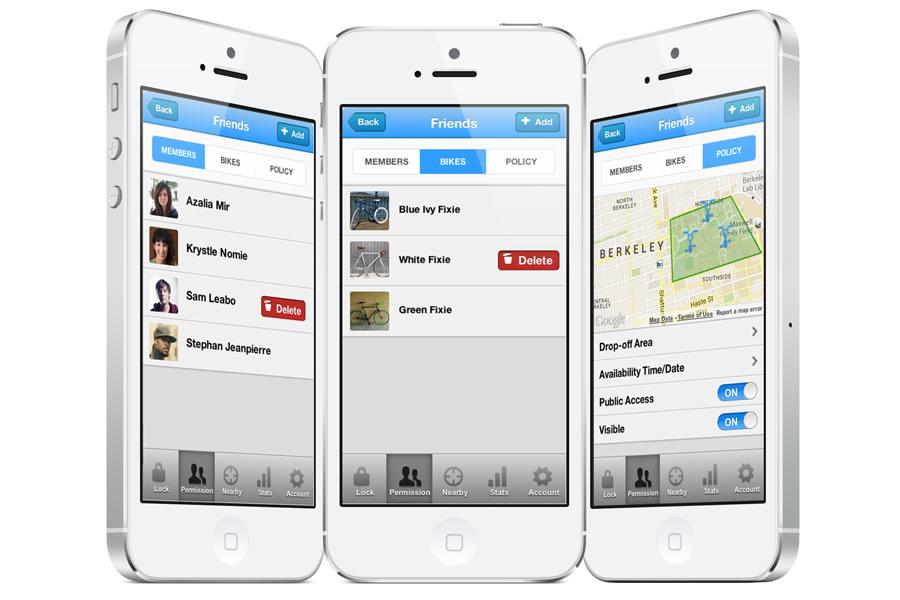
Within the mobile application, the user can setup groups of people that are authorized to use the bike. If the user wants to share the bike with friends or family, they only need to add the users to an authorized group. In addition, settings within the application allow the user to set group restrictions on the periods of time that the bike is available as well as restrictions on the geographical area in which the bicycle has to be dropped off.
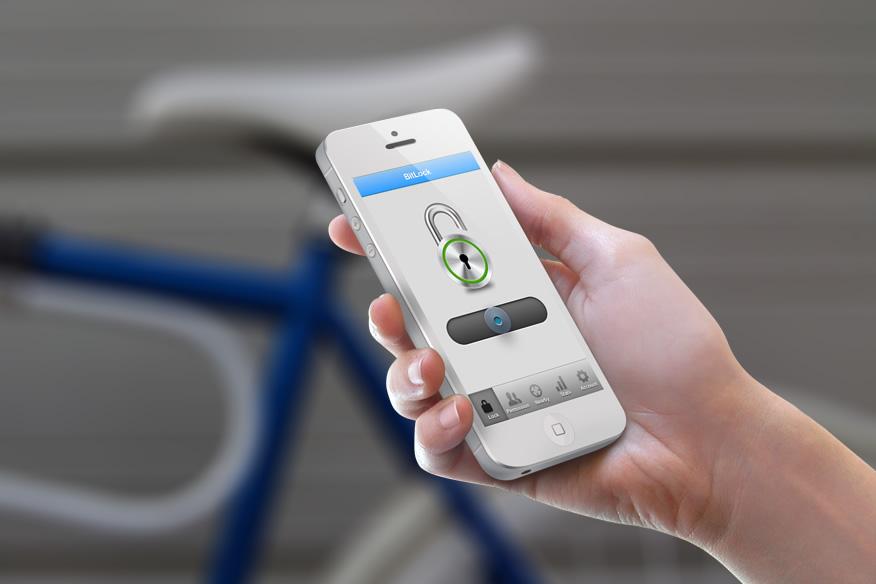
The Bitlock also comes with GPS technology for tracking the location of the bicycle. Within the mobile app, the user can see the location of the bike at any time. Regarding security, the Bitlock is made of “reinforced, heat-treated and cut-resistant steel” that cannot be removed when utilizing tools such as bolt cutters or a hacksaw. If the mobile device linked to the Bitlock goes missing, the user can simply reset the account password through the Web in order to deauthorize the mobile device. If the smartphone battery dies during the day, the Bitlock can also be opened using a 16-digit binary code provided with each model.
One other feature that’s included with the Bitlock emulates a fitness device like the Fitbit. The activity monitor tracks data such as calories burned, distance traveled, average speed and changes in elevation. In addition, the amount of carbon dioxide saved when biking rather than driving a car can be viewed for the ride or a longer time period like a week or month. One caveat to recording the fitness data is that the user has to open up the BitLock application on their mobile device before starting a ride.
Regarding durability, the device has been waterproofed for inclement weather and tested for a variety of extreme temperature conditions. The battery life is rated at five years and the Bitlock will issue a warning to the mobile app when the battery is running low. Smartphones that are currently supported include the Apple iPhone 4S and higher, Samsung Galaxy S3 and S4, Samsung Note 2 and 3, HTC One, Droid DNA, Motorola Moto X, Droid RAZR MAXX, RAZR M and the Google Nexus 4 and 5.
According to the Kickstarter page, early backers can secure a Bitlock for $99 and expected delivery of the device will be during July 2014. As with all Kickstarter and Indiegogo projects, be aware that manufacturing issues often delay the delivery window of the product by weeks or even months.