1. Home
  2. Audio / Video
  3. Legacy Archives

eMusic adds major labels and tiered pricing

Add as a preferred source on Google
Image used with permission by copyright holder

Online music store eMusic has always struggled against the iTunes, Amazon MP3s, Napsters, and RealNetworks of the world by offering literally millions of tracks from independent musicians and music distributors at cut-rate prices via a monthly subscription service. And, while many commercial digital music stores have been swallowed by the sands of time (and misbegotten DRM technologies) eMusic successfully evaded the DRM nightmare and is still going strong.

However, the lack of major label music has always hurt the services’ adoption amongst mainstream consumers…and now eMusic is looking to change that. eMusic now offers tracks from three of the four major music labels (Sony, Warner, and Universal—EMI is not on board) alongside its staple music offerings. However, there are some catches. The first is that some major music label tracks may not appear on eMusic until long after they’ve had runs on other digital music stores. The second is that eMusic is introducing a tiered pricing structure to accommodate major label tracks: where indie tunes can sell for $0.49 each, major label tracks will go for $0.69, $0.79, and even $0.89 each. And there’s another rub: eMusic will no longer let music credits accumulate: subscribers must use them within 30 days or they expire.

Recommended Videos

eMusic’s major label deals enable the service to offer newer songs from Sony Music and Warner Music Group, as well as tracks from Universal music group that are over one year old. eMusic’s pricing for these tracks can still be up to 50 percent lower than the same tracks through other online music stores—prices on Apple’s iTunes routinely hit $1.29 per song for current hits. eMusic pricing plans start at $11.99 per month.

The moves have cost eMusic some notable independent labels: according to industry reports, independent labels like Merge, Beggars Group, and Domino have withdrawn their artists from eMusic over eMusic’s business model changes. The labels represent several popular acts like Vampire Weekend, Arcade Fire, and Franz Ferdinand.

There is some irony to EMI being the last hold-out from eMusic’s major label offerings: eMusic was the main music service to eschew DRM, and EMI was the first major label to agree to distribute music without DRM technology back in 2007. eMusic’s current CEO, Adam Klein, is also a former EMI executive.

Geoff Duncan
Former Contributor
Geoff Duncan writes, programs, edits, plays music, and delights in making software misbehave. He's probably the only member…
Stop joining group projects with a blurry laptop webcam and buy one of these instead
Your laptop webcam is sabotaging your first impression. These five can fix it
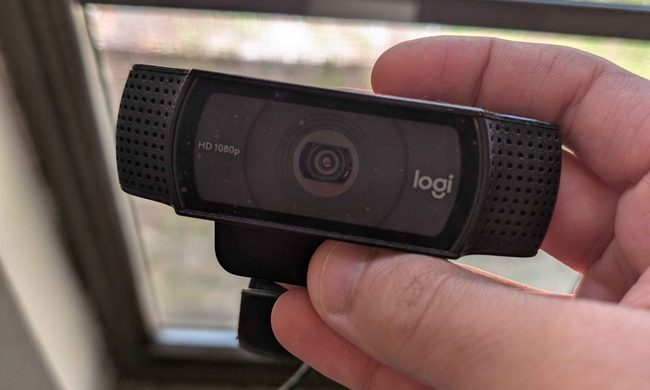
I'm holding my Logitech C920 1080p webcam in my hands.

The webcam built into your laptop might be good enough for a quick call with friends and family. But its shortcomings become much harder to ignore when you are presenting a semester project, interviewing for an internship, or maybe if you're planning to stream for fun.

Laptop cameras also tend to sit far too low, especially when the computer is placed directly on a desk. Meanwhile, a dedicated webcam lets you position the camera closer to eye level. This improves the framing and brings larger sensors, better microphones, and more effective low-light processing.

Read more
I desperately want a new classic Walkman, but Sony probably can’t give me one
Tech minimalism is begging for a new Walkman. Though rebuilding it may be close to impossible
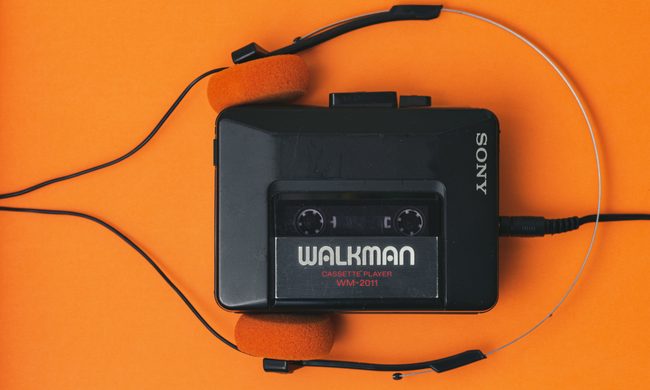
Sony Walkman WM2011

Every few months, another piece of tech that seems obsolete crawls out of a drawer and becomes cool again. The age of minimalism has revived the popularity of iPods among younger buyers. Dumbphones have become an escape hatch from endless notifications. Similarly, digital cameras are dangling from bags again. Physical media keeps attracting people who want something they can actually hold instead of another frustrating subscription.

All of this makes it the perfect time for Sony to bring back the classic Walkman, which was a phenomenon during the 80s and 90s. I would love one. Give me a compact cassette player, physical buttons, and wired headphones. Keep the apps, notifications, and algorithms that shape your taste of music. No more AI assistants or personalzied feeds, just you and your Walkman. There is only one problem though. Recreating the Walkman that people love and remember, would be far harder than putting an old design back into production.

Read more
Proton reveals how smart TVs track you and the escape situation is pretty grim 
Modern smart TVs fingerprint your screen content at the chipset level.
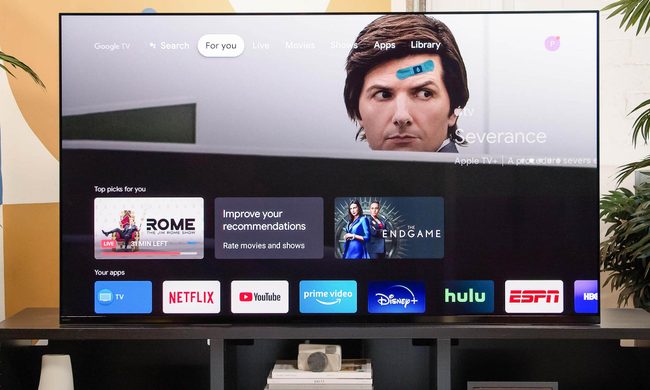
Google TV applications on the Sony A95K TV.

Your smart TV may know far more about your viewing habits than you realize, even if you rarely use its smart features. In a new privacy explainer, Proton warns that many modern TVs quietly collect data about everything displayed on the screen and share it with manufacturers, advertisers, and analytics companies.

The worrying part is that escaping this tracking is becoming increasingly difficult because many privacy controls are buried deep in settings or enabled by default. Proton argues that buying a smart TV today often means accepting a level of surveillance that most people never knowingly signed up for.

Read more