  1. Home
  2. Audio / Video
  3. News

Oppo’s UDP-203 Ultra HD Blu-ray player is finally ready for release

Add as a preferred source on Google

Unveiled earlier this year, the Oppo UDP–203 Ultra HD Blu-ray player looked to be one of the most feature-packed of the UHD players released so far, but as we began to close in on the end of 2016, there was no release info. That has changed, as on Monday Oppo announced that the player was officially ready for release.

Oppo says the UDP–203 is a successor to its award-winning BDP–103 Blu-ray player, though obviously it’s much more advanced. In addition to 4K Ultra HD resolution (3,840 x 2,160 pixels), the player also features support for HDR (high dynamic range) and Wide Color Gamut. The HDR10 format is supported out of the box for HDR, but a firmware update bringing support for Dolby Vision is planned for release in 2017.

Recommended Videos

The player features two HDMI outputs — the HDMI 2.0a port supports UHD TVs, A/V receivers, and other devices, while an HDMI 1.4 audio port adds compatibility for older receivers. Two USB 3.0 ports on the back and another on the front allow users to play back video, music, and photos from USB hard drives or other devices. These digital ports are joined by 7.1-channel analog audio outputs, fed by a 32-bit “Velvet Sound” DAC by AKM.

In addition to UHD Blu-ray, the UDP–203 also plays both standard and 3D Blu-ray discs, DVD, DVD-Audio, SACD, and audio CD formats. The player can decode AIFF, WAV, ALAC, APE, and FLAC audio formats, as well as DSD64 and DSD128. In addition to Dolby TrueHD and DTS-HD, the player also supports the Dolby Atmos and DTS:X object-based surround sound formats.

Oppo’s focus with the UDP–203 is on providing a premium experience for disc playback with quick start-up times and fast response, so it eschews such “smart” features as the streaming apps found in many players. Instead, it features an HDMI 2.0 input that allows the user to connect the streaming device of their choosing while keeping an HDMI input free on their TV or A/V receiver.

The Oppo UDP–203 sells for $550 and while no exact release information is available so far, pre-orders are expected to become available shortly. For more information, see the product page on the Oppo website. A UDP–205 model is also in the works, and is expected to launch in early 2017.

Kris Wouk
Former Contributor
Kris Wouk is a tech writer, gadget reviewer, blogger, and whatever it's called when someone makes videos for the web. In his…
Samsung takes on Dolby Vision 2 with its new HDR format hitting Prime Video this month
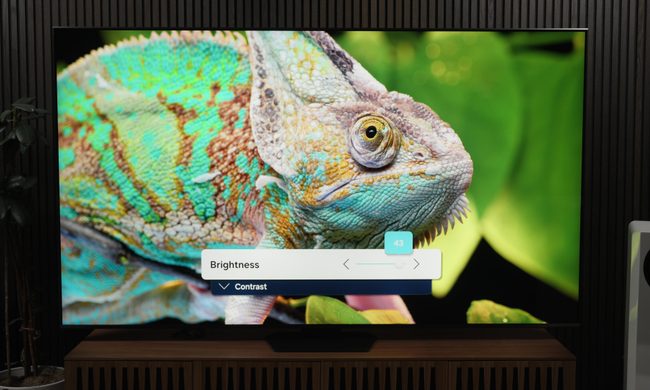
Samsung's HDR10+ Advanced beats Dolby Vision 2 to Prime Video this month.
Samsung TV Settings

I didn't expect Samsung to be the one crossing the finish line first here, given how much noise Dolby Vision 2 made when it was announced (September 2025). 

The company has confirmed its next HDR format, and it’s arriving on a popular OTT platform this month, beating Dolby Vision 2 to the punch.  

Read more
CMF’s first open-ear earbuds are here with a Smart Dial charging case that lets you control music
CMF's new earbuds ditch touch controls for a rotating dial on the case.
nothing-cmf-clip-pro-earbuds

CMF just stepped into one of the most crowded corners of the earbud market, and it's doing it with a case that steals the spotlight. The Nothing sub-brand launched the Clip Pro, its first open-ear earbuds, designed to let you hear your surroundings without sacrificing sound quality.

The CMF Clip Pro arrives in the US, UK, and Japan on August 15, priced at $99, with a wider global rollout following on September 15.

Read more
Google Drive steps up its video collaboration game with timestamped comments
Google Drive's timestamped comments pin feedback to exact moments in videos.
Google Drive featured image.

Over the years, I’ve collaborated with many video editors and content creator friends of mine, often pointing out things like how the text isn’t visible around the two-minute mark or how the transition in the opening sequence feels a little off. 

However, most of the time, they would end up scrubbing through the whole clip trying to find what I meant, or they'd ask me to send a screenshot of the exact moment I was referring to. Considering I wasn’t charging anything to spot those issues, that extra effort always stung a little. Thankfully, Google’s latest Workspace update finally fixes that.

Read more