1. Home
  2. Smart Home
  3. News

Nest makes two-factor authentication mandatory for its smart home devices

Add as a preferred source on Google
 

Google Nest is the latest smart home device to make it mandatory for people to set up two-factor authentication on their smart home devices. 

Recommended Videos

Nest announced the updates in a blog post on Tuesday, February 11, which is appropriately Safer Internet Day. People will start to receive a six-digit verification code via email, and you won’t be able to access your account without it. Nest said the option is meant to reduce the chance of someone accessing your Nest account. 
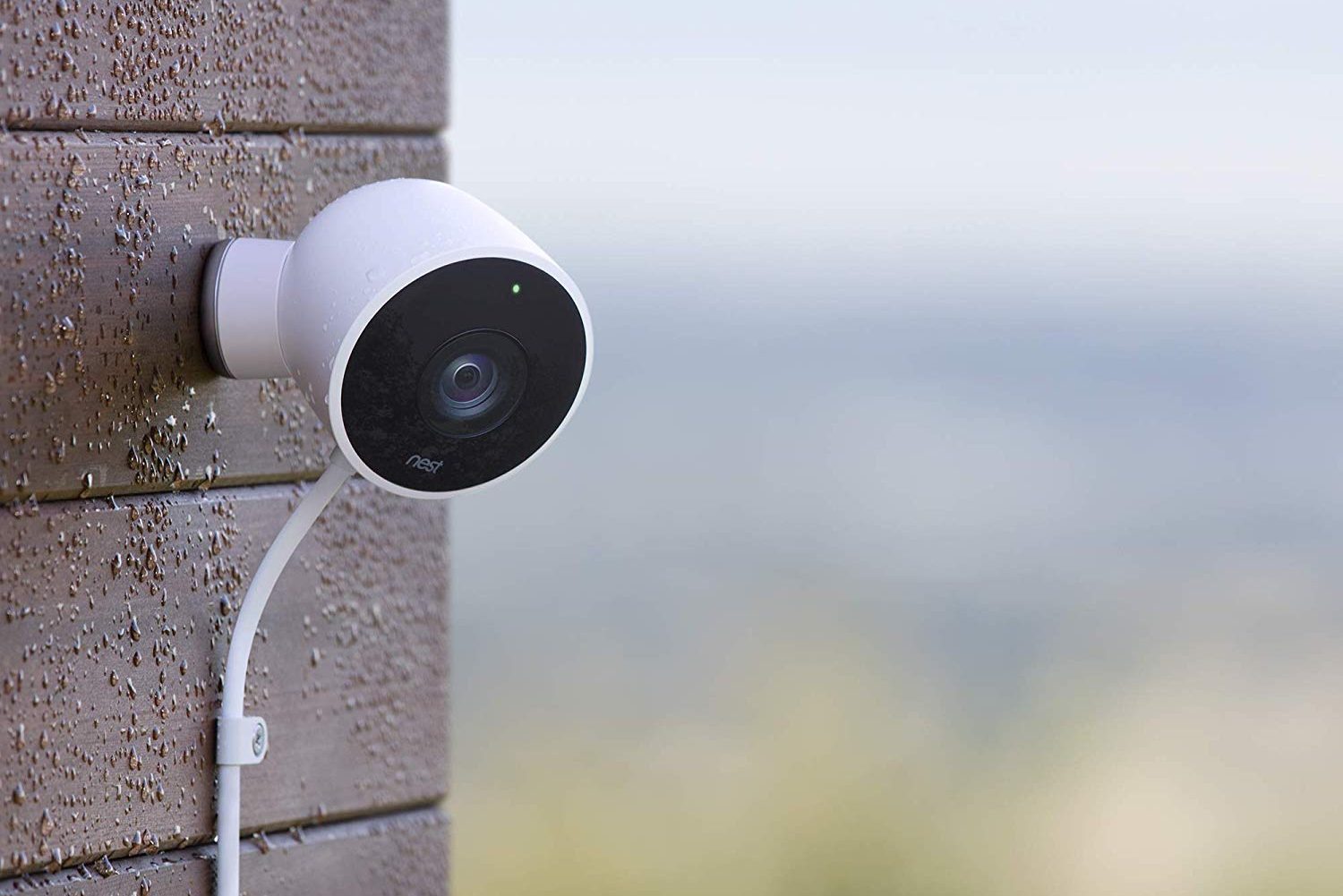
Google Nest Cam NC2400ES Outdoor Security Camera 2-pack
Image used with permission by copyright holder

“Two-factor authentication has long been available to all users as a way to prevent the wrong person from gaining access to your account, even if they have your username and password. Starting this spring, we’re requiring all Nest users who have not enrolled in this option or migrated to a Google account to take an extra step by verifying their identity via email,” wrote Cory Scott, the head of Security and Privacy at Google Nest, in the blog post. 

Nest’s update goes the extra mile in making sure all of its users have two-factor authentication set up since those that don’t won’t be able to get into their accounts. The update should force people to implement it into their smart home devices finally. 

Last month, Amazon Ring introduced updates to its Control Center, which makes two-factor authentication easier to locate and control within the app, as well as being a mandatory part of the setup process for all new accounts, as well as a requirement for existing users. Through a new feature called Approval Broadcast, users can also use two-step verification to authorize any new device that logs in with the correct credentials before that device can get access to the account.

Both Ring and Nest have had their fair share of privacy issues in the past, and it’s clear that both companies are putting a priority on two-factor authentication as the solution. 

Last year, a hacker was able to hijack a California family’s Nest camera and issued a fake emergency broadcast that warned of an incoming nuclear attack. A month later, a family in Illinois was tormented with racial slurs and taunts through a hacked Nest device, even hacking the thermostat and turning it up to 90 degrees. 

Ring has also had a string of privacy incidents, especially in the last few months. These include two data leaks and Ring device hacks where a hacker was even able to talk to a little girl in her bedroom. 

With all the unsettling reports of smart home cameras being hacked and data being exposed, it’s essential to be smart when it comes to your smart home technology, especially when it comes to password management. Aside from two-factor authentication, it’s also important to regularly change your password and to have unique passwords across different platforms.

Allison Matyus
Former Digital Trends Contributor
Allison Matyus is a general news reporter at Digital Trends. She covers any and all tech news, including issues around social…
Amazon wants to design in-house chips for Kindles, Fire TV, and Echo speakers
Apple did it first. Amazon is doing it now, starting with 40 million chips a year and a partner most people have never heard of.
Amazon Kindle Scribe dark mode featured image.

Apple's decision to design its own chips reshaped the consumer electronics industry. Amazon may be about to make the same call, just about two decades later.

Supply chain analyst Ming-Chi Kuo reports that Amazon is preparing to shift away from externally sourced processors for its consumer electronics lineup, marking what he describes as the company's first major processor procurement change in 20 years. The transition is expected to begin in 2027.

Read more
Beatbot’s AI pool cleaners aim to keep your Summer celebration going during peak season with deep discounts
Beatbot's Summer Pool Carnival offers deep discounts on a widely-acclaimed line-up of pool cleaners. Go, grab one this July!
beatbot discounts

As the World Cup heats up and Independence Day backyard gatherings loom, pool owners face a familiar summer paradox. The busier the social calendar gets, the harder it becomes to keep a pool in top shape. Enter Beatbot, the intelligent pool care brand positioning itself as the invisible infrastructure behind uninterrupted summer fun. In our reviews, offerings like the Beatbot Sora 70 and AquaSense 2 Ultra hammered that appeal with a mix of solid performance and a thoughtful feature set. If that sounds appealing, Beatbot's Summer Pool Carnival is offering deep discounts of up to 44%, starting July 1st.

The flagship offering is the AquaSense 2 Ultra, positioned as the world's first AI-powered 5-in-1 robotic pool cleaner. It combines floor, wall, waterline, and surface cleaning with integrated water clarification. The whole kit is held in place by Beatbot's HybridSense AI Vision System and CleverNav AI Path Planning. The system handles intelligent obstacle avoidance, adaptive route optimization, and even night cleaning, allowing homeowners to skip manual maintenance entirely.

Read more
SwitchBot’s new outdoor security camera uses AI to describe activity around your home
This 3K outdoor camera can explain what happened and search footage by prompt
Person, Security, Appliance

SwitchBot has launched the Outdoor Pan/Tilt Cam 3K in North America and the UK, adding a new outdoor security camera for monitoring yards, driveways, entrances, garages, and small shops.

The camera is designed to cover a wider area than a fixed security camera. It can rotate horizontally and vertically, follow moving subjects, record in 3K resolution, and use AI to summarize what happened in a clip, such as a delivery arriving, an animal entering the yard, or someone approaching the house.

Read more