  1. Home
  2. Smart Home
  3. News

The new Ring Battery Doorbell streamlines installation, enhances viewing angle

Add as a preferred source on Google
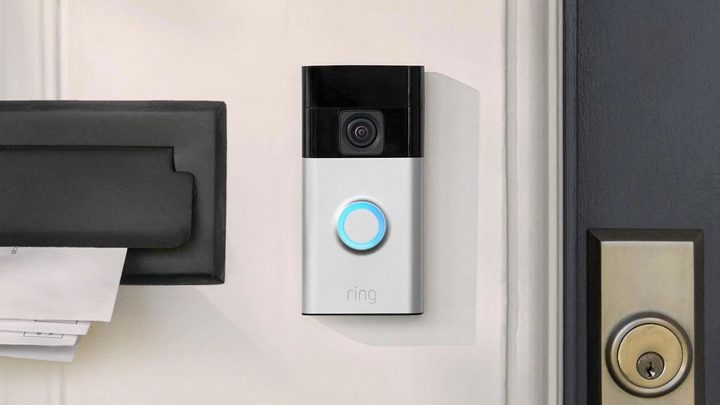
The Ring Battery Doorbell installed near a front door.
Ring

The Ring Video Doorbell (2nd Gen) is one of the most popular video doorbells on the market, and its newly announced successor — the Ring Battery Doorbell — is looking to carry on that legacy. Available for just $100, the Battery Doorbell brings a bundle of premium features to your front door without putting much of a dent in your wallet.

With the Ring Battery Doorbell, Ring is bringing its head-to-toe viewing angle to an entry-level video doorbell for the very first time. Its 150-degree viewing angle lets you see both packages at your doorstep and the smiling faces of tall visitors. All told, you’re getting a viewing angle that’s 66% taller than the old Ring Video Doorbell (2nd Gen). Considering it also retailed for $100, that’s a noticeable improvement.

Recommended Videos

Another big change for the Battery Doorbell is its installation. It now features a unique push-pin mount, allowing it to be snapped onto the mount by just pushing it in place. To release the video doorbell for charging, you’ll use an included push-pin tool. The installation process for Ring doorbells was already simple — but there’s no denying this new system should be even easier for folks with a limited DIY background.

Aside from those two big changes, this is your standard Ring Doorbell. That means it benefits from access to the Ring mobile app so you can set up motion zones, dive into Live View, or chat with visitors through its two-way audio function.

Keep in mind that this is still an entry-level video doorbell. That means it doesn’t support Bird’s Eye Zones for enhanced motion detection or the powerful Audio+ feature for improved two-way audio. But for a $100 device, it’s a pretty enticing package.

Other notable features of the Ring Battery Doorbell include HD motion capture, color night vision, and smart alerts. Many of the Battery Doorbell’s best skills are locked behind a Ring Protect Plan (which starts at $5 per month), but that’s true of most Ring products.

The Battery Doorbell is available for preorder and will begin shipping on September 4.

Jon Bitner
Former Digital Trends Contributor
Jon Bitner is a writer covering consumer electronics, technology, and gaming. His work has been published on various websites…
My smart home experiment has reached its natural limit
Smart-home technology keeps improving, but being easier to automate doesn’t make everything worth automating
Computer, Electronics, Laptop, Smart Home

The first device I added to my smart home was a light bulb. It seemed like the safest possible place to start. I could turn it on from anywhere, put it on a schedule, and eventually work it into routines with everything else.

Then I tapped the button in the app and waited. The delay was only about half a second, but half a second is surprisingly noticeable when the alternative is a wall switch that responds immediately and has never once asked for a firmware update. Using my phone was worse. I had to unlock it, find the app, open the right room, and tap the light I could have switched on several steps earlier.

Read more
Google Home’s Interactive Storytime feature has me wondering who actually asked for this
Google Home gets interactive AI storytime, smarter alarms, and broader camera support.
Computer, Electronics, Tablet Computer

Google Home's latest update introduces several new features, including Gemini-powered Interactive Storytime. While I’m not sure who asked for the feature, it lets families build original stories about specific topics on the fly, instead of just listening to a known story. 

So what's the big new feature here?

Read more
Proxima wants to move blood tests into the home, and it has cleared an important early hurdle
The portable analyzer delivers blood-count results in about 20 minutes, but its promise depends on transparent clinical data
Furniture, Table, Desk

Algocyte’s Proxima is designed to run blood-count tests from a small finger-prick sample and send the results to a clinician in about 20 minutes. For patients who need frequent monitoring, that could mean fewer trips to a clinic or laboratory.

The device has also moved beyond the concept stage. Proxima carries UK conformity credentials, while Algocyte operates under a certified medical-device quality system. Those steps give the project more weight than a prototype shown at a launch event.

Read more