  1. Home
  2. Phones
  3. Business
  4. Mobile
  5. Social Media
  6. News

Facebook wants to merge messaging in Messenger, WhatsApp, and Instagram

Add as a preferred source on Google
Facebook

Facebook could be looking to merge some of its biggest and most-used services, according to a new report from The New York Times.

According to the report, Mark Zuckerberg is asserting his control over the company’s different divisions and is set on merging the company’s major messaging services. The plan seems to be to allow Messenger, WhatsApp, and Instagram users to chat with each other, regardless of the platform they’re using.

Recommended Videos

Importantly enough, the report notes that Zuckerberg has also ordered apps to adopt end-to-end encryption, marking a big step forward in security for apps like Messenger and Instagram. WhatsApp already had end-to-end encryption. Encryption essentially means that only the participants in the conversation will be able to see what’s being said — while unencrypted messages could potentially be intercepted.

The move would be a significant change for all three of the services. While Facebook and Instagram have seen some integration, WhatsApp has largely been developed separately from Facebook’s other core services ever since Facebook acquired it for $19 billion in 2014.

Facebook appeared to confirm the report in a statement to The New York Times. The company said that it wants to “build the best messaging experiences we can; and people want messaging to be fast, simple, reliable and private. We’re working on making more of our messaging products end-to-end encrypted and considering ways to make it easier to reach friends and family across networks.”

The plan to integrate the different services apparently isn’t going over as well as Zuckerberg may have liked. WhatsApp employees are reportedly particularly frustrated by the plans, largely because of concerns over privacy — and Instagram founders Kevin Systrom and Mike Krieger left the company last fall. Anonymity is a big part of WhatsApp and Instagram, whereas on Facebook you must sign up with your real name. Considering that, it’s currently unclear exactly how Facebook will approach the integration of the three services.

So when will we expect to be able to message across services? The New York Times mentions that a planned launch is set for 2020 — though of course whether that ends up happening remains to be seen.

Christian de Looper
Christian de Looper is a long-time freelance writer who has covered every facet of the consumer tech and electric vehicle…
Motorola’s next Edge phone could make Android’s MagSafe moment cheaper than Google did
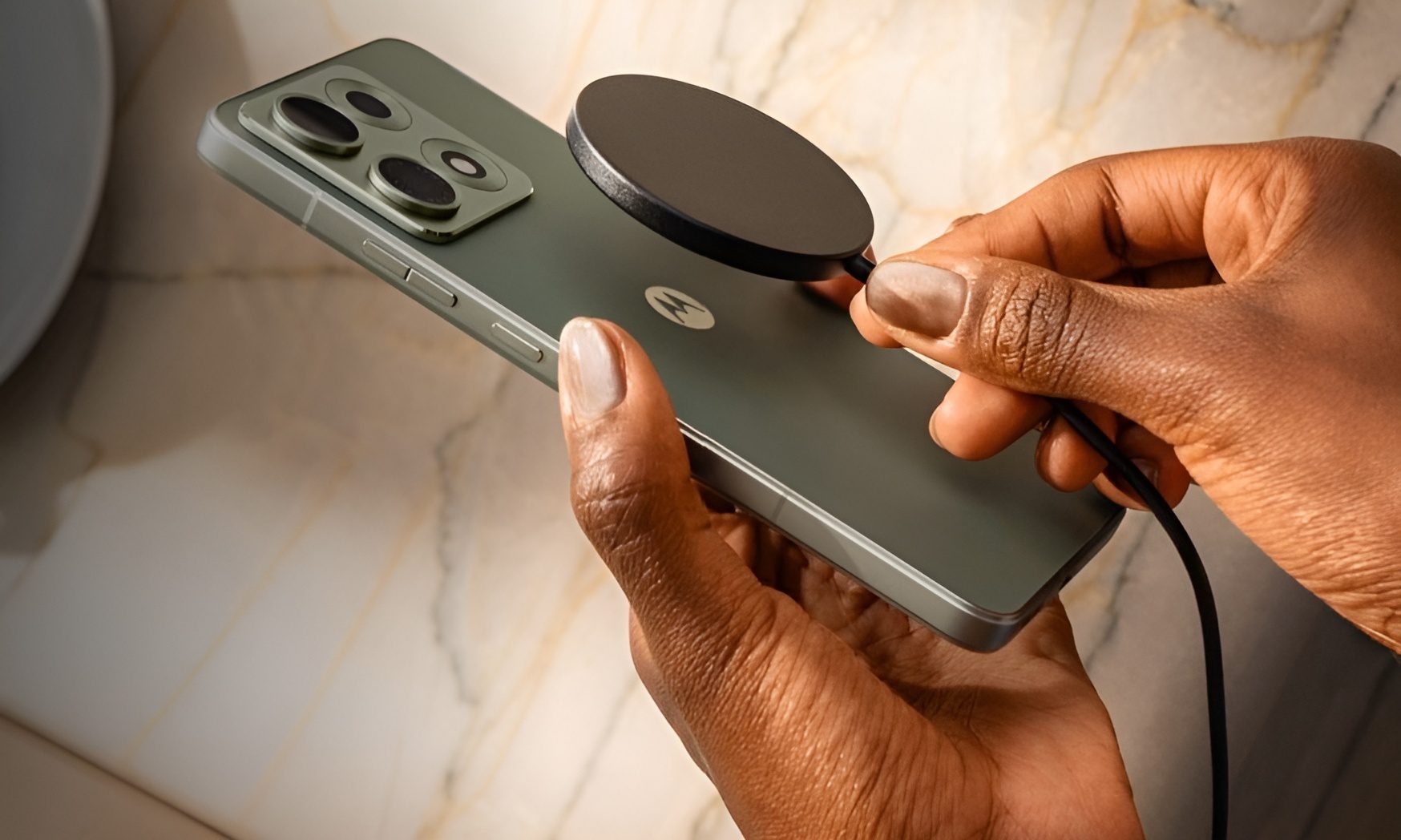
Motorola Edge 70 Max is next in line with magnetic charging
Motorola Edge 70 Max with a magnetic charger

Motorola could be adopting Qi2 wireless charging technology, joining Google Pixels and Apple iPhones for magnetic charging support. While Android's Qi2 rollout has been oddly frustrating, the company's upcoming Edge phone could be the first to bring it to a non-flagship model.

A Wireless Power Consortium listing has revealed the Motorola Edge 70 Max, while another leak has revealed more details regarding its specs and features. We also get a look at some of the leaked promo material that shows magnetic Qi2 in action.

Read more
Google starts testing Gmail Live, its new voice search tool for your inbox
The feature lets you ask questions about your inbox with your voice and is set to roll out later this summer.
Gmail Live screenshot on gradient background

At I/O this year, Google showcased Gmail Live, a new Gemini-powered feature that lets users search their inbox using their voice instead of typing. The feature has now moved into testing, with 9to5Google reporting that it's rolling out to a small group of Android and iOS users this week.

How Gmail Live works

Read more
Apple and Google sat for discussions to unlock 50W wireless charging for smartphones
Wireless Charger

The next major leap in wireless charging may not come from a flashy smartphone launch, but from behind closed doors where some of the biggest names in the tech industry are working together, according to an ITHome report.

Apple, Google, Xiaomi, and several other leading technology companies recently gathered in Beijing for the Wireless Power Consortium's (WPC) Qi Off-cycle Meeting, where discussions centered around the upcoming Qi 50W wireless charging standard. The four-day event, hosted by Xiaomi, focused on refining technical specifications, testing prototype hardware, and ensuring devices from different brands can work seamlessly together.

Read more