1. Home
  2. Phones
  3. Android
  4. Business
  5. Mobile
  6. News

LG bootloop legal saga ends with offer to customers of cash or a rebate

Add as a preferred source on Google

LG’s bootloop legal troubles may have finally come to a conclusion, with LG agreeing to make amends to device owners who were affected by the notorious bug that rendered many devices inoperable.

The infamous bootloop befell many of LG’s premium handsets, with devices becoming stuck in a never-ending cycle that initiated on a reboot and continuous loop through the start-up process, hence the name “bootloop.” There were reports that owners of multiple LG-built phones had been affected by the bug, with the LG G4, G5, V10, and V20 being among the group of flagship phones that were susceptible to the bug. The LG-made Google Nexus 5X was also liable to catching the bootloop-sniffles, and getting caught in a bootloop would often mean the end of your device, as there seemed to be no way to fix it as the part that was needed to fix the phone had been previously discontinued and could not be sourced.

Recommended Videos

Despite LG offering to refund owners who brought certain complaints, the continued issue obviously didn’t sit well with consumers, who weren’t fans of using their multiple-hundred dollar phone as a paperweight, and a class action lawsuit was filed in March 2017 on behalf of affected LG G4 and V10 owners. This was later amended the following April to also include the G5, V20, and Nexus 5X.

That lawsuit has finally ended with a generous settlement for anyone who signed up to be a part of the action, with LG agreeing to pay out either $425 in cash, or a $700 rebate toward the cost of a new LG device. The rebate is obviously more generous, but despite the lack of the bootloop in more recent LG phones, you have to wonder how many of the affected consumers will be able to trust an LG-built device again, even if the latest models are pretty good.

Only consumers who joined the lawsuit before it was settled will be able to claim the refund or rebate, and will be contacted before February 12. If you’re experiencing a bootloop on any of the affected phones and didn’t join the lawsuit, then you may be out of luck — though it’s possible that LG may extend a similar deal if you contact support with details.

Mark Jansen
Former Mobile Evergreen Editor
Mark Jansen is an avid follower of everything that beeps, bloops, or makes pretty lights. He has a degree in Ancient &…
TSMC might set up a price hike that could come straight for your next phone, laptop, or tablet
Here's what TSMC's rumored 10% chip price increase actually means in dollar terms, and why your next phone or laptop could end up costing more.
TSMC Fab

My wallet flinched the second I saw the words "TSMC" and "price increase" in the same headline, and honestly, yours should too.

Turns out the company behind the silicon powering basically every flagship device out there, including Apple’s A-series and Qualcomm’s Snapdragon processors, is reportedly about to make all of it a little pricier.

Read more
Samsung’s free storage doubling for preorders is gone in Austria, and the replacement isn’t as sweet
Samsung's free storage doubling deal might just be history.
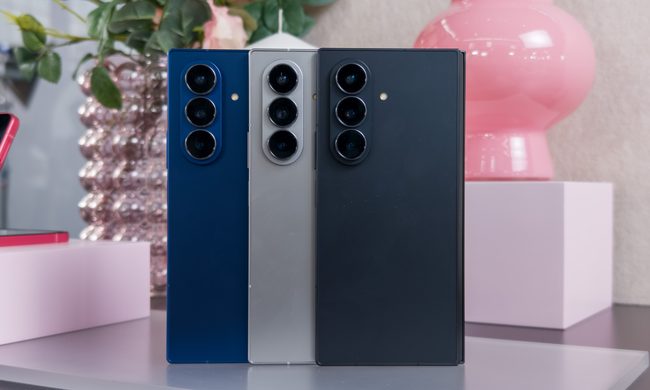
The back of the Galaxy Z Fold 7

If you've pre-ordered a Samsung foldable purely for the free storage bump, tomorrow's Unpacked event might sting a little.

For years, pre-ordering a new Galaxy meant automatically getting double the storage at no additional charge. Buy the 128GB model, walk away with 256GB for the same price. The same applied to the 256GB and 512GB models. However, that might change at the upcoming Galaxy Unpacked event. 

Read more
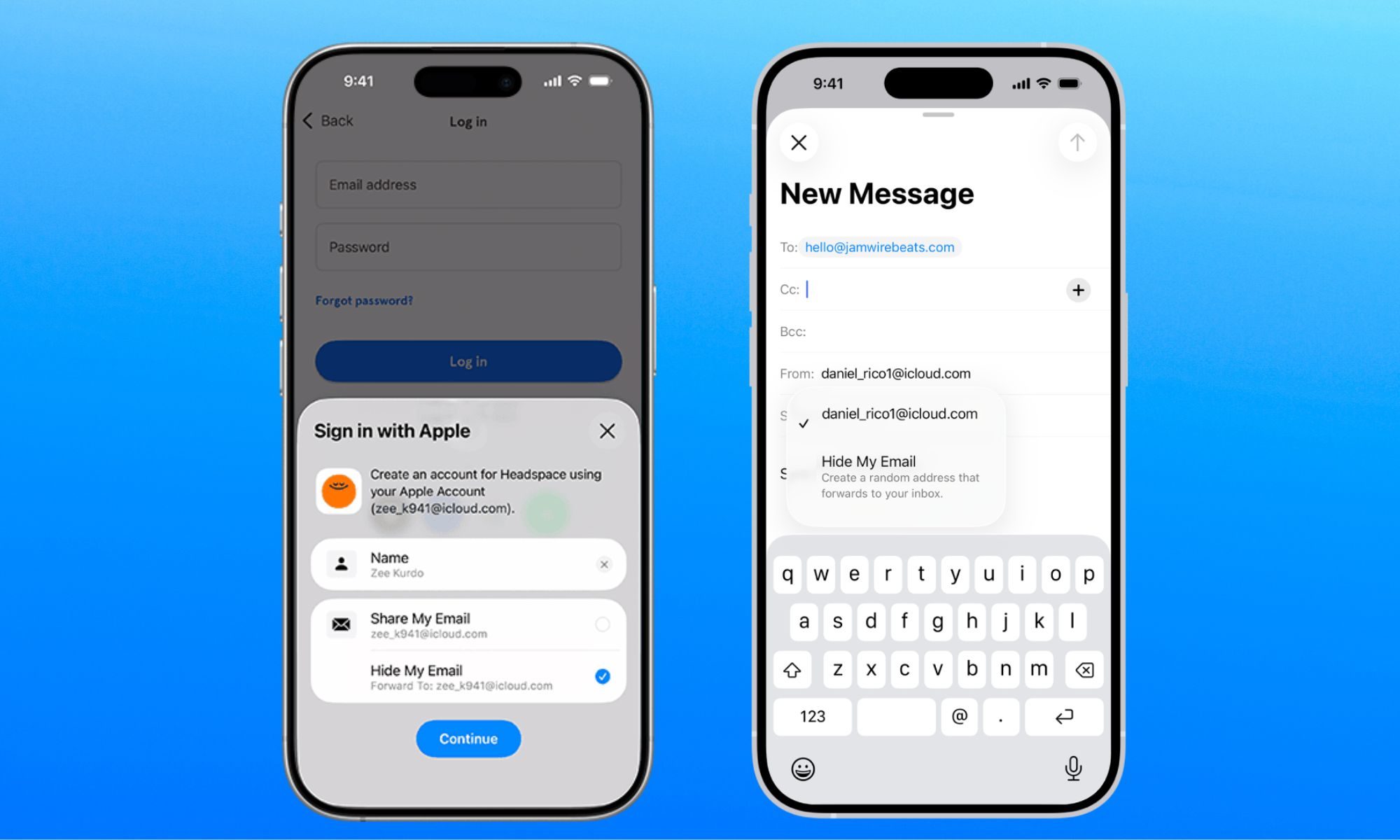
Apple fixes Hide My Email bug that exposed users’ real email addresses
Here's how Apple's Hide My Email flaw leaked real addresses for over a year, and why it only got fixed once the story went public.
apple-merging-sign-in-with-apple-hide-my-email-icloud+

Turns out the "Hide" part of Hide My Email wasn't doing its job quite as advertised, something that I covered early in July. Security researcher Tyler Murphy reported the flaw in June 2025, but despite Apple claiming it was resolved in March 2026, independent tests confirmed it remained exploitable, at least until July 3, 2026.

So how did this bug actually work?

Read more