

Smartphones are often blamed overwhelmingly for ruining the mental health of kids and fostering a wide range of issues such as showing digital addiction patterns or imbibing bad ideas from the internet or games.
As per research, however, smartphone ownership is not always a bad thing. On the contrary, it can be a well-being agent. The study, which was conducted by experts at the University of South Florida, analyzed the smartphone usage habits of 11 to 13-year-old kids.
Smartphones actually do good
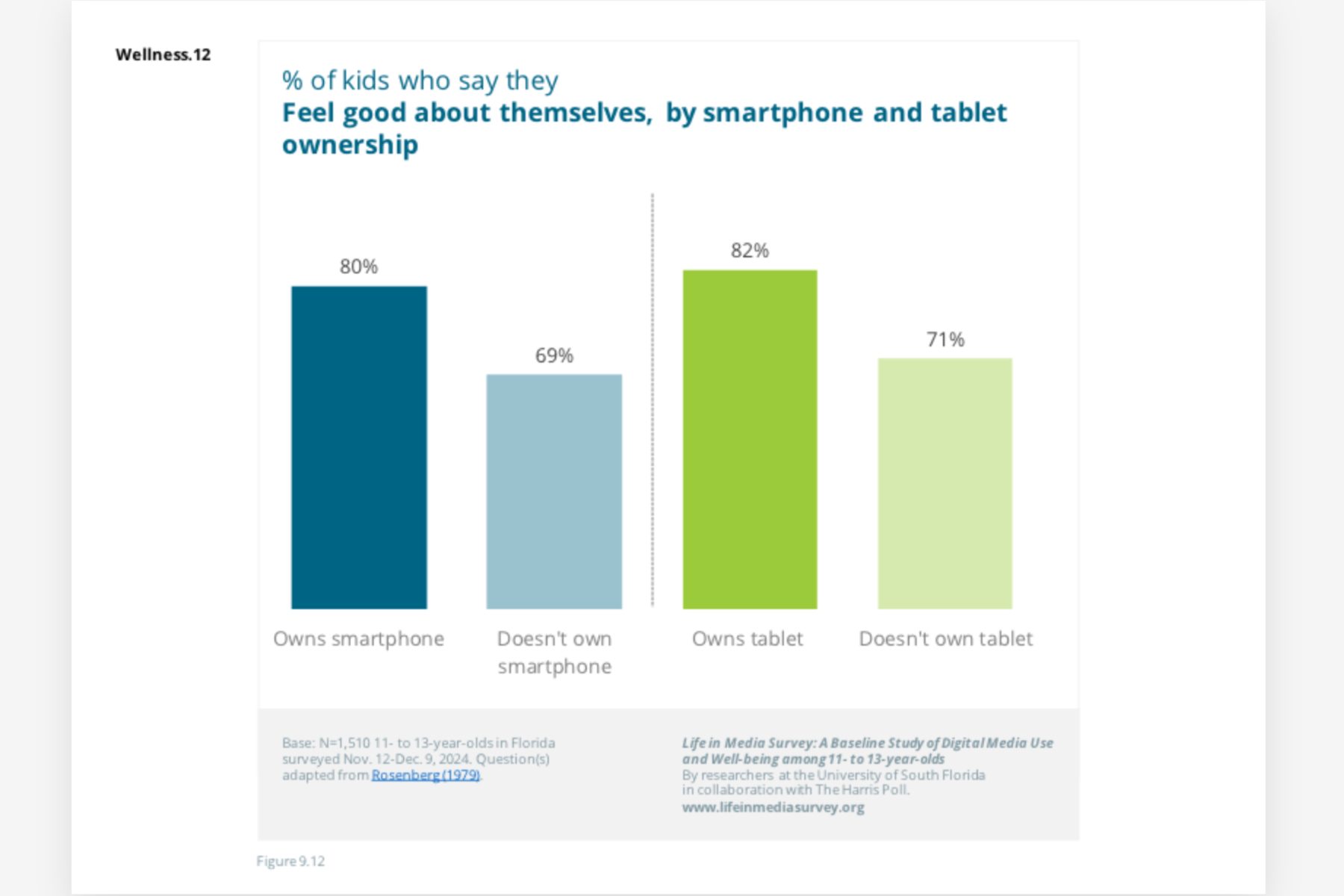
According to the experts behind the study, children who own a smartphone rank higher on well-being metrics and were less likely to show patterns of depression or anxiety. Moreover, they are more engaged with people in their real lives and generally feel better than kids without a smartphone.
As per the expert panel behind the study, which also includes journalists, psychologists, and public health experts, it’s acceptable for kids as young as 11 years of age to own a phone, and that it could actually reap positive outcomes.
“We went into this study expecting to find what many researchers, teachers and other observers assume: smartphone ownership is harmful to children. Not only was that not the case, most of the time we found the opposite – that owning a smartphone was associated with positive outcomes,” said lead researcher, Justin D. Martin.
Despite owning a smartphone, kids also more inclined to engage in activities such as exercise, have in-person interaction with friends, and report higher self-esteem, says Poynter Institute, which was also on the advisory panel.
The 88-page Life in Media survey report will now inform a nationwide study that will last over a span of the next 25 years, while data will be collected on a six-month basis.
Social media is the real harm
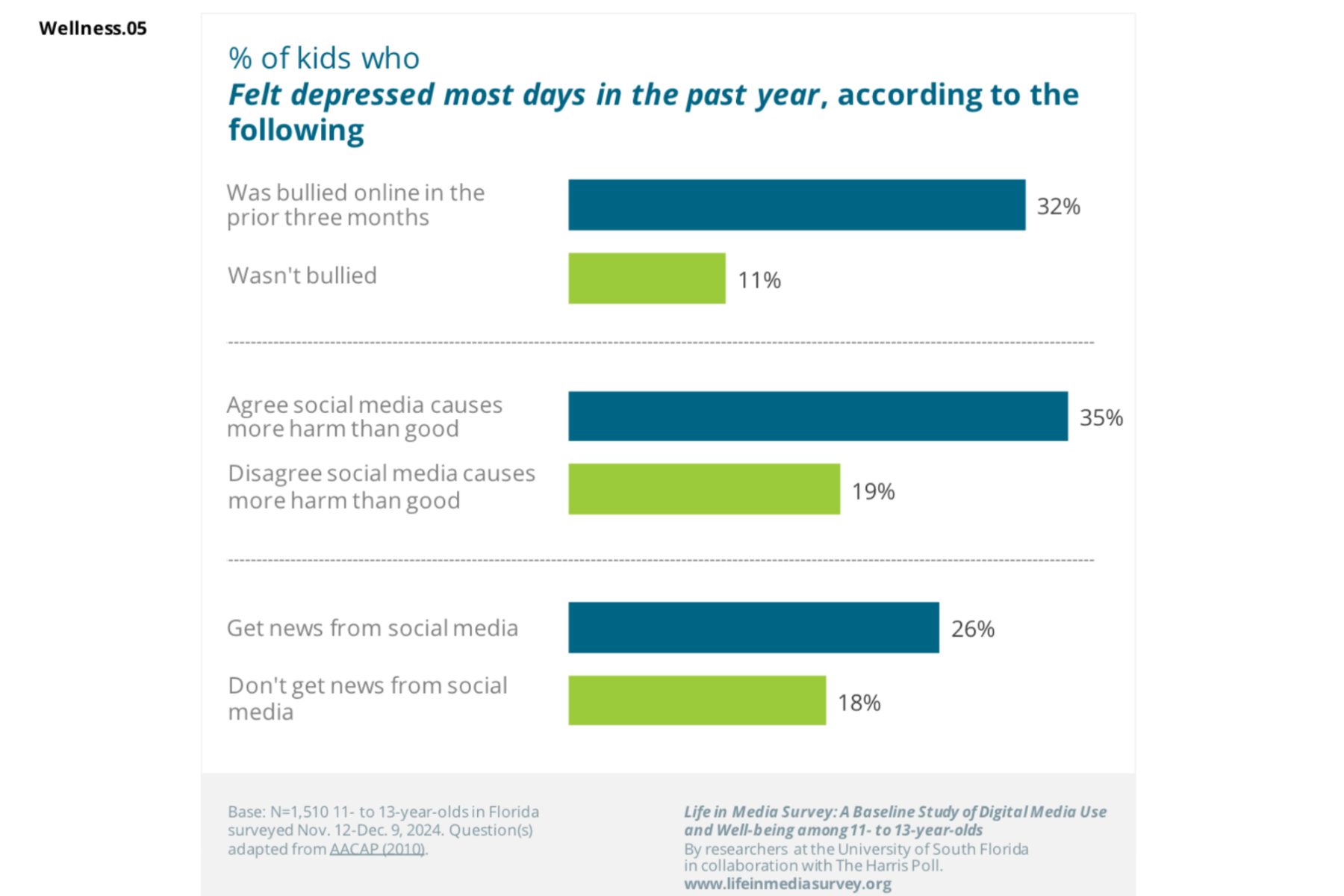
Where the real problem begins is social media. “Children who often post to social media platforms were twice as likely than those who never or rarely post to report moderate or severe symptoms of depression, moderate or severe symptoms of anxiety and having sleep issues,” says the report.
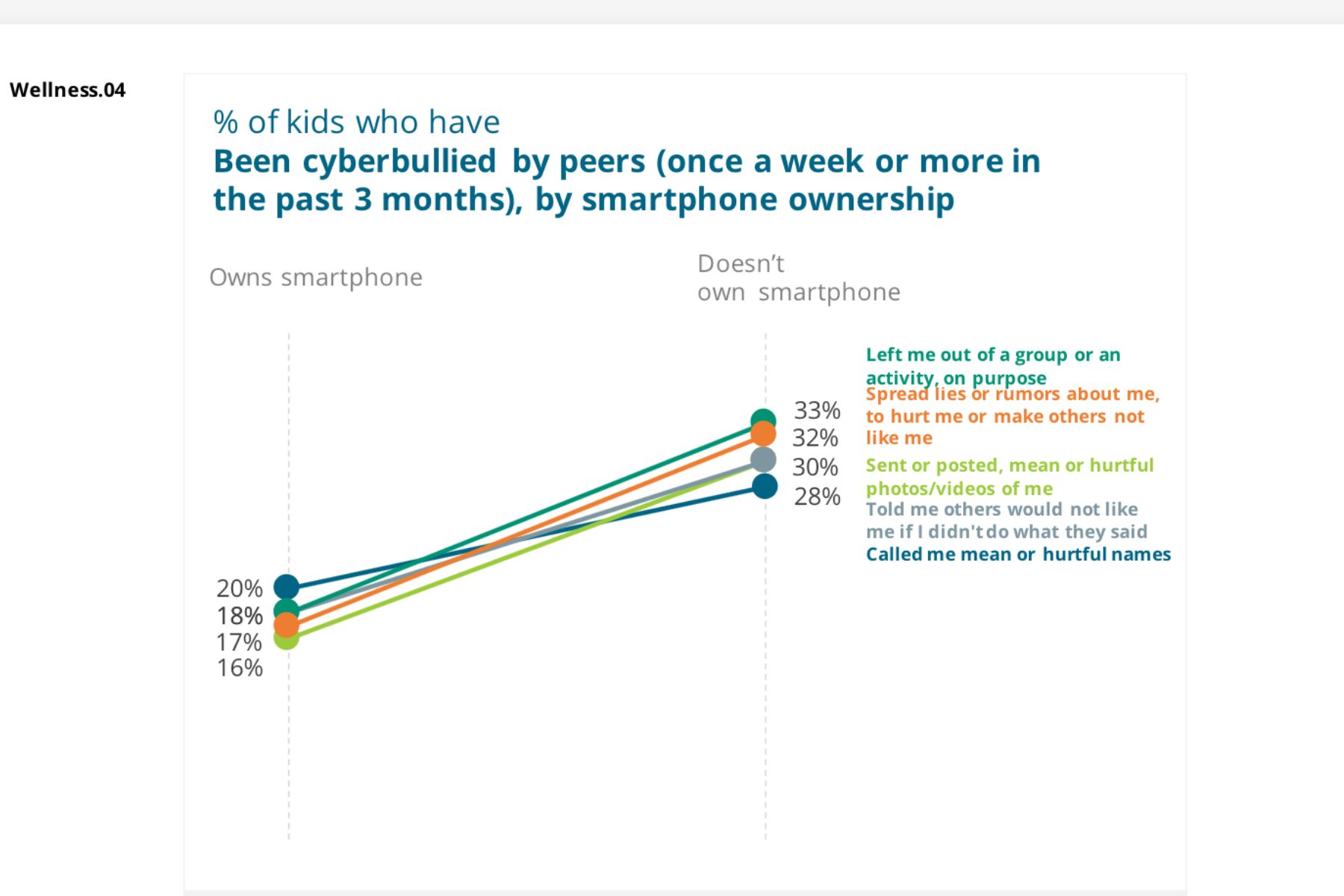
Six out of ten students said they experienced some form of bullying online, triggering signs of depression, emotional stress, and exhibiting addictive patterns. Previous studies have also shown that young users often find it hard to part ways with social media, despite being aware of its negative impact on their academic and personal well-being.
The experts recommend that parents should discourage their children from posting frequently on social media, instead of taking away their phones. Another crucial recommendation is that kids should not be allowed to take smartphones to their beds.
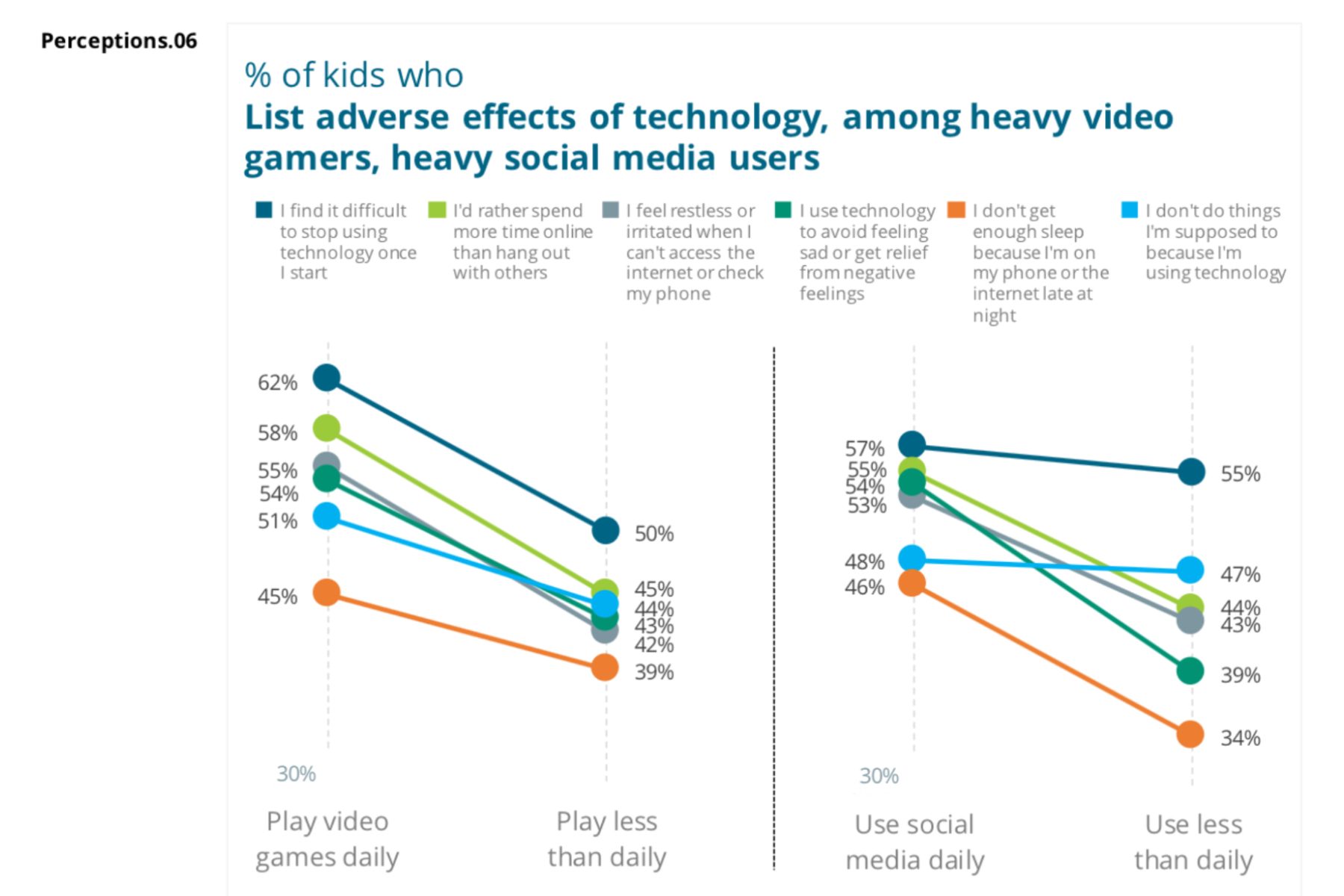
Based on student testimonies, the survey found that kids who take their phones in their bed don’t get enough sleep. Social media usage is to blame here. Children who post on social media get less sleep (8.9 hours vs 9.3 hours) than those who aren’t hooked to posting content online.
Parents should also make use of tools such as remote control with family-linked profiles, parental controls, screen time software, and supervision tools available on phones. Moreover, they are also advised to look for signs of online bullying and harassment, and should take adequate supportive action. Research says taking small breaks can also be immensely helpful.


