  1. Home
  2. Mobile
  3. Legacy Archives

Verizon addresses Galaxy Nexus signal strength complaints, fix coming

Add as a preferred source on Google

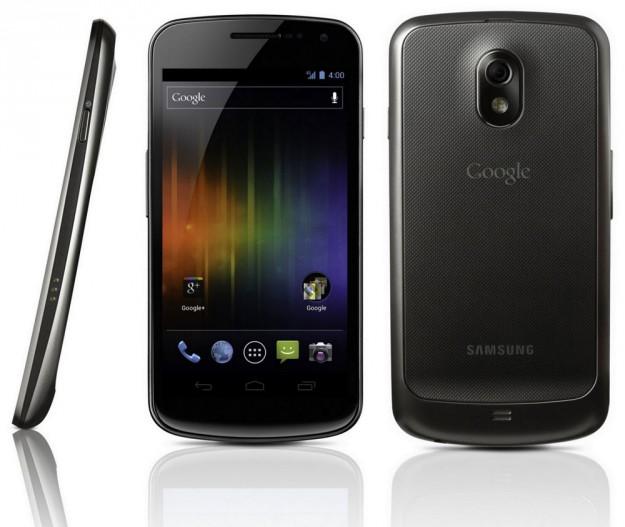
Samsung-Galaxy-Nexus-625x527Verizon Wireless’ LTE version of the U.S. Samsung Galaxy Nexus launched last week after much anticipation, and in a short amount of time, reports have begun piling on of users experiencing subpar signal strength in comparison to other LTE devices. However, Verizon has officially confirmed the problem, and has promised a future fix.

Over the weekend, users claimed inconsistent signals which flashed varying 4G LTE service bars in neighborhoods. Verizon officially responded to those complaints this week, confirming the signal problem on the Verizon support Twitter account. Verizon assured users that the issue was being investigated and a software update was being developed, though the company couldn’t give a definite ETA on the fix.

Recommended Videos

On Wednesday, Verizon spokeswoman Brenda Raney clarified the company’s position on the new Android 4.0 smartphone’s problems

“There is no issue with the performance of the device. There is a difference in the way the signal is translated into bars on the Samsung Galaxy Nexus compared to other smart phones. A future software update will adjust the signal strength indicator to more closely match other Verizon Wireless devices.”

So, to reiterate, Verizon is saying that it’s a translation problem, not a strength problem. They are saying strength is just dandy. The Verizon spokeswoman did not give a concrete date for when the updated would arrive, though Computer World points out that a few Verizon service reps have been pointing towards an arrival in January.

Prior to last week’s launch, great anticipation had been built up over the Google’s Galaxy Nexus as Verizon kept the launch date for the U.S. close to its chest. Worse, consumers were subject to the Galaxy Nexus being paraded around in other countries such as Canada and the UK.

Jeff Hughes
Former Digital Trends Contributor
I'm a SF Bay Area-based writer/ninja that loves anything geek, tech, comic, social media or gaming-related.
The best phones in 2026: our 14 favorite smartphones right now
We tested phones across all price brackets so that you can make the best pick based on your needs and budget.
Google Pixel 10 Pro Fold vs Galaxy Z Fold 7 cameras

Choosing the right smartphone in 2026 is no easy task. Apple and Android manufacturers now have strong options at almost every price, while better cameras, longer battery life, improved software support, new AI features, and more refined foldable designs have made the market more competitive than ever. But picking one is not easy, especially if your budget is tight, or you are just legitimately concerned about getting the best value for your money and need a reliable daily driver for long-term usage.

We have tested and compared the leading smartphones available today, looking beyond the spec sheet to see how they actually perform in daily use. Camera quality, battery life, performance, display quality, software, design, and long-term value all play a part in our recommendations. Whether you are looking for a powerful flagship, a dependable budget phone, a compact device, or a foldable, this guide should help narrow down your choices.

Read more
Snapchat Planets Meaning: Order, Rankings, and How Friend Solar System Works
Snapchat Planets turns your best friends list into a solar system, and yes, your orbit says a lot
Snapchat Planets being shown on the Snapchat app on iPhone.

Snapchat+ includes several exclusive features, but few have generated as much curiosity as Snapchat Planets. Part of the app's Friend Solar System, it transforms your Best Friends list into a planetary ranking, assigning each of your top eight friends a planet based on how often you interact.

From Mercury, which represents your closest friend, to Neptune, which represents your eighth closest, the system offers a quick visual snapshot of your interactions. But what do the different planets actually mean, and how does Snapchat decide who gets which one?

Read more
How to use WhatsApp Web
We'll show you how to use WhatsApp on your desktop or laptop
WhatsApp Web

As one of the most popular messaging services, you’ve already heard of WhatsApp. From its humble beginnings in 2009—two years before Apple introduced iMessage—to its acquisition by Facebook (now Meta) in 2014, WhatsApp has become the dominant messaging platform around the globe.

In recent years, it's grown even more potent with new features like video messages, self-destructing voice messages, the ability to edit sent messages, and more. We even finally got an WhatsApp iPad app in May 2025.

Read more