1. Home
  2. Entertainment
  3. Legacy Archives

Rdio pulls the plug on its Vdio movie service

Add as a preferred source on Google

Music streaming platform Rdio only launched its movie and TV spin-off Vdio back in April, but it has already decided that enough is enough. The company has announced it is shutting down Vdio with immediate effect, and is dishing out Amazon gift cards as compensation for any content you might have purchased.

“Despite our efforts, we were not able to deliver the differentiated customer experience we had hoped for, and so Vdio is now closed,” the company said in an email to users who had signed up. “We want to thank you for trying Vdio, and we wish you a very happy New Year.”

Recommended Videos

It seems the heavyweight offerings from Netflix, Hulu and Amazon were just too well-established for Vdio to make a dent, though the service adopted a pay-as-you-go model along the lines of iTunes or Google Play rather than the flat rate subscription option used by Rdio. If you have any questions about your Vdio account, you can reach the support team via help@vdio.com.

Rdio announced layoffs last month as it looks to stay competitive in the music market against the likes of Spotify and Deezer. There has been some positive news for the company too, though: it expanded into 20 new territories a couple of weeks ago, and now offers a free plan alongside the paid subscription options.

In the time we spent with Vdio we found it to be very similar to Rdio: speedy, reliable, peppered with useful social discovery features, and compatible with any modern Web browser (no extra software required). The content was decent enough, but it would seem that Vdio didn’t attract enough users to be a viable proposition in 2014.

David Nield
Former Contributor
Dave is a freelance journalist from Manchester in the north-west of England. He's been writing about technology since the…
Christopher Nolan’s personal take on smartphones is surprisingly practical
Christopher Nolan says not owning a smartphone helps him think better
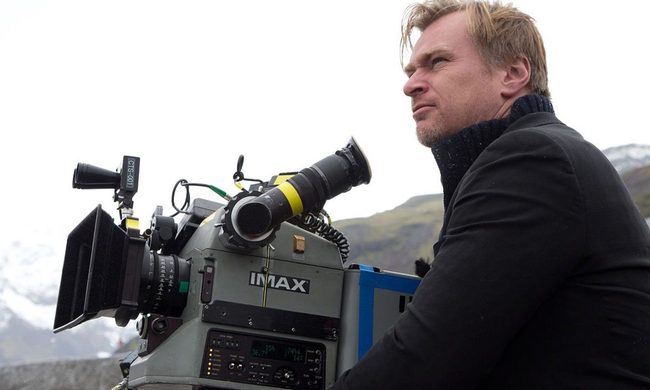
Christopher Nolan sits in front of an IMAX camera.

Christopher Nolan has spent his career embracing cutting-edge filmmaking technology while resisting one of the most common gadgets on the planet: the smartphone. The Oscar-winning director behind Oppenheimer, Inception, and the upcoming The Odyssey says his decision isn't about rejecting technology altogether. It's about protecting something he believes has become increasingly rare - time to think.

In an interview with The Telegraph ahead of the premiere of The Odyssey, Nolan explained that he still doesn't own a smartphone, despite living in a world where QR codes, digital tickets, and messaging apps have become everyday necessities. His reasoning, however, is far more practical than philosophical.

Read more
Letterboxd could find a new home at Netflix, but Sony is fighting for it, too
Netflix wants Letterboxd, but Hollywood isn't letting it go without a fight
Letterboxd

Letterboxd, the fast-growing social network for film lovers, could soon have a new owner. According to a report by Puck News, the New Zealand-based platform has been exploring a potential sale, attracting interest from several major entertainment companies, including Netflix, Sony Pictures Entertainment, and Paramount Skydance.

While no deal has been confirmed, the discussions highlight how valuable online fan communities have become as streaming platforms compete not just for viewers, but also for the audiences that influence what people watch next.

Read more
Disney+ is exploring a free tier to fight back against YouTube’s growing TV dominance
Disney is eyeing a free tier as YouTube keeps stealing its TV audience
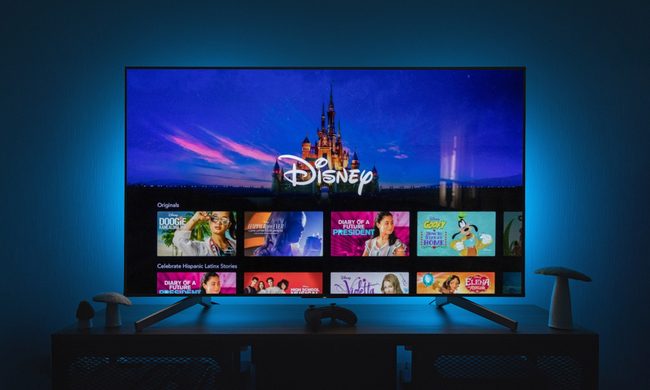
The Disney+ app on a TV screen while blue lights illuminate the wall behind.

Watching Disney+ without paying for a subscription could eventually become an option. According to Business Insider, Disney is considering a free tier that would let people watch some content without a paywall.

The idea is still in the early stages, with no timeline or launch details, but it reflects a growing challenge. YouTube and other free, ad-supported platforms like Tubi and Roku are attracting more TV viewers, forcing streaming services to rethink how they compete.

Read more