1. Home
  2. Phones
  3. Apple
  4. Mobile
  5. News

It took a lawsuit for Apple to consider an iPhone repair center in Russia

Add as a preferred source on Google

If you are an iPhone user who lives in Russia, you have a lawsuit to thank if Apple decides to open an iPhone repair center there, Apple Insider reports.

Russian resident and iPhone owner Dmitry Petrov originally launched his lawsuit not only against the Cupertino-based company, but also against Apple Stores and service companies. Petrov damaged his iPhone screen and found that, because there is no iPhone repair center in Russia, his options to repair the screen were extremely limited — Apple devices that have a damaged screen are neither fixed or replaced, according to letters reported by The Moscow Times. However, customers are issued new devices from service centers if their previous devices break down.

Recommended Videos

For his part, Petrov refused to have an outside provider exchange his already warrantied iPhone, have the device exchanged for a new one, or have an outside center service the phone for up to $469 in extra fees.

As such, Petrov accused Apple of violating consumer protections laws, since the company did not provide a means to acquire spare parts for repairs. As a result of the lawsuit, Apple is reportedly considering building an iPhone repair center in Russia, which could reportedly cost the company anywhere between $1 million and $2 million.

The reason why it is a pricey venture is fixing an iPhone’s screen is not as simple as just replacing the screen, according to the letters. Apple will need to utilize “big and expensive equipment” in order to conduct what is reported as a complex calibration procedure, a procedure that needs access to iOS.

As costly as it may be, building an iPhone repair center might be Apple’s ticket to increased market penetration in Russia. As things stand now, Apple has 17 percent of the Russian phone market. Building an iPhone repair center will theoretically increase brand loyalty, since Apple will have created a complete cycle of iPhone care and production that the company oversees from beginning to end. Having customers know that they are taken care of by the company that made their products will push them more toward that company, thus increasing the number of customers.

Williams Pelegrin
Williams is an avid New York Yankees fan, speaks Spanish, resides in Colorado, and has an affinity for Frosted Flakes. Send…
TSMC might set up a price hike that could come straight for your next phone, laptop, or tablet
Here's what TSMC's rumored 10% chip price increase actually means in dollar terms, and why your next phone or laptop could end up costing more.
TSMC Fab

My wallet flinched the second I saw the words "TSMC" and "price increase" in the same headline, and honestly, yours should too.

Turns out the company behind the silicon powering basically every flagship device out there, including Apple’s A-series and Qualcomm’s Snapdragon processors, is reportedly about to make all of it a little pricier.

Read more
Samsung’s free storage doubling for preorders is gone in Austria, and the replacement isn’t as sweet
Samsung's free storage doubling deal might just be history.
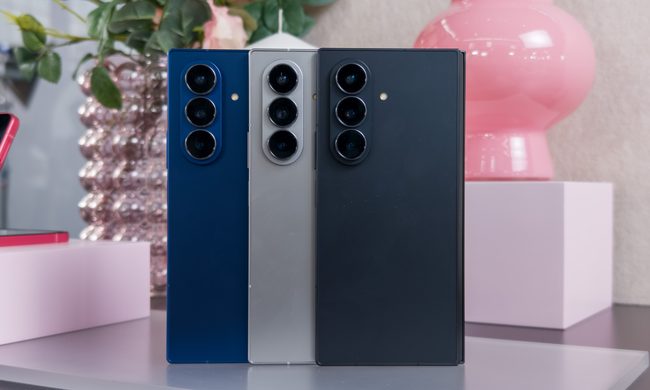
The back of the Galaxy Z Fold 7

If you've pre-ordered a Samsung foldable purely for the free storage bump, tomorrow's Unpacked event might sting a little.

For years, pre-ordering a new Galaxy meant automatically getting double the storage at no additional charge. Buy the 128GB model, walk away with 256GB for the same price. The same applied to the 256GB and 512GB models. However, that might change at the upcoming Galaxy Unpacked event. 

Read more
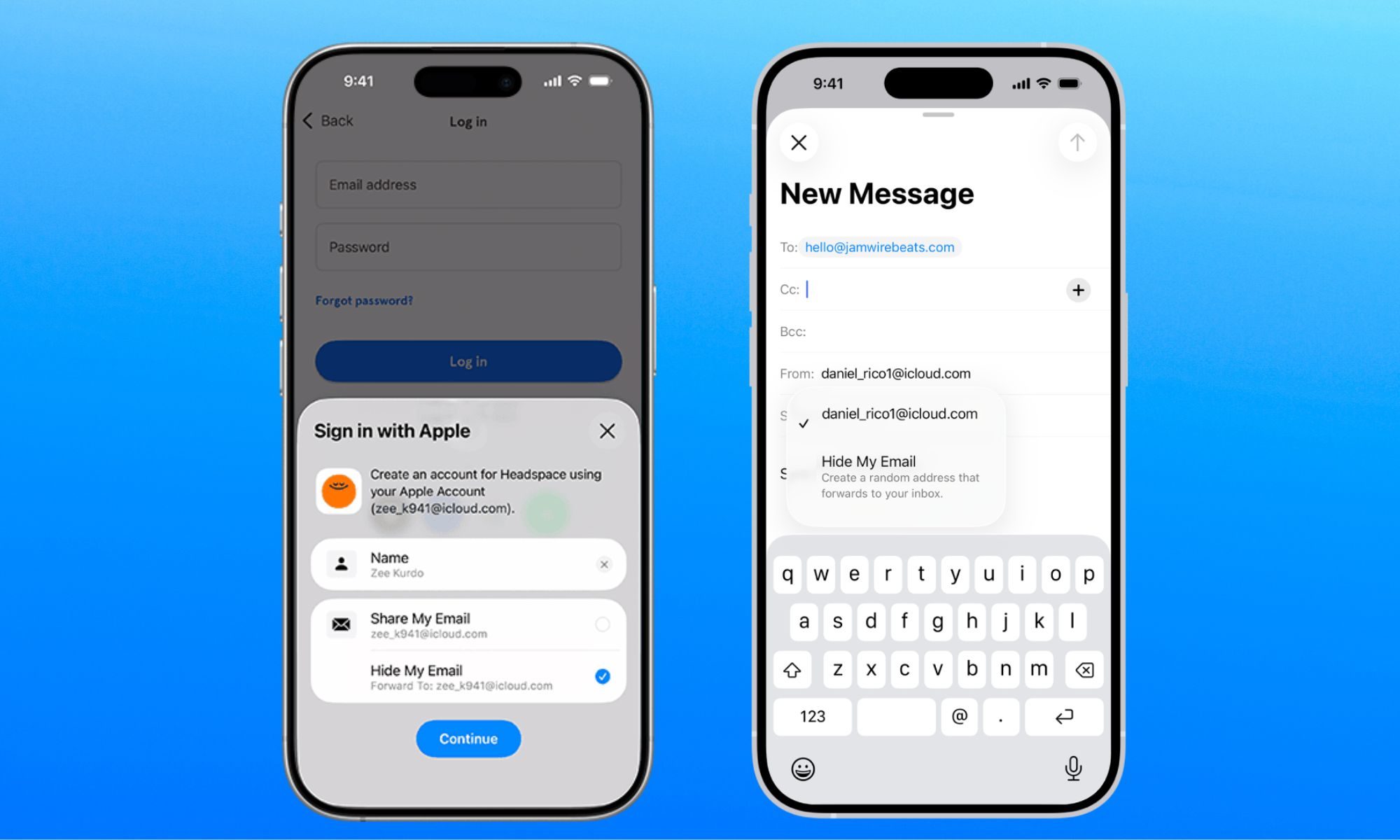
Apple fixes Hide My Email bug that exposed users’ real email addresses
Here's how Apple's Hide My Email flaw leaked real addresses for over a year, and why it only got fixed once the story went public.
apple-merging-sign-in-with-apple-hide-my-email-icloud+

Turns out the "Hide" part of Hide My Email wasn't doing its job quite as advertised, something that I covered early in July. Security researcher Tyler Murphy reported the flaw in June 2025, but despite Apple claiming it was resolved in March 2026, independent tests confirmed it remained exploitable, at least until July 3, 2026.

So how did this bug actually work?

Read more