It’s time to celebrate the app store. Not just Apple’s App Store, but Google Play too. They are digital toy shops, full of wonders and joy, available to everyone who walks through the virtual door. When you’re inside you feel safe and secure, everything is in place for you to quickly pay for all your new things, so you walk away happy and satisfied.
App stores are the lifeblood of our smartphones, and trust me — you don’t want to know what it would be like without them. But let’s imagine it for a moment because there has been a lot of noise over the past few days about app stores being bad places. Don’t listen, because this is only true if you’re a billionaire wanting to become, er, more of a billionaire.
Confidence and convenience

When you download an app on your iPhone you visit the App Store. The apps inside are current, curated, and — best of all — safe. You pay using Apple’s payment platform, using credentials that are securely stored and encrypted, and authorized using your face or fingerprint. Like me, you probably don’t think twice about doing it, just as you don’t worry whether the app you’re downloading is genuine or not.
When it’s time to update the app it happens in the background, and if you want to cancel a subscription you know exactly where to find the option. If you have an Android phone you do all this through Google Play, and although you could do it through the separately installed Amazon App Store, Samsung’s Galaxy Store, or one of the various other third-party Android app store options, you probably won’t.
The reason you don’t is the convenience, trust, and confidence in the primary platform, and it’s these reasons developers clamor to get their apps inside these two massive stores. Removing any and all barriers between the app and our phone is essential because it can lead to untold riches if the app becomes a success. To gain entry, the developer agrees to pay Apple, Google, Samsung, and Amazon a certain percentage of the money it earns. These service fees (all are 30% for apps that make over $1 million annually) are the cost of doing business in the app store and are a bit like merchant fees for credit cards, eBay’s cut of a sale, or the amount Uber takes from a fare.
Life outside an app store

Safety, convenience, accessibility, confidence, and speed. Those are some of the prime reasons we use the App Store and Google Play. These are likely the same reasons someone may subscribe to Spotify. It’s by far the world’s most used streaming music service, it has pretty much any song you may want to hear, and the app is well-designed and easily accessible through the aforementioned app stores.
Now, what if these app stores weren’t there, or the app you wanted wasn’t available inside the store? Huawei knows what happens next because, since being locked out of accessing Google Mobile Services, it has been busily building its own app store and mobile service ecosystem. You can try it out on any modern Huawei phone. Except if you’re in the U.S., that is, because you can’t buy one. So much for being given a choice, but I digress.
I’m in the U.K. and can easily buy a Huawei phone and use Huawei’s App Gallery store. Say I want to use Spotify or Twitter on my Huawei phone. Neither is available in the App Gallery, so the store directs you to install an .APK file from another source. From this point, you have to jump through various hoops, agree to various security warnings, and hope the apps are the ones you want and not filled with malware.
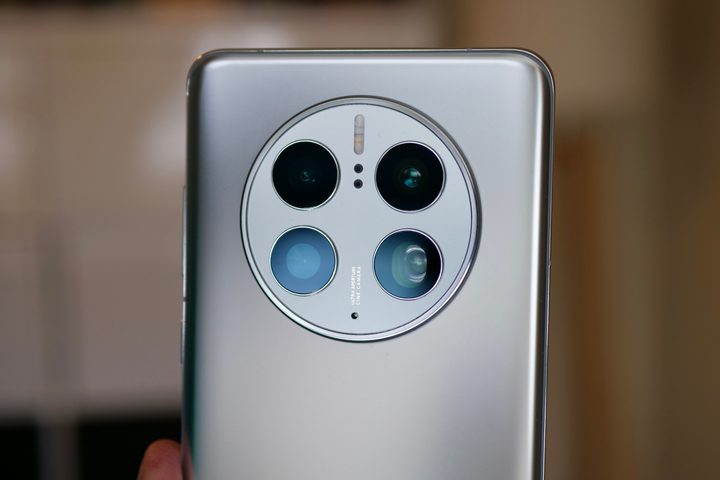
Huawei assures me security isn’t a concern, but the thought of putting payment information into an app downloaded from a mostly unknown source pretty much goes against everything I have learned about the internet since day one. Rightly or wrongly, it feels the opposite of those five reasons stated above. It doesn’t feel safe, it’s not convenient or fast, and it doesn’t inspire confidence. It’s also what life is like if the app you want is not available in the app store you regularly use.
It works, but it’s markedly more frustrating and off-putting than simply getting those apps from the App Store or Google Play. You absolutely don’t want to do it regularly, yet that’s what will happen if Elon Musk gets Twitter kicked out of app stores, or Daniel Ek goes it alone with Spotify, just like Epic Games did with Fortnite. There would be zero benefits to you, regular phone user, as I’m highly doubtful app prices would fall. That’s because it’s not about you — it’s about them making more money. Instead, it’s a future of .APK files, new payment systems to manage, and a whole lot more fiddling about.
App stores work for regular people

Now, I’m not saying the App Store and Google Play are the only way to get apps. I’m also not saying the business practices of Apple and Google are faultless, nor am I saying that developers are wrong to have gripes about the system. Almost all of these issues are business problems, but recently big players (including Twitter and Spotify) have been trying to mobilize you, the consumer, to help change them by shouting about choice, tax, fairness, and that hoary old chestnut of free speech.
What’s important to remember when the billionaire CEOs of these companies get all sweaty, is what the app stores they’re rallying against do for you. It’s all very well saying you’re going to build a competing phone, or forcing you to download an .APK file to get the game you want — but it all leads to the same place Huawei has (somewhat unwittingly) found itself in, where finding certain apps isn’t as easy, safe, and convenient for the consumer as it once was.
I don’t really want to mess around finding apps, questioning the source, endlessly entering login and payment details to multiple sites, or wondering if it’ll still work when my phone’s operating system gets updated. I don’t really want to change my phone either, just because an app I like has made life difficult. I’m sure you don’t either, especially as the only people it really benefits are the billionaires who became billionaires by having apps available in popular app stores.
There are undoubtedly alterations that can be made to the way app stores do business which will improve and be mutually beneficial to both operators and developers, but none should be at the expense of how they work for us, the end customers. At the moment, they work really well, so don’t forget this the next time you read about how bad they supposedly are.