Border police in a remote region of China have begun to install surveillance apps on the phones of travelers that extract emails, texts, contact information, and more.
Visitors coming into the Xinjiang region have found the spyware on their phones, The Guardian reports. Border guards will force tourists to unlock their phone, then take the phones away to install an app that extracts information, according to the report. The guards then return the phones without telling users about the app.
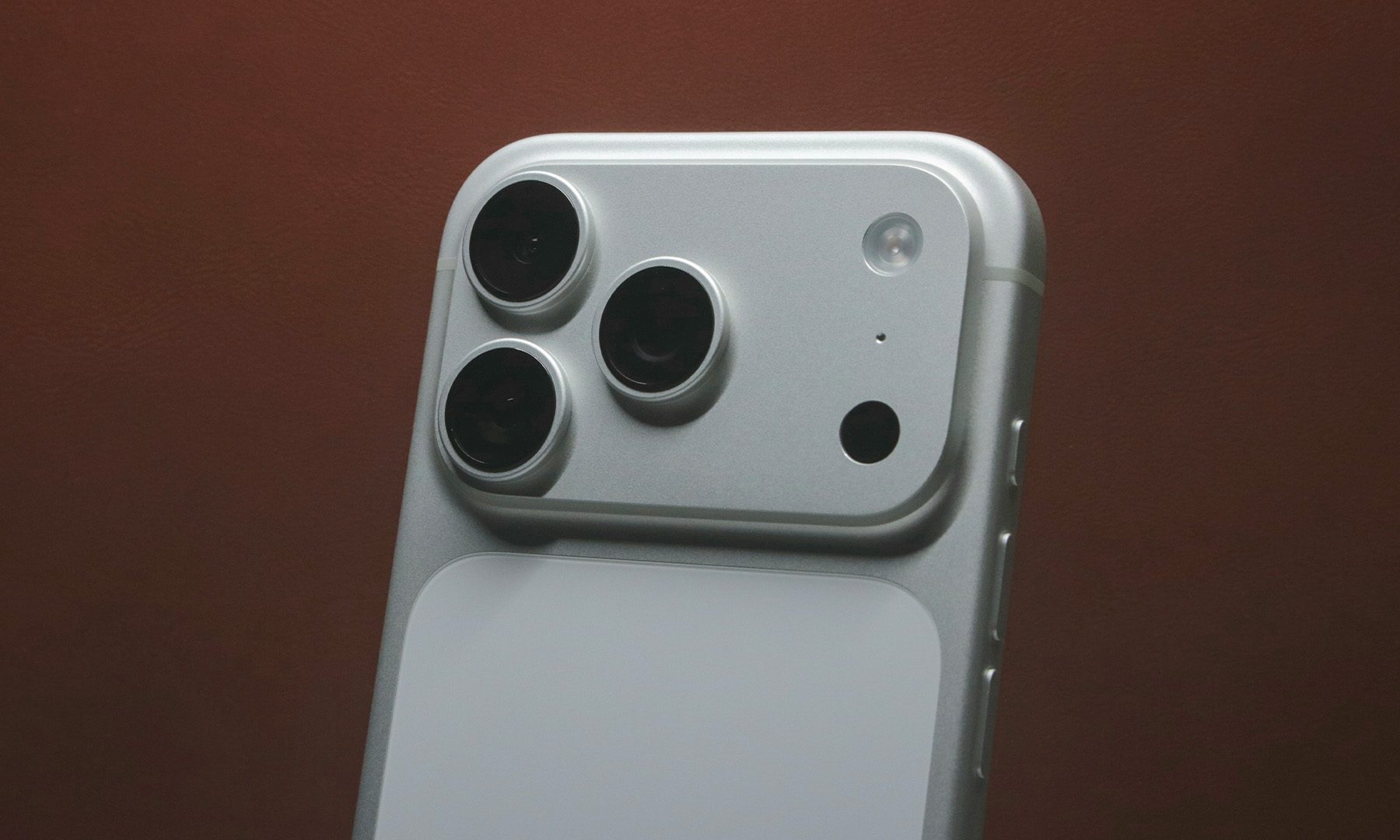
Tourists have discovered the app on Android phones, but travelers have also reported that border officers have scanned their iPhones by plugging them into a reader.
The Chinese-designed app searches phones for content that the country’s authorities would view as problematic, such as Islamist extremism. Other material the app reportedly scans for include searches for fasting during Ramadan and even literature from the Dalai Lama.
While most travelers who have their phone returned no longer see the app, some are reporting that it’s still installed in their phone after receiving it, which raises suspicions that border police could be using the app to track visitors after they cross into Xinjiang from Kyrgyzstan.
Chinese authorities have used surveillance apps and facial recognition to spy on the Uighurs and other Muslim minorities in the region, according to Human Rights Watch. The group says Chinese authorities now hold a million people in “political education” camps.
Edin Omanović from the advocacy group Privacy International told The Guardian that the spyware was “highly alarming in a country where downloading the wrong app or news article could land you in a concentration camp.”
While the Chinese government is known for its strict surveillance practices, especially towards the Muslim community, other countries have followed in China’s footsteps, and even its technology. According to the New York Times, 18 countries are using Chinese-made intelligent monitoring systems for surveillance. These countries include Zimbabwe, Uzbekistan, Pakistan, Kenya, Germany and more.
It’s not quite as bad in the U.S., but American border agents will occasionally attempt to search your digital devices when you enter the country.
The U.S. border patrol cannot force you to unlock your phone or turn over your social media passwords, but they can deny non-citizens entry into the country if they choose not to comply with their requests, according to the New York Times.
Starting in June, visa applicants to the U.S. are now required to submit social media account information from the past five years.
The U.S. government can also pursue warrantless surveillance of U.S. citizens since a bill was signed into law last year.