1. Home
  2. Phones
  3. Apple
  4. Mobile
  5. Web
  6. News

FBI director continues to bemoan encryption measures in consumer devices

Add as a preferred source on Google

A little more than 12 percent of devices are inaccessible to the Federal Bureau of Investigation thanks to encryption — but that number is only going to grow.

Thanks to the likes of Apple and Google, more and more consumer devices are being encrypted by default. That means law enforcement are having a tough time cracking these devices open when they need to for criminal and terrorist investigations.

Recommended Videos

“We are increasingly finding devices … that we can’t open,” FBI Director James Comey said in a keynote speech at the annual Special Operations Forces Industry Conference, according to National Defense Magazine.

It’s not just device makers that are causing problems for the government — services and apps like WhatsApp, which switched on end-to-end encryption for its more than 1 billion users, are allowing people to securely chat without risk of government snooping. That can be a a boon for user privacy, but also a detriment when dealing with criminals and terrorists.

It’s what prompted the Apple vs. FBI encryption war, which began after one of the San Bernardino, California, terrorists left behind a locked iPhone. Apple initially complied with the investigation, but when the company received a court order demanding it create a tool that would provide backdoor access into the iPhone, the Cupertino, California, company refused.

Apple feared the tool would fall into the wrong hands, thereby jeopardizing its customers’ security and privacy. Most of Silicon Valley agreed, along with many privacy groups and human rights organizations that voiced their support for the iPhone maker.

The FBI eventually dropped the case, and a second one in New York, after it found a way to break into those devices thanks to professional “gray hat” hackers it paid “a lot” of money.

Comey recently said the bureau has examined 4,000 devices since October 2015, and has been unable to get into 500 of them due to encryption. Naturally, he said at the conference, the number of inaccessible devices will grow. The FBI director has been a strong proponent for a backdoor into devices and services in order for the government to easily access user data to assist criminal and terrorism investigations.

Julian Chokkattu
Former Mobile and Wearables Editor
Julian is the mobile and wearables editor at Digital Trends, covering smartphones, fitness trackers, smartwatches, and more…
The Light Flip brings back the flip phone, minus the distractions
The company's first flip phone features a T9 keypad, 5G, USB-C, and LightOS instead of addictive apps.
Light Flip Phone Featured

Flip phones are having a bit of a comeback. But most modern versions either feel cheaply made or swap one set of distractions for another. That's exactly what Light says it wants to change with the Light Flip -- its first-ever flip phone and the fourth phone the company has released in the past decade. Staying true to the philosophy behind previous Light Phones, the new device combines a classic clamshell design with a minimalist software experience that helps users stay connected without constantly competing for their attention.

A classic flip phone with modern essentials

Read more
Samsung’s new AI assistant wants to explain what your health data actually means
Your Galaxy Watch collects the clues. Samsung Health Assistant connects the dots.
Samsung Health data screen.

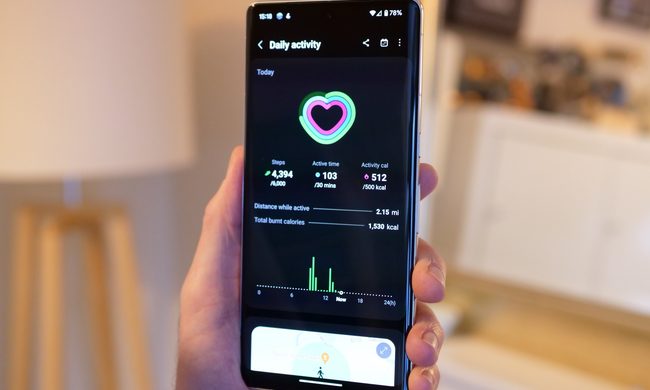
Samsung Health is getting smarter than ever before with its new AI assistant. The Samsung Health Assistant is now available in beta to eligible users in the United States. Built directly into Samsung Health, the conversational assistant can analyze information collected across the app and answer personalized questions about the user’s health and wellness.

Your health charts talk back now

Read more
Apple’s next big iPhone display experiment could be its biggest yet
The company may be testing a 6.96-inch panel for a future flagship, although one leaker’s post is currently the only source for the exact measurement
iPhone 17 Pro Max

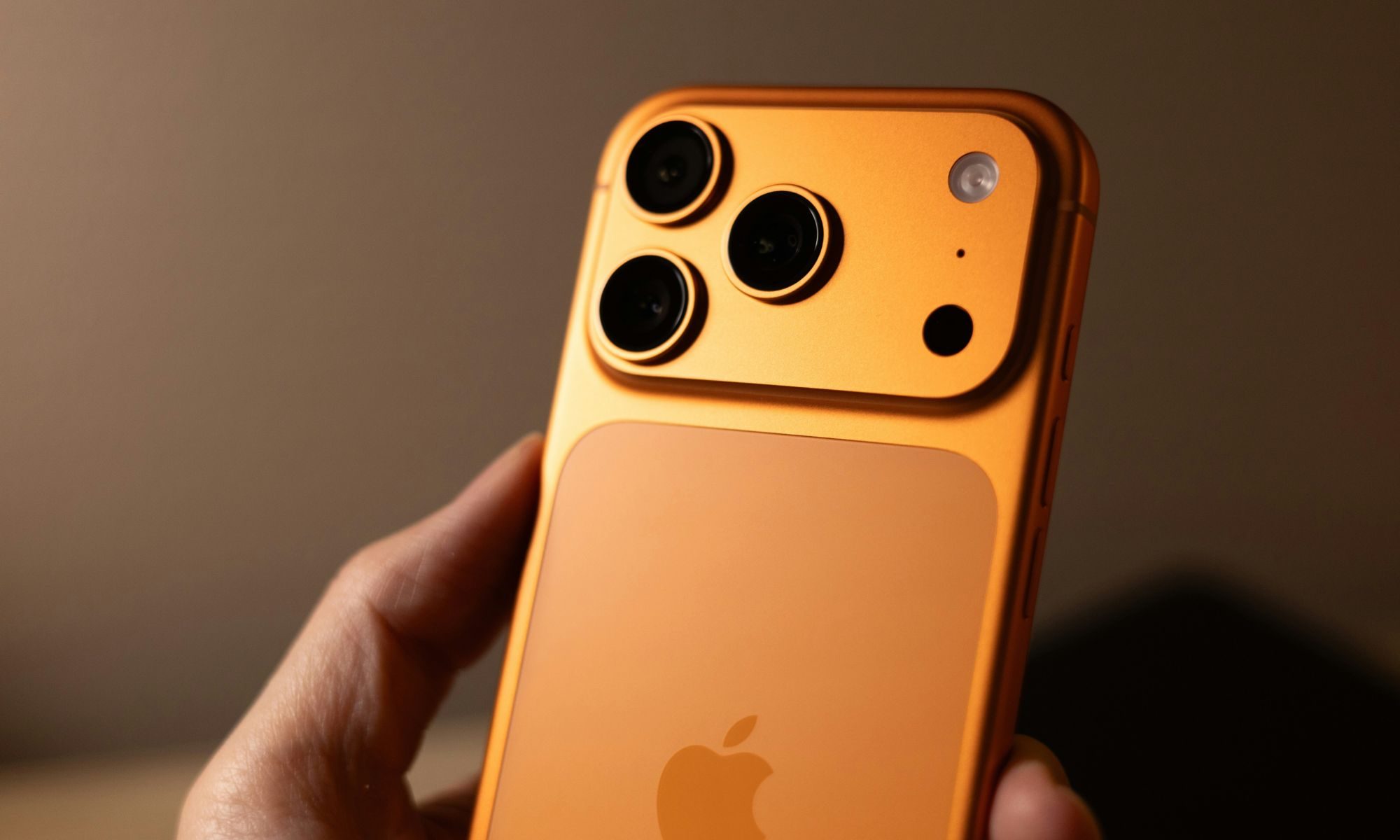
Apple may be testing a 6.96-inch display for a future iPhone, bringing its largest handset within a whisker of the 7-inch mark.

Leaker Digital Chat Station claims the experimental panel retains the same aspect ratio as Apple’s current Pro Max display. The post mentions the iPhone 20 Pro Max as a possible destination, but doesn’t connect the screen to a finished device. Apple could be exploring the size without putting it anywhere near a production line.

Read more