1. Home
  2. Phones
  3. Android
  4. Apple
  5. Mobile
  6. News

Gmail app now lets you send money as an attachment

Add as a preferred source on Google

If PayPal’s Venmo or Google’s Wallet app didn’t suit your style, there’s a new way to beam your hard-earned dollars to roommates, friends, and favorite family members: Gmail. On Tuesday, Google rolled out a money-sending option to the mobile email app on Android and iOS.

It’s as straightforward as it sounds. When you’re composing a message in the Gmail app, tap the attachment icon (i.e., the paperclip in the upper-right-hand corner) and choose the Send money option. Once you’ve entered the amount you wish to gift, selected a funding source, and tap out a memo, and Google’s magical money-changing elves — er, servers — will facilitate the transfer.

Recommended Videos

It’s a fee-free ordeal, and rolling out to U.S.-based Gmail users on iOS and Android starting today.

Sending money via Gmail is sort of old hat, it turns out. At the search giant’s 2013 I/O Developer Conference, Google announced “money as attachments” for Gmail on the web, a feature that lets users age 18 and over transfer up to $10,000 from a linked bank account or credit card to any email recipient. As long as the receiver had Wallet, Google’s payment processing platform, they could withdraw the funds however they saw fit.

The feature’s mobile expansion is aimed at the millions of people who use their smartphones to send money. It’s a skyrocketing market — in January 2016, Venmo handled $1 billion in peer-to-peer transactions, or two and a half times the volume from January 2015 and ten times the volume from January 2014.

Gmail is far from the only way to send money, of course. Facebook lets you tap a debit or credit card to pay friends through Messenger. Square Cash boasts quicker-than-average deposit times for texted funds. And Snapchat’s built-in payments feature lets you send funds to anyone 18 and older.

Google’s own Wallet app is still an option, as well. The app launched initially as a catchall payments platform — until mid-2016, Google offered a physical Wallet card that let users to pay for goods and withdraw money from ATMs. But many of Wallet’s core functions have since been superseded by Android Pay, Google’s contactless payment framework.

Wallet’s not dead yet, though. In August 2016, it gained the ability to transfer funds automatically to an attached bank account. And in November, Google debuted a refreshed Wallet webpage and app with a bigger emphasis on peer-to-peer payments.

Kyle Wiggers
Kyle Wiggers is a writer, Web designer, and podcaster with an acute interest in all things tech. When not reviewing gadgets…
Apple’s lease program is just a soft landing for you to spend on pricier iPhones this year
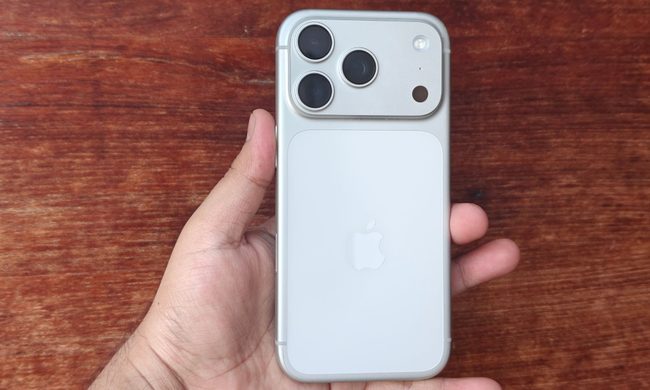
Hand holding iPhone 17 Pro.

A few days ago, Apple introduced a new "Upgrade" program that is essentially a lease program for buying Apple hardware. Instead of paying the full cost up front, you space the monthly installments (12, 24, and 36 month spells), and at the end of the lease period, you can choose to return the device, upgrade to a new one, or pay the remainder cost and keep it forever.

The broad idea is simple. Instead of taking a thousand-dollar hit on the wallet, you space the hit across small monthly payments. For a flagship iPhone, that broadly comes down to a dollar per day, and for budget phones such as the iPhone 17e, it's just half a dollar each day, if you do the breakdown. At least Apple is looking at it that way.

Read more
Pixel 11 leak predicts a weird mix of upgrades and downgrades for a higher price
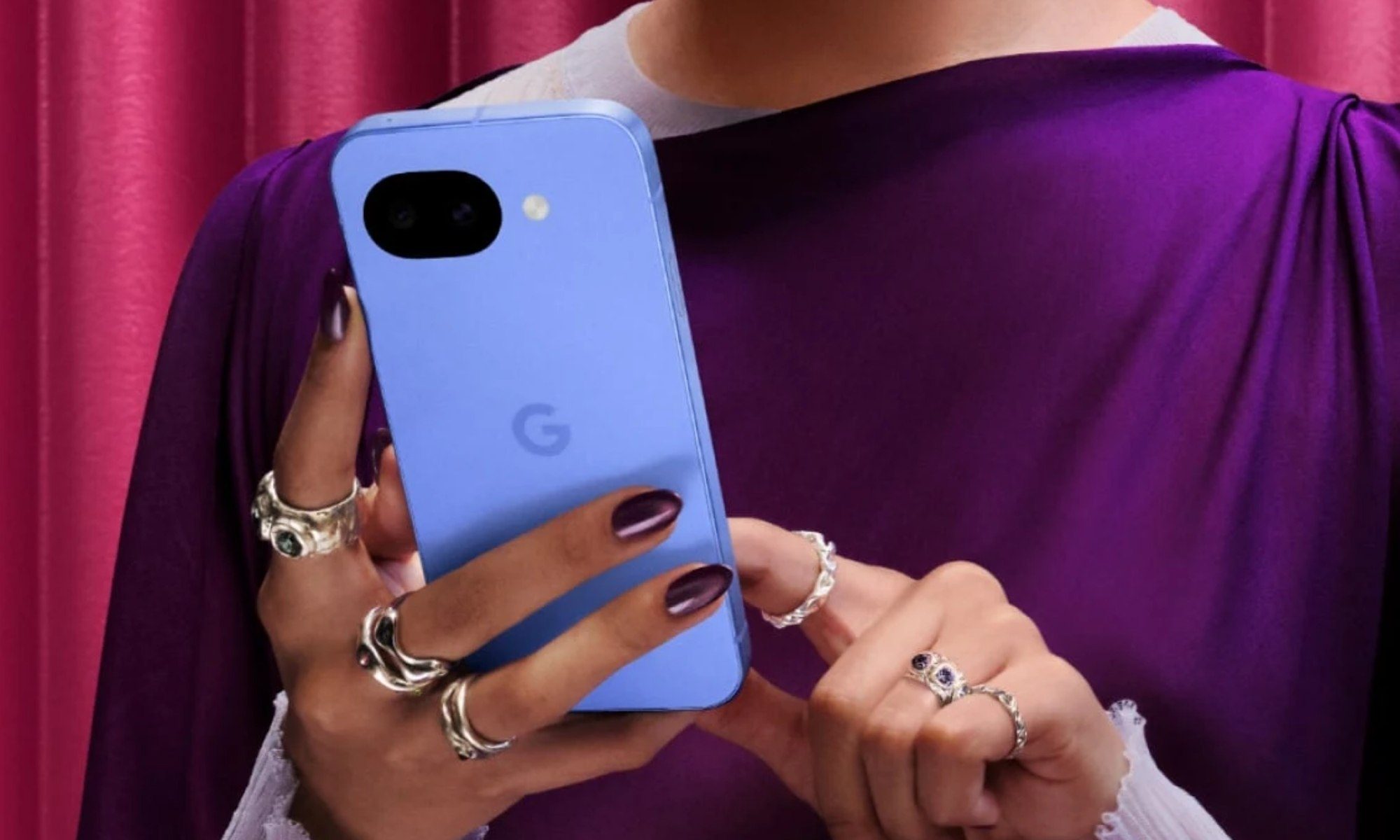
The Pixel 11 may start at $899 with 256GB of storage, but its camera setup remains unclear.
Google Pixel 10a smartphone

Google may ask Pixel 11 buyers to pay $100 more for a phone that improves the parts they can’t see while leaving a conspicuous camera question unresolved. A new leak from Android Headlines puts the base model at $899, up from the Pixel 10’s $799 starting price.

The extra money would at least buy more capacity. The Pixel 11 reportedly starts at 256GB rather than 128GB, while the leaked specifications list both 12GB and 16GB RAM options. Yet the same list mentions only a main camera and an ultrawide, even though other leaked renders still appear to show three rear camera openings.

Read more
Google’s Pixel 11 Pro Fold could offer Galaxy Z Fold8 Ultra specs for $200 less
Google’s leaked foldable could match the Fold8’s price with Ultra-sized screens and 5x zoom
Electronics, Mobile Phone, Phone

Google may be preparing to challenge Samsung’s most expensive foldable without charging Ultra money. According to Android Headlines, the Pixel 11 Pro Fold will start at $1,899, matching the Galaxy Z Fold8 and undercutting the $2,099 Fold8 Ultra by $200.

Its rumored hardware makes that pricing especially interesting. Google’s foldable appears much closer to Samsung’s Ultra model in display size, even though it would cost the same as the smaller Fold8.

Read more