1. Home
  2. Phones
  3. Android
  4. Mobile
  5. News

It only took 30 seconds for white hat hackers to crack a Google Pixel

Add as a preferred source on Google

The Google Pixel and Pixel XL are a hit, and when they were released Google claimed that they’re as secure as the ultra-secure Apple iPhone. Apparently, the security on the Pixel may not be as high-level as previously thought — it took a group of hackers only 30 seconds to hack into the device.

The hackers work for Chinese security firm Qihoo 360, and they were basically able to gain full and complete remote access to the phone, including personal information like contacts, call logs, and messages. Thankfully, the hackers themselves are white hat — meaning that they hacked the device to shine a light on the exploit so that Google could fix it, rather than for any malicious purpose. The hack took place at the Seoul, South Korea, PwnFest.

Recommended Videos

Pixel and Pixel XL owners don’t have to worry just yet — the exploit was patched by Google within 24 hours of it being discovered. Qihoo 360 also got themselves a pretty hefty prize as a result of finding the issue — a cool $120,000, in fact. They also got another $120,000 for finding an exploit in Adobe flash in under four seconds, while another hacking group snagged $80,000 for finding an exploit in Apple’s Safari browser in less than 20 seconds.

Just because the hackers found the exploit using a Pixel phone, that doesn’t mean that the Pixel is the only phone with the issue. While Google managed to send out a patch relatively quickly, which is great for Pixel customers, it will be up to other device manufacturer to release patches to their phones. Not only that, but some wireless carriers will also need to release patches of their own. In other words, if the exploit is Android-wide, it’s likely it will never be patched on every device.

Christian de Looper
Christian de Looper is a long-time freelance writer who has covered every facet of the consumer tech and electric vehicle…
Vibecoded apps are flooding Apple’s App Store, and users are getting sick of them
App Store submissions have doubled this year as AI tools make it easier than ever to build an app, but downloads haven't kept pace, and for good reason.
Apple App Store homepage on an iPhone

Apple's App Store is in the middle of its steepest submission surge in years. Developers submitted nearly 600,000 new apps last year, marking a 30 percent jump over the previous year. That number has already doubled to roughly 560,000 new apps in just the first six months of this year, according to estimates from analytics firm Sensor Tower cited by the New York Times. The reason behind the spike is vibecoding, which allows people with no prior development experience to create new apps using AI tools.

A familiar boom, with a twist

Read more
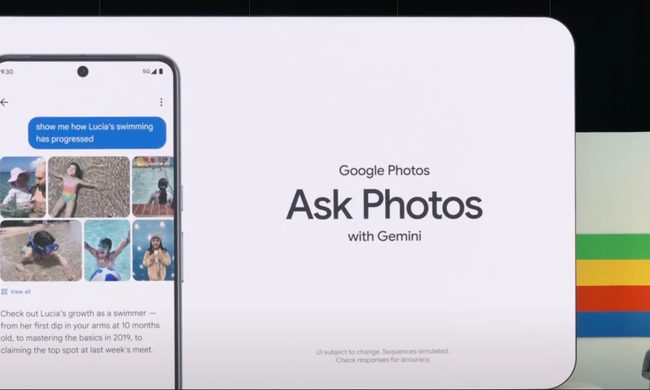
Google Photos adds a quick toggle between AI and classic search
Classic search is finally easier to reach for people who enabled Ask Photos
Google's Ask Photos debut.

Google Photos is giving users an easier way to leave its Gemini-powered search when a simple keyword would do. A new toggle now sits at the top of the results page, letting users switch between Ask Photos and classic search without digging through settings.

The change appears to address feedback from people who opted into Ask Photos but wanted a quicker way to return to classic search when Gemini was slower or less useful for a straightforward query.

Read more
Snapseed Camera now lets Android users save original photos and add geotags
Google updates Snapseed Camera with geotag support and non-destructive photo editing
Snapseed App

Google appears to be quietly turning Snapseed into something more than just a photo editing app. Over the past few weeks, the company has been steadily adding new capabilities to Snapseed Camera, its standalone camera app for Android. The latest update introduces two practical features that many smartphone users have come to expect from modern camera apps: the ability to save an untouched copy of every image for future editing and support for embedding location data directly into photos.

Neither feature is flashy, but together they make Snapseed Camera a more capable photography tool, particularly for users who like experimenting with filters without permanently altering their original shots. According to a report by 9to5Google, the features are rolling out with Snapseed Camera version 4.1.1.x on Android.

Read more