1. Home
  2. Phones
  3. Android
  4. Mobile
  5. News

Lenovo mobile chief spills the beans on Google’s plans for China

Add as a preferred source on Google

Google left China in 2010 due to increased government censorship, but rumors claim it wants to return with Google Play services. That rumor has just been verified by Lenovo’s head of mobile, Chen Xudong, who said Google is on track to launch Play services this year.

While not a verification directly from Google, it is worth just as much. Lenovo will almost certainly be a launch partner for Play services, since it works with Google on Android in countries outside of China.

Recommended Videos

Xudong did not say when Google plans to launch Play services, the closest indication being sometime this year. He also didn’t say which services will be available at launch — we would be surprised to see all of Google’s services available in China straight away, given the privacy concerns.

We also don’t know if manufacturers will be given the choice between Play services and third-party app stores, or if Google will force them to adhere to the same policies as manufacturers outside of China.

It is an interesting turn of events, considering that in 2014 China removed Docs, Play, and Gmail from the country. No apology has been forthcoming for the hacking scandal in 2010 either, which led to a U.S. investigation into China hacking services for private information.

Huawei appears to be the moderator for talks between Google and China, though this has not been confirmed. When Google announced Huawei would build the Nexus 6P, rumors suggested in return that Huawei opened communications with China.

As China continues to add more mobile and Internet users, Western companies are beginning to change their views on censorship. Facebook chief executive Mark Zuckerberg tried for all of 2015 to woo the Chinese government, to no avail, and Google appears to be taking a similar route to receive the government’s approval.

David Curry
Former Contributor
David has been writing about technology for several years, following the latest trends and covering the largest events. He is…
TSMC might set up a price hike that could come straight for your next phone, laptop, or tablet
Here's what TSMC's rumored 10% chip price increase actually means in dollar terms, and why your next phone or laptop could end up costing more.
TSMC Fab

My wallet flinched the second I saw the words "TSMC" and "price increase" in the same headline, and honestly, yours should too.

Turns out the company behind the silicon powering basically every flagship device out there, including Apple’s A-series and Qualcomm’s Snapdragon processors, is reportedly about to make all of it a little pricier.

Read more
Samsung’s free storage doubling for preorders is gone in Austria, and the replacement isn’t as sweet
Samsung's free storage doubling deal might just be history.
The back of the Galaxy Z Fold 7

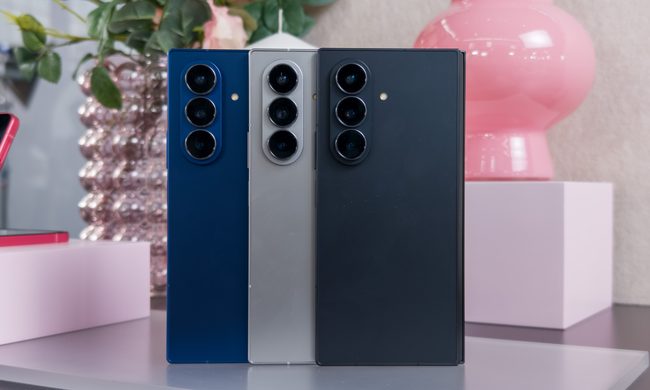
If you've pre-ordered a Samsung foldable purely for the free storage bump, tomorrow's Unpacked event might sting a little.

For years, pre-ordering a new Galaxy meant automatically getting double the storage at no additional charge. Buy the 128GB model, walk away with 256GB for the same price. The same applied to the 256GB and 512GB models. However, that might change at the upcoming Galaxy Unpacked event. 

Read more
Apple fixes Hide My Email bug that exposed users’ real email addresses
Here's how Apple's Hide My Email flaw leaked real addresses for over a year, and why it only got fixed once the story went public.
apple-merging-sign-in-with-apple-hide-my-email-icloud+

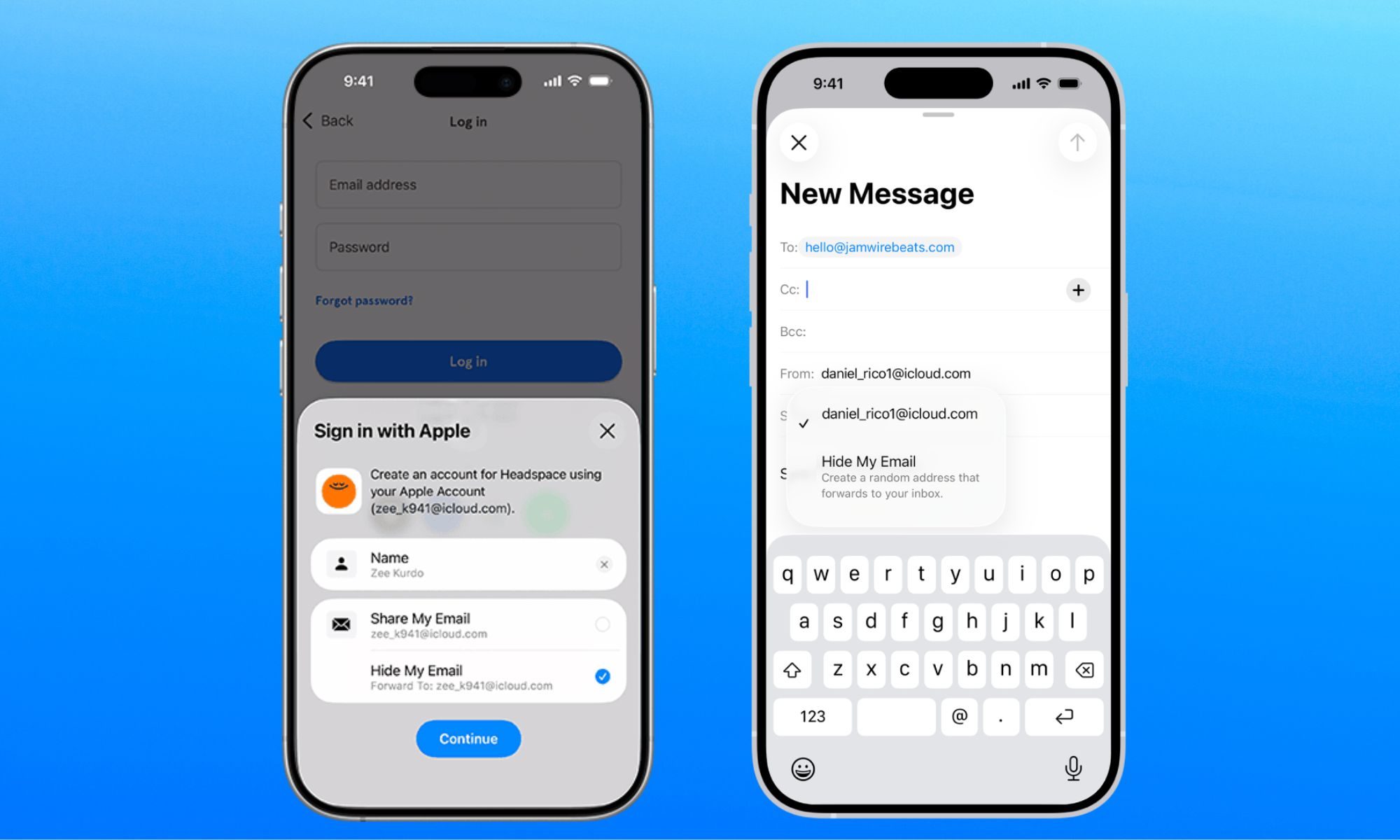
Turns out the "Hide" part of Hide My Email wasn't doing its job quite as advertised, something that I covered early in July. Security researcher Tyler Murphy reported the flaw in June 2025, but despite Apple claiming it was resolved in March 2026, independent tests confirmed it remained exploitable, at least until July 3, 2026.

So how did this bug actually work?

Read more