1. Home
  2. Phones
  3. Emerging Tech
  4. Mobile
  5. Web
  6. News

Google’s Project Loon runs test of balloon-based internet service over Peru

Add as a preferred source on Google

Google has shared details of successful tests of its Project Loon internet balloon system that took place in South America over the summer. The team was able to keep one of its Loon balloons in Peruvian airspace for fourteen weeks.

Project Loon is a research initiative that aims to deliver internet access to people in rural and remote areas. A high speed connection is transmitted from the ground to a balloon, which then acts as the hub of a network capable of reaching more distant regions.

Recommended Videos

This process is made even more challenging by the various different wind systems acting upon the balloons as they float high above the ground. Based on the millions of kilometers of test flights that have already been carried out, the Project Loon team has developed models that help predict wind patterns, increasing the team’s ability to keep the balloons in areas where they’re needed.

To test out this navigation technology, the team sent a balloon from Puerto Rico to Peru, where its mission was to remain in the sky for as long as possible. The transit itself took 12 days, after which the balloon spent 98 days over Peruvian airspace — a feat that required almost 20,000 altitude adjustments.

The balloon spent the majority of its stay over Peru in the stratosphere, floating 20 kilometers above the country’s port city of Chimbote. When there wasn’t an appropriate wind pattern to keep the balloon over land, the algorithms in charge would default to the next best option: sending it out over the Pacific Ocean to reach easterly winds that could blow it back to its intended position.

There’s still plenty of testing left to be done before Project Loon is ready for a full rollout, according to a blog post detailing this summer’s activity. However, it’s clear that the team at Google’s mysterious X Labs is already making good progress.

Brad Jones
Brad is an English-born writer currently splitting his time between Edinburgh and Pennsylvania. You can find him on Twitter…
Samsung may finally give the Galaxy S27 Ultra a meaningful battery boost using silicon-carbon tech
Galaxy S27 Ultra could reach 5,700mAh as Samsung explores silicon-carbon batteries
Electronics, Phone, Mobile Phone

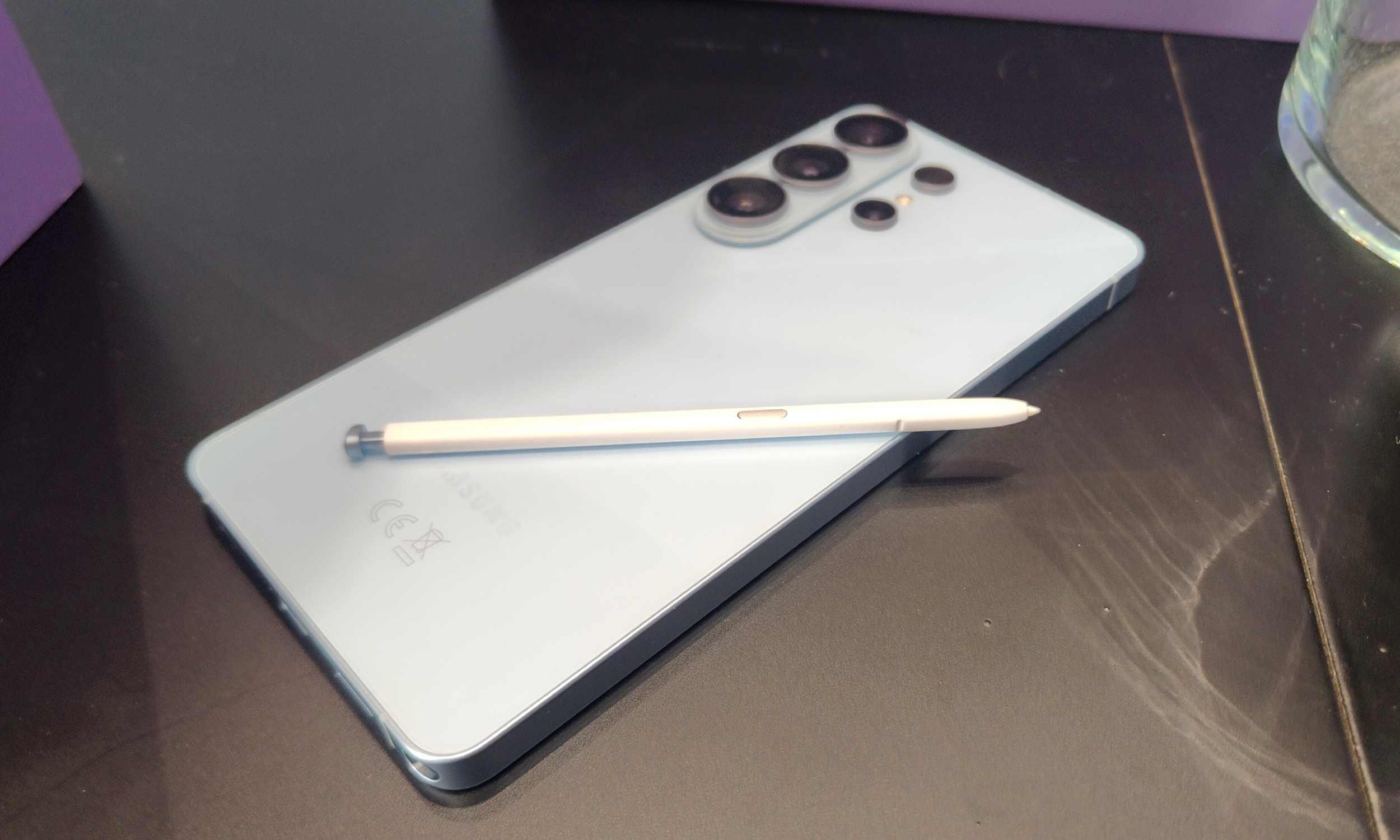
Samsung was already rumored to be preparing a larger battery for the Galaxy S27 Ultra, while the upcoming Galaxy S27 Pro was expected to carry a 5,000mAh cell. At the time, however, there was no indication that silicon-carbon batteries were also in the works.

Samsung recently introduced the technology on the Galaxy Z Fold 8 series. A new GalaxyClub report has now revealed the alleged battery capacities of both phones, and they could represent significant upgrades by Samsung’s standards.

Read more
Spotify meets Snap Map in Snapchat’s latest update
The new Now Playing feature adds real-time music sharing with customizable privacy controls.
Now Playing on Snap Map Spotify Snapchat featured

Snapchat is giving Snap Map a musical makeover. The company has announced Now Playing, a new feature that lets users share the music they're listening to in real time directly on Snap Map. Launching first with Spotify, the integration allows friends to discover each other's favorite tracks, save songs, and jump straight into Spotify without leaving Snapchat. The feature is rolling out now in regions where both Snapchat and Spotify are available, with Canada set to receive it soon.

How Now Playing works

Read more
OnePlus is building another flagship monster for a shrinking audience, and its expected to launch in October
OnePlus 16 could launch in October, but it may not leave China
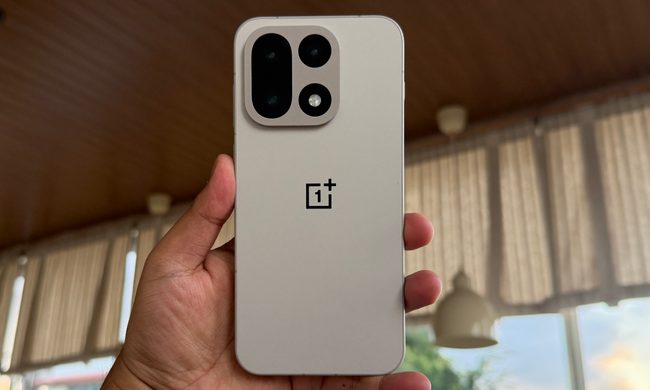
Rear shell of OnePlus 15.

While OnePlus may have exited the US and Europe, the brand is still alive in its home market and is already working on its next flagship smartphone. A fresh leak from Chinese tipster Digital Chat Station has now revealed more details about the OnePlus 16, including its design and a revised launch timeline.

The tipster previously claimed that the phone would arrive in September 2026, but the latest information points to an October launch in China (via Gizmochina). The global picture is far less clear, and there is now even some doubt over whether the OnePlus 16 will make it to India, which remains the company’s biggest market.

Read more