

The wearable segment is at a standstill right now because companies have apparently run out of sensor innovation. Microfluidics and stretchable electronics have recently emerged as hotbeds for cutting-edge wearable research, but those promising papers have yet to see commercial success.
Klick Labs, on the other hand, is looking at voice recordings as the next goldmine for biomarkers. Imagine using voice recordings from a smartphone as a monitoring tool for Type 2 diabetes or voice clips to assess glucose levels. It sounds rather factastical, but that’s what the team has been working on, and with encouraging results.
Klick Labs’ new app relies on voice recordings to detect signs of chronically high blood pressure, with some help from AI for analysis. “Voice technology has the potential to exponentially transform health care, making it more accessible and affordable, especially for large, underserved populations,” says Jaycee Kaufman, a research scientist at Klick Labs.
Why hypertension is such a big issue
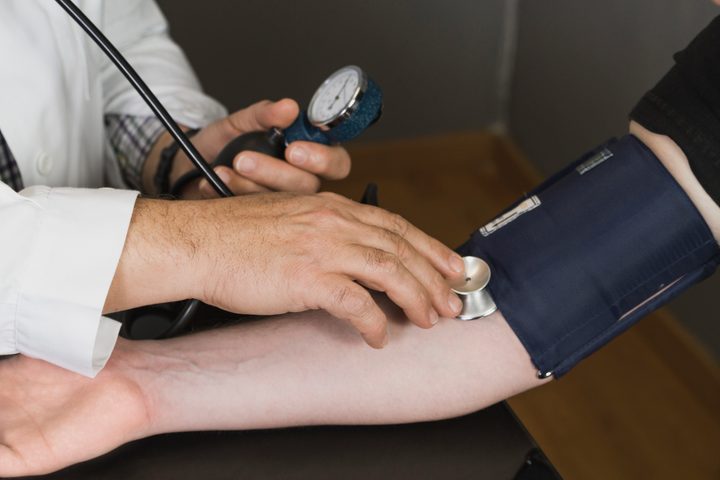
High blood pressure, also known as hypertension, affects at least 1.28 billion adults across the world, and nearly half of them aren’t aware of it. It’s a major cause of premature deaths across the world, according to the World Health Organization (WHO).
If the condition is not treated in time, it can lead to heart attack, kidney failure, stroke, vision loss, and a variety of heart diseases, according to the American Heart Association. Unfortunately, accessible hypertension analysis or timely detection isn’t always possible.
Samsung has put the tech inside its smartwatches, but they’re quite pricey. The woes worsen for people living in remote areas or communities with poor health infrastructure. A solution that embraces something as ubiquitous as a smartphone could prove to be a lifesaver, as it solves multiple crucial challenges in one go.
How voice recordings can help
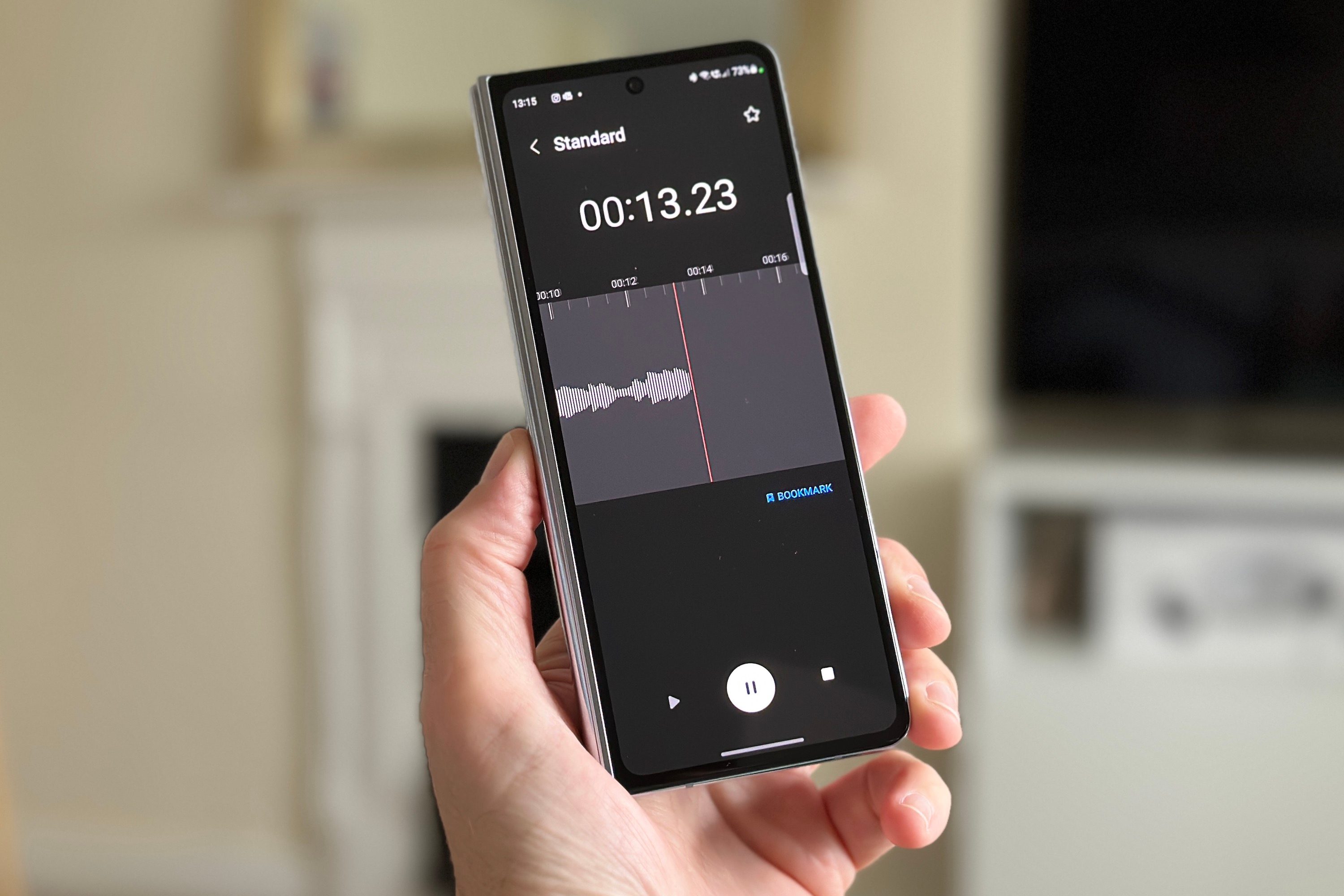
For the study, the team analyzed voice samples from 245 human subjects, assessing voice recordings collected six times each day over the course of two weeks. The team developed gender-based predictive models, and for the first time, documented a novel method of acoustic analysis.
Klick Labs’ latest research, which has been published in the IEEE Access journal, was able to detect high blood pressure in women with an accuracy of 84% and 77% in men. Yan Fossat, senior vice president of Klick Labs, tells Digital Trends that the team is now looking to expand voice-assisted analysis for detecting non-chronic high blood pressure.
Notably, the system doesn’t require any calibration prior to analysis, which takes away another crucial hurdle, and the data was collected in an unsupervised setting as well.
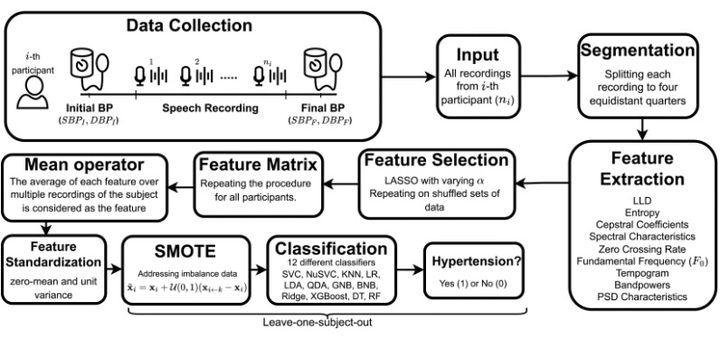
The app looks for details like speech energy distribution, pitch variability, and sharpness of sound change to establish a correlation with elevated blood pressure. The app isn’t publicly available yet, as it is apparently undergoing more fine-tuning, but the future looks bright.
Fossat, who was also the principal investigator of the study, tells us that the team is hoping to distribute the application programming interface (API) keys as it moves ahead with commercialization. It’s going to be platform-agnostic, which means we can expect it to land on iPhones and Android in the near future.
But what about regulatory hurdles and the tedious certification cycle? “We will be submitting the app for regulatory clearance as Software as a Medical Device (SaMD) Class I,” Fossat tells Digital Trends. As per the U.S. Food and Drug Administration (FDA), SaMD Class I solutions pose the lowest risk and aren’t integrated with hardware medical devices.
So, how should an average person feel about an innovation like Klick Labs’ voice-assisted chronic blood pressure detection system and its prospects? “Medical-grade tools are the gold standard for detecting blood pressure anomalies,” Fossat tells Digital Trends. Klick Labs’ app isn’t the start and end of dealing with hypertension, but it can get you on the right path.
Challenges and the road ahead
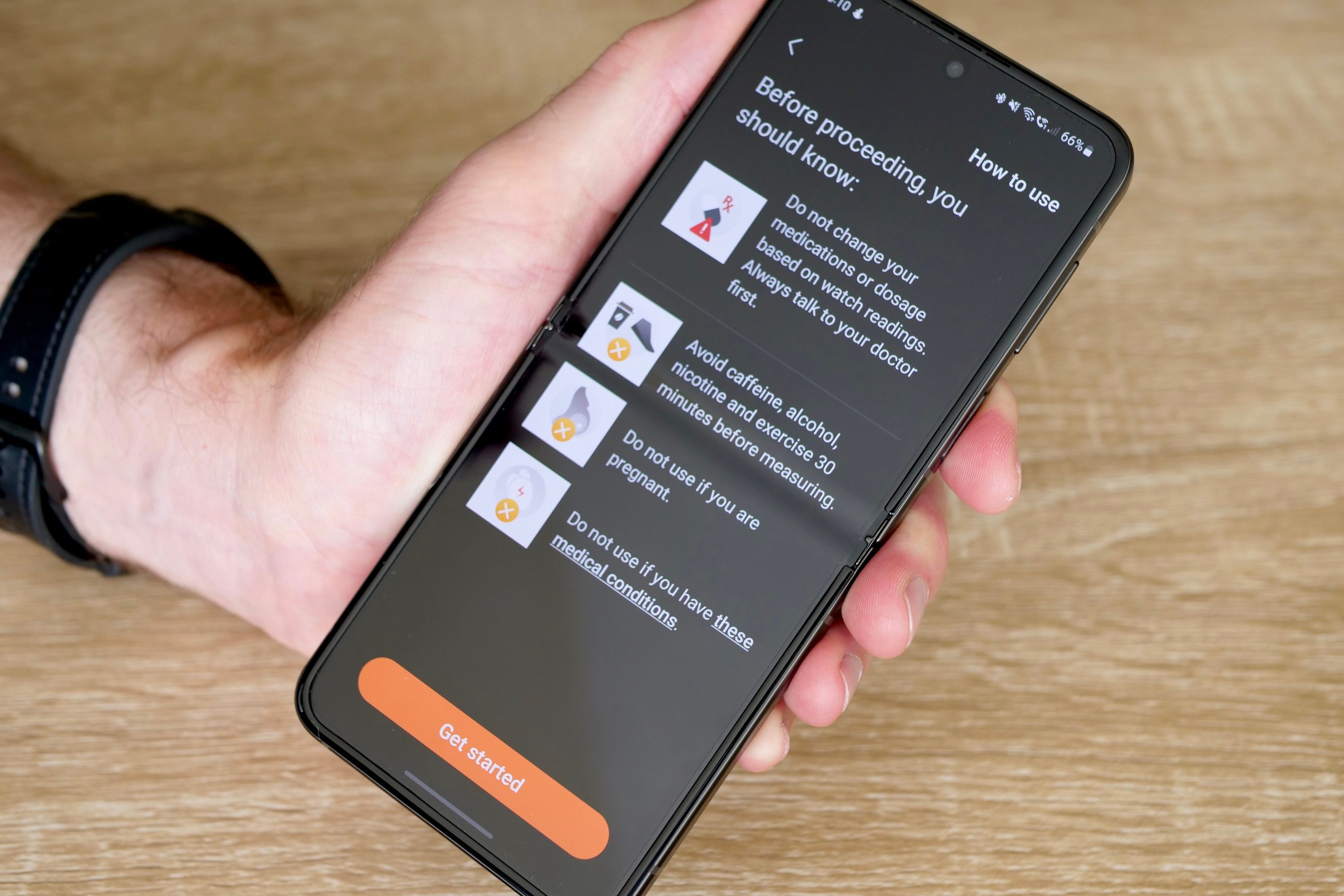
“Our app is intended to screen people, and alert them when to go to a doctor for diagnosis using medical-grade tools, such as a sphygmomanometer,” he adds. The system is not different from how the likes of Apple markets its own sensor-driven health and wellness stack on the Apple Watch, especially for features such as atrial fibrillation (AFib) detection.
However, there are a few challenges to be addressed before the team moves ahead with the at-scale deployment of their software toolkit. For example, the cases were mostly limited to one ethnicity in particular, of which there were not enough hypertensive cases in the test pool.
The team is also exploring methods to reduce the number of recordings required for a proper analysis, an exercise that would need a lot more data for training the underlying AI models. As far as voice recordings go, some training is required to get the necessary acoustic data, which poses another challenge ahead of mass deployment.
“Our next step is to replicate the study with a larger and more diverse group, including various ethnic backgrounds and a wider range of hypertension symptoms,” notes Fossat. Klick Labs pitches solutions such as deep neural networks to overcome some of the drawbacks described above.
But the whole premise of a noninvasive, smartphone-driven approach for chronic high blood pressure analysis is a massive leap forward. It removes pricey wearables from the equation and takes an approach where the right backing from health authorities or commercial uptake can work wonders for millions of at-risk people across the world.


