1. Home
  2. Phones
  3. Cars
  4. Mobile
  5. News

Little Cab is Kenya’s answer to Uber

Add as a preferred source on Google

The ride-sharing space in Kenya is about to get a little more crowded. On Tuesday, the African nation’s largest telecoms operator Safaricom launched its own car service, known as Little Cab, to go directly up against Uber. Little Cab, developed in tandem with Craft Silicon, a local software firm, is the latest in a series of home-grown transportation services that have been backed in a number of countries to compete with the San Francisco-based giant.

As per a Reuters report, cars in Little Cab’s fleet will offer their passengers free Wi-Fi, provide cheaper fares than competitive services, and perhaps most attractively, pay drivers better by offering “a higher share of revenues.” Riders can choose between the “Comfort” service and the “Basic” service, with the latter offering a more economical option in older cars. Further, Kenyans looking to book a ride in advance can check out the “Ride Later” option.

Recommended Videos

There’s also the “Lady Bug” service, which caters exclusively to women with both female drivers and female passengers. “A first in Kenya and Africa, Little Cab has introduced a lady-friendly category, ‘Lady Bug,’ with professional lady drivers to ensure women’s safety on the road,” said Craft Silicon CEO, Kamal Budhabhatti. “Lady Bug’ service will be open for requests to all customers from 6 a.m. until 6 p.m., after which only ladies will be allowed to make a request,” he added. This women-centric option hopes to assuage fears regarding female safety in the transportation industry.

As for Uber, the company says that it’s happy to see more players in the ride-sharing space. “At the end of the day competition is good,” said Nate Anderson, the general manager of Uber Kenya. The American company hasn’t been all too well-received in Kenya, as a number of taxi drivers have complained that the service has undercut their offerings, making it difficult to make a living. A few months ago, six men were charged with attempted murder and malicious damage to property after they allegedly attacked an Uber driver in February.

Lulu Chang
Fascinated by the effects of technology on human interaction, Lulu believes that if her parents can use your new app…
TSMC might set up a price hike that could come straight for your next phone, laptop, or tablet
Here's what TSMC's rumored 10% chip price increase actually means in dollar terms, and why your next phone or laptop could end up costing more.
TSMC Fab

My wallet flinched the second I saw the words "TSMC" and "price increase" in the same headline, and honestly, yours should too.

Turns out the company behind the silicon powering basically every flagship device out there, including Apple’s A-series and Qualcomm’s Snapdragon processors, is reportedly about to make all of it a little pricier.

Read more
Samsung’s free storage doubling for preorders is gone in Austria, and the replacement isn’t as sweet
Samsung's free storage doubling deal might just be history.
The back of the Galaxy Z Fold 7

If you've pre-ordered a Samsung foldable purely for the free storage bump, tomorrow's Unpacked event might sting a little.

For years, pre-ordering a new Galaxy meant automatically getting double the storage at no additional charge. Buy the 128GB model, walk away with 256GB for the same price. The same applied to the 256GB and 512GB models. However, that might change at the upcoming Galaxy Unpacked event. 

Read more
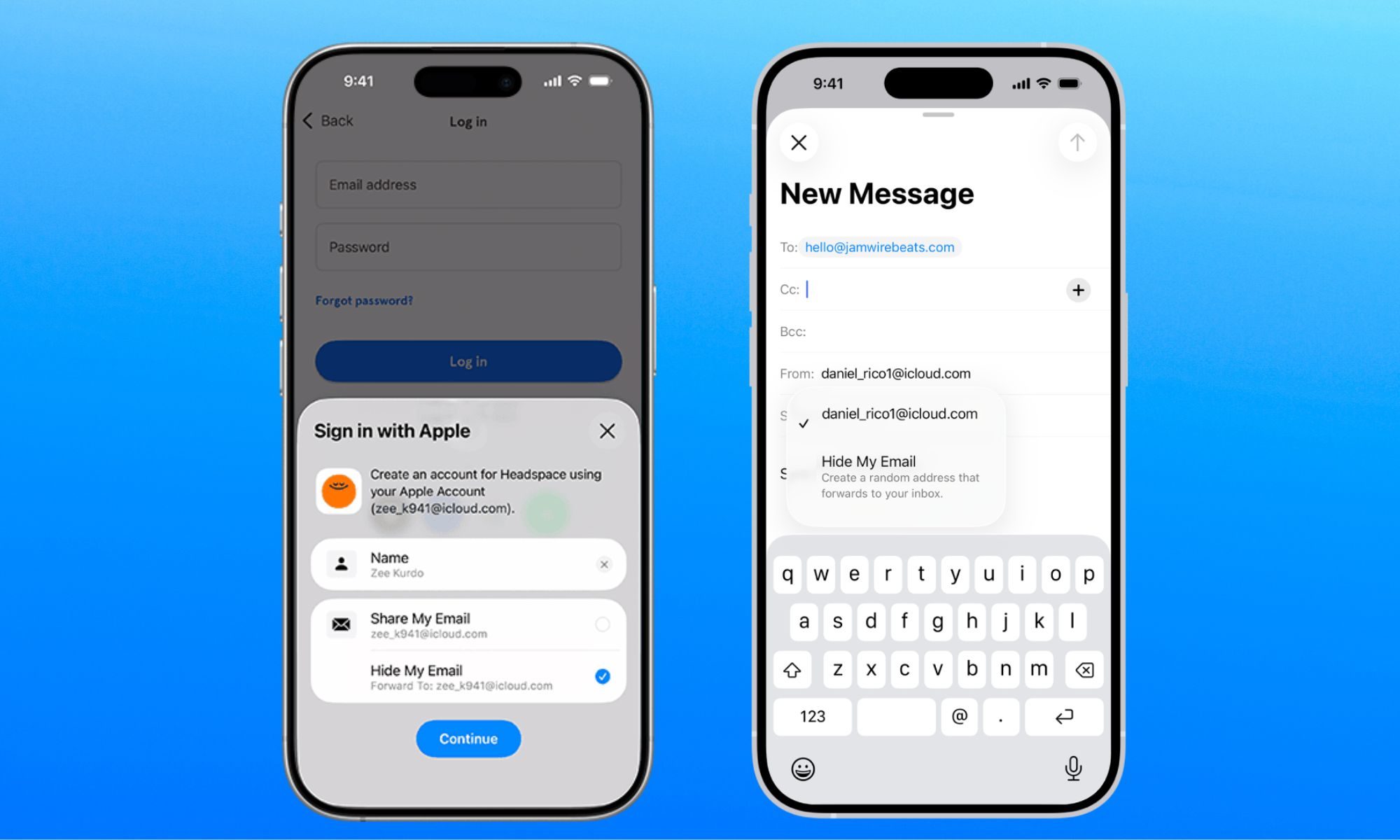
Apple fixes Hide My Email bug that exposed users’ real email addresses
Here's how Apple's Hide My Email flaw leaked real addresses for over a year, and why it only got fixed once the story went public.
apple-merging-sign-in-with-apple-hide-my-email-icloud+

Turns out the "Hide" part of Hide My Email wasn't doing its job quite as advertised, something that I covered early in July. Security researcher Tyler Murphy reported the flaw in June 2025, but despite Apple claiming it was resolved in March 2026, independent tests confirmed it remained exploitable, at least until July 3, 2026.

So how did this bug actually work?

Read more