1. Home
  2. Phones
  3. Android
  4. Apple
  5. Mobile
  6. News

Forget the assembly line: MIT is making phones that can assemble themselves

Add as a preferred source on Google

The folks over at MIT’s Self-Assembly Lab are working on a new project — building a phone that can put itself together, according to a report from Fast Codesign. That’s right — a phone that is in parts that can literally assemble themselves in front of your eyes.

So how does the phone assemble itself? It’s actually pretty simple. The phone comes in six parts, and requires a tumbler and a little programming to be put together properly. Basically the parts are placed in the tumbler and then shaken around at the perfect speed until they lock together, a process that can less than a minute.

Recommended Videos

The whole process is similar to how proteins work together when they’re forming cells — and that’s the whole point. the MIT Self-Assembly Lab is trying to take what we’ve learned about things like atoms, cells, and planets, and apply those concepts to things that we humans create. The idea is that self-assembling phones may actually end up being a lot cheaper and easier to make than the phones we use today. In fact, this process could be a lot easier than the automated assembly techniques being used today.

The team at MIT has been working on the concept since 2013, and have been experimenting with it for around a year now. Currently the concept is pretty low-budget and simple, however the team thinks that it could be scaled up for mass production at some point. The tumbler speed, for example, can be changed to suit different applications.

Of course, there is some worry about parts getting banged up in the process, however the team behind the self-assembling phones says that they’ve lined the tumbler with foam to help prevent that, and they’re working on even better solutions.

The most exciting aspect of the new concept, however, is design. Right now phones are built using pre-determined parts, but imagine if you could take different parts, throw them in a tumbler for a minute or so, and then have a phone. Or, you could take a bunch of parts from Google’s Project Ara and have a number of different phones emerge at the end.

Christian de Looper
Christian de Looper is a long-time freelance writer who has covered every facet of the consumer tech and electric vehicle…
TSMC might set up a price hike that could come straight for your next phone, laptop, or tablet
Here's what TSMC's rumored 10% chip price increase actually means in dollar terms, and why your next phone or laptop could end up costing more.
TSMC Fab

My wallet flinched the second I saw the words "TSMC" and "price increase" in the same headline, and honestly, yours should too.

Turns out the company behind the silicon powering basically every flagship device out there, including Apple’s A-series and Qualcomm’s Snapdragon processors, is reportedly about to make all of it a little pricier.

Read more
Samsung’s free storage doubling for preorders is gone in Austria, and the replacement isn’t as sweet
Samsung's free storage doubling deal might just be history.
The back of the Galaxy Z Fold 7

If you've pre-ordered a Samsung foldable purely for the free storage bump, tomorrow's Unpacked event might sting a little.

For years, pre-ordering a new Galaxy meant automatically getting double the storage at no additional charge. Buy the 128GB model, walk away with 256GB for the same price. The same applied to the 256GB and 512GB models. However, that might change at the upcoming Galaxy Unpacked event. 

Read more
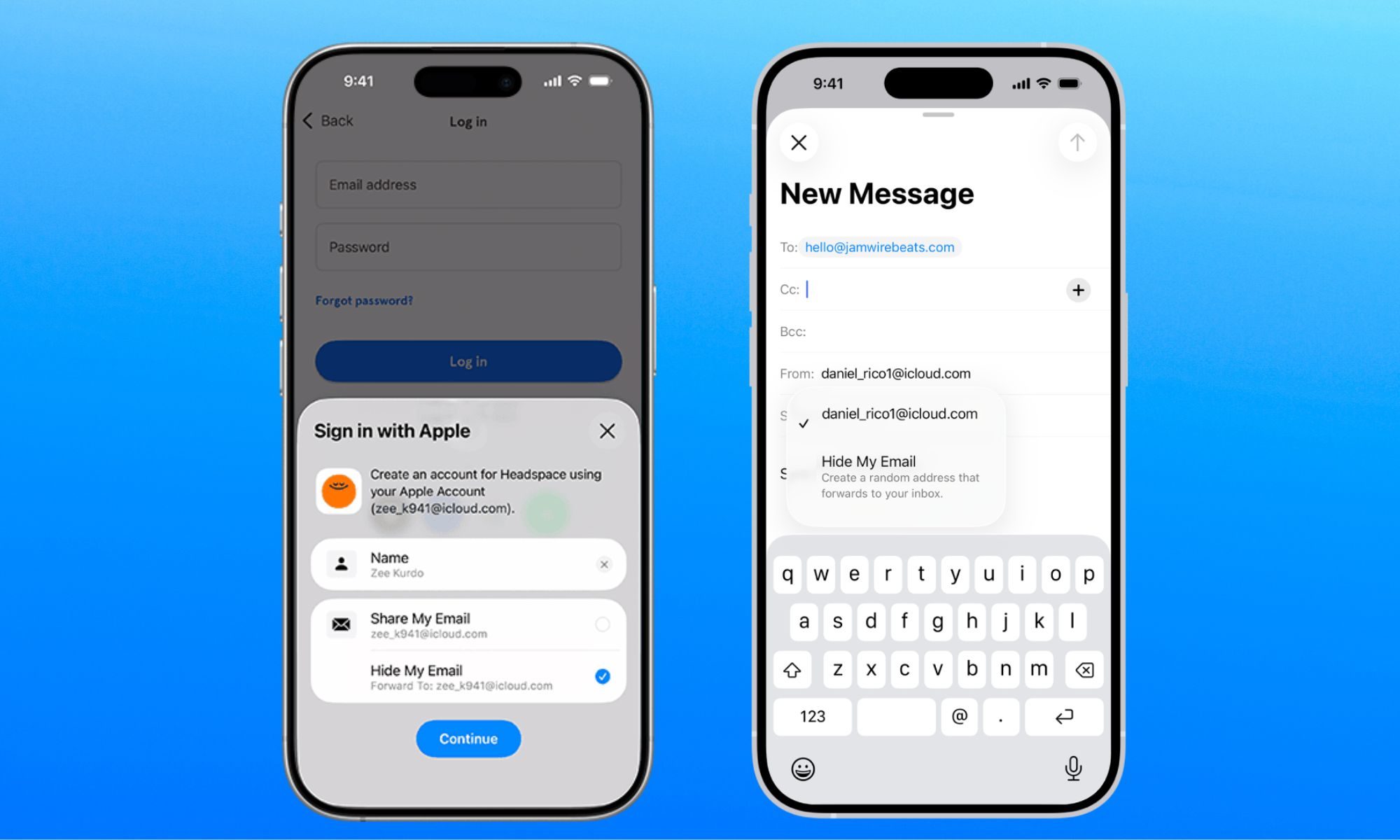
Apple fixes Hide My Email bug that exposed users’ real email addresses
Here's how Apple's Hide My Email flaw leaked real addresses for over a year, and why it only got fixed once the story went public.
apple-merging-sign-in-with-apple-hide-my-email-icloud+

Turns out the "Hide" part of Hide My Email wasn't doing its job quite as advertised, something that I covered early in July. Security researcher Tyler Murphy reported the flaw in June 2025, but despite Apple claiming it was resolved in March 2026, independent tests confirmed it remained exploitable, at least until July 3, 2026.

So how did this bug actually work?

Read more