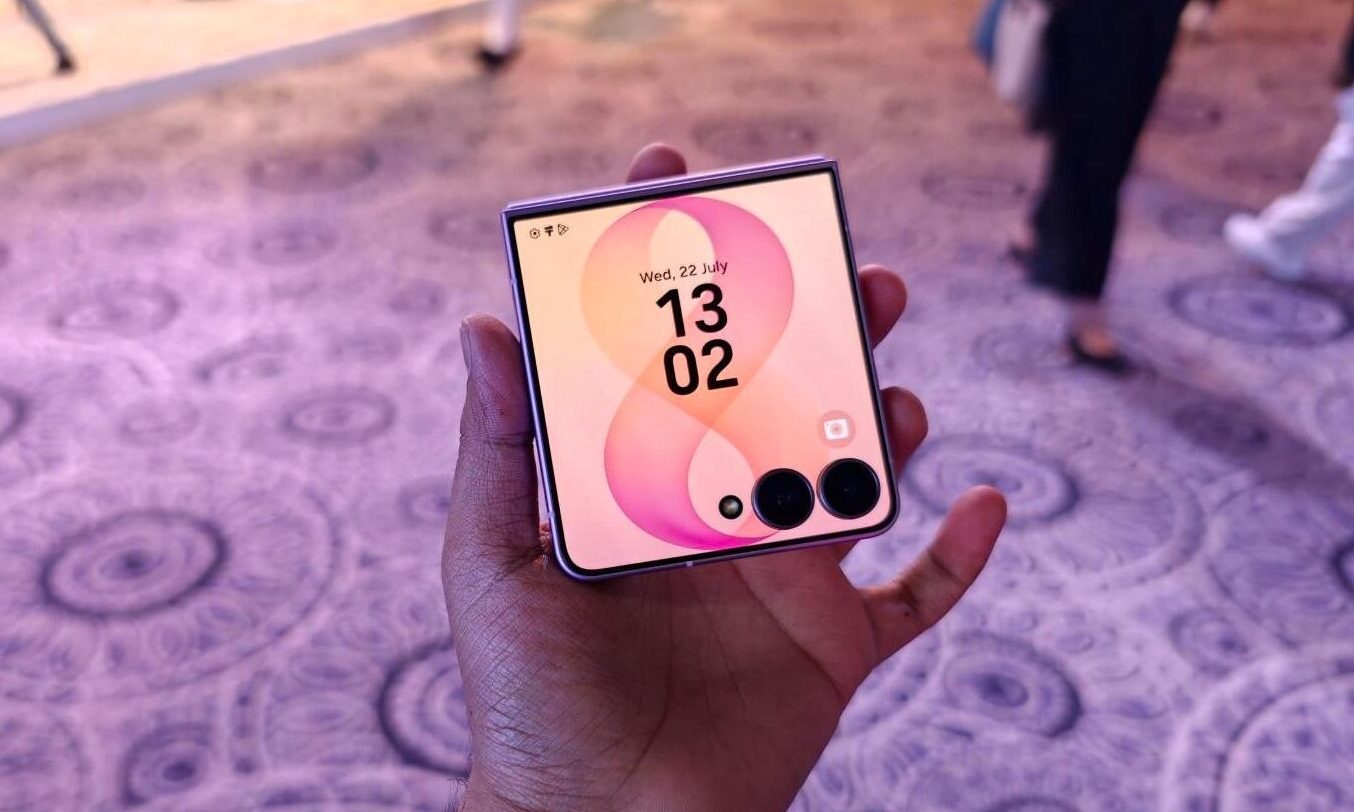
We can all agree the best name for Motorola’s range of folding smartphones is the Razr, but unfortunately, the conversation doesn’t stop there.
Motorola has decided that in the U.S., the two new phones will be called the Razr (2023) and the Razr Plus, but in the U.K., the same phones are called the Razr 40 and the Razr 40 Ultra. I’m at a loss to understand why — and it’s a problem that applies to Motorola’s entire smartphone lineup.
The reason behind Motorola’s confusing names
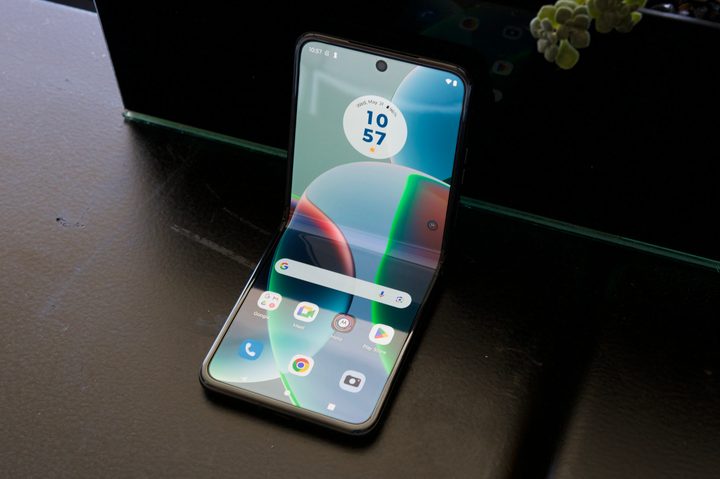
I know what you’re thinking, this is Motorola up to its silly old tricks again, right? Where it releases subtly different models in different regions, all with different names. No, as far as I can tell, the Razr (2023) is the Razr 40, and the Razr Plus is the Razr 40 Ultra. One is not more Plus or Ultra than the other, despite most people considering “ultra” to be a step above “plus” in the phone hierarchy, mostly due to Samsung’s use of the nomenclature.
It’s unlikely Motorola intentionally wanted the top new Razr phone to sound like a midrange phone in the U.S. and a flagship in the U.K., so what could possibly be the real reason behind the decision? Digital Trends asked Motorola and received the following statement in reply:
“We believe that each region is different from one another, and as a result, our portfolio in North America is tailored from Moto G, Motorola One, Edge, and Razr. Our approach is to think globally and act locally, meaning we assess what’s best for our consumers, products, and markets and make adjustments accordingly.”
So, the difference in names is down to Motorola thinking globally and acting locally, which I’ll take to mean the word Plus resonates more with Americans than the number 40 or the word Ultra. I’m British and can tell you that none of these words carries more weight than the other here in the U.K., but it does frazzle my brain knowing that somewhere deep in Motorola’s marketing department, someone believes they do.
It’s not just the Razr

Motorola regularly launches slightly different phones with different names in various regions around the world. This is somewhat acceptable, as the phones themselves have different specifications, and some regions have different requirements than others. If it’s a different phone, calling it something different makes sense. However, if it’s the same phone, it doesn’t.
Does this mean the Razr is an outlier, and otherwise, Motorola’s naming system is a paragon of common sense? No, it’s all awful, just for different reasons. In the U.S., it uses the Stylus, Power, and Play names for the Moto G series — along with liberal use of the pointless 5G suffix. But these names aren’t used in the U.K. at all, where the Moto G series gets a boring series of numbers instead.
It continues to be confusing as you go deeper into the range, as both the U.S. and the U.K. have Edge series phones, but while the Edge 30 Fusion was an acceptable name for a U.S. and U.K. phone in 2022, it’s not in 2023. In the U.S., the numbers have been dropped in favor of the new Edge Plus (or Edge+, just to confuse you further) naming system, while the U.K. has the Edge 40 series and the Razr 40 series, along with several Edge 30 phones.
It all seems like a lot of work for no real reason.
Motorola isn’t the only one to blame

Just reading through an explanation of Motorola’s phone names is confusing enough, and the company itself looks confused when it uses multiple names for the same or slightly different phones. Worse, it looks uncreative when it leans on the year and 5G to differentiate models.
It’s definitely not the only guilty party either, with HMD Global approaching its Nokia phone range in a similar way, and companies like Realme simply having big catalogs of phones that are barely different from each other. In fact, the entire industry struggles to name devices, with TV and headphone makers not bothering with a name at all and relying on an entirely unmemorable collection of letters and numbers instead.
But why Motorola wants to saddle itself with making two different sets of boxes, documentation, software, promotional material, and everything else that goes along with releasing a new phone for the same phone released in two English-speaking markets is entirely beyond me.