
Mobile World Congress is always a great show, but Mobile World Congress 2019 reached new heights due to an enormous array of innovative technology, groundbreaking new devices, and exciting glimpses of what the future holds for mobile. That sounds like it could have been written by MWC’s promoters, doesn’t it? While statements like these are often made regardless of whether the show was actually any good, it’s not an exaggeration in this case.
Over the past couple of years, MWC has delivered great smartphones, wearables, and other devices. But as the mobile industry in general has struggled to pull itself out of a rut, nothing much came along that felt like it could prompt change. There was nothing that could be described as genuine innovation or forward thinking. This year, things were very different. Seemingly everywhere you looked, a company was trying something new or forwarding new developments.
5G and folding smartphones
Look no further than the two big trends of the show — 5G and folding smartphones. All companies, almost regardless of whether they had a 5G product or not, talked at some stage or another about 5G, such was its prevalence at MWC 2019. Qualcomm — a huge purveyor of 5G equipment — was everywhere, and Ericsson, Nokia, and MediaTek were also showing off 5G’s potential for the future.
Qualcomm President Cristiano Amon said during the company’s press conference that “5G will usher in what we call the invention age,” referencing the expected innovation around the network technology.
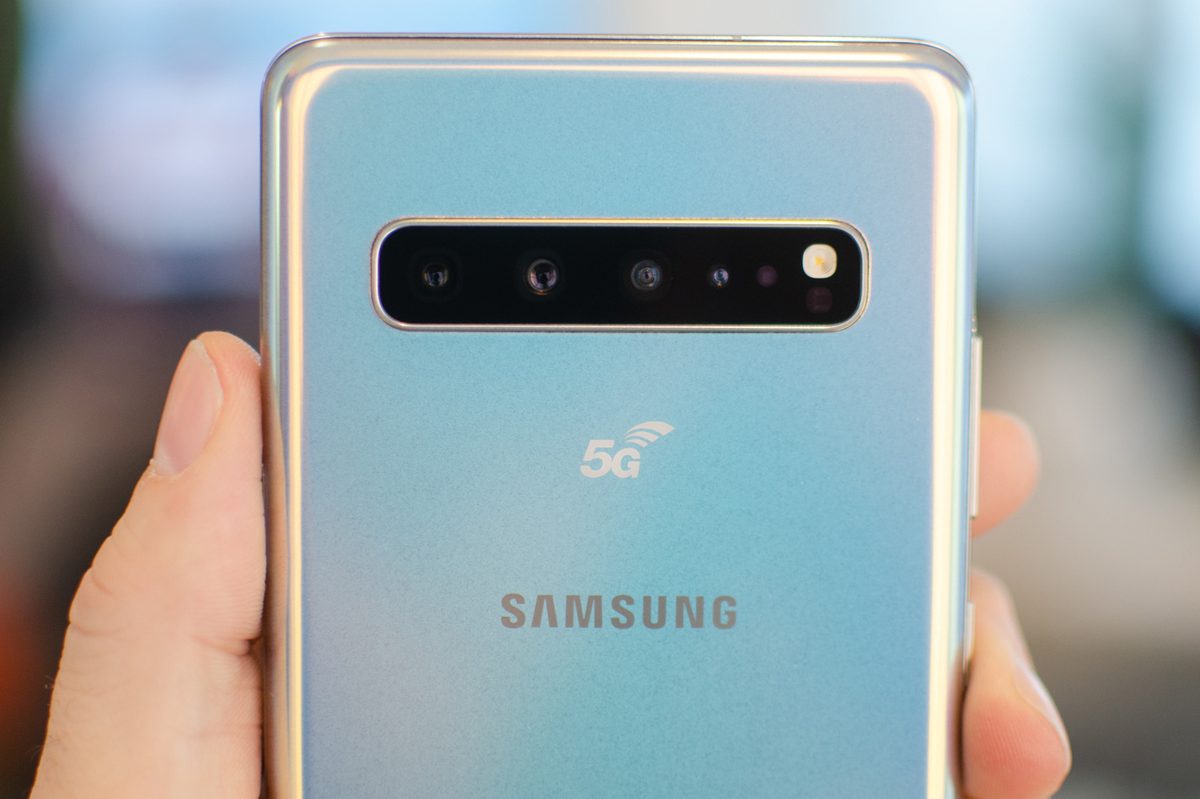
Thankfully, it wasn’t all talk. MWC 2019 was home to the world’s first 5G smartphones, and not just one — LG, Samsung, Xiaomi, ZTE, and Huawei all had 5G phones, while others including HTC had unusual devices for making the most of 5G when it arrives without the need for a phone. Companies also showed early demos of 5G performance, or canned demonstrations of its potential benefits. While 5G has been a part of MWC for several years, this is the first time it felt like it was a tangible product almost ready for consumers.
While 5G has been a part of MWC for several years, this is the first time it felt like it was a tangible product.
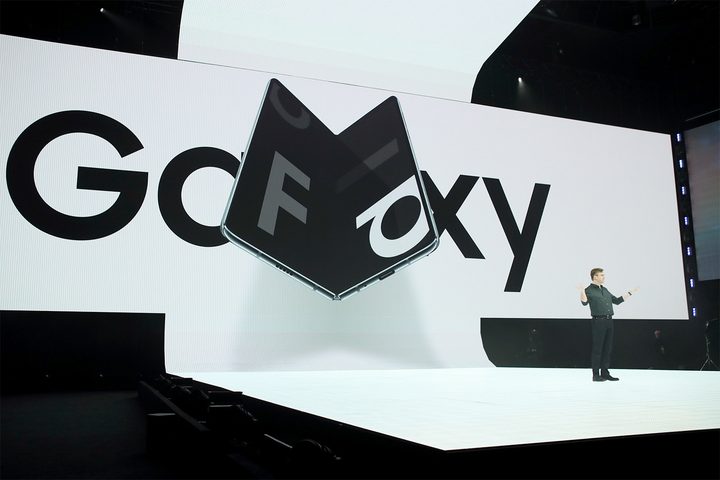
Huawei stole the show with its Mate X folding smartphone, which also has 5G, making it one of the most on-trend and instantly desirable devices at the show. For good reason too. Even in our short time with the phone, it impressed on a level we haven’t experienced in a while. And Samsung’s Galaxy Fold remained tantalizingly out of reach. These were the two real folding smartphones on display, but other brands came with prototypes and associated screen tech. Expect folding smartphones to continue making an impact at MWC 2020 and beyond, just like 5G.
Let’s be different
It wasn’t just those two trends either. Device manufacturers are all experimenting in ways we haven’t seen for some time. There’s a desire to do something new, with the intention of standing out in what had become a stagnant pool of similar hardware. This wasn’t always a bad thing, as the last two years have seen a mass of superb, technically impressive phones launch. Very few disappointed, but none really got the blood pumping.

Examples from the show floor? Sony had the Xperia 10 with its 21:9 aspect ratio CinemaWide screen. LG’s G8 ThinQ had gesture control that’s both mad and wonderfully fun to use, Xiaomi showed everyone that high-performance phones don’t need to cost $1,000 with the Mi 9, and the Nokia 9 has five cameras on the back with pro-level software, HTC made a 5G phone without the phone, and Nubia made a wearable smartphone that’s utterly insane.
Further evidence of the future of mobile that we saw at MWC 2019 comes from the approximate release dates for a wide variety of devices. We’ve become accustomed to seeing a device launch and being able to buy it very soon afterward, often within a couple of weeks. Multiple products at MWC 2019 are not scheduled to arrive till summer, year’s end, or even later. This made it seem like we’re seeing the next wave of mobile hardware that’s coming in the future while building some high-level anticipation.
Innovation, and influence
While the last few years at MWC have seen a steady flow of good-but-not-amazing announcements, the show has still managed to deliver a high level of excitement and anticipation in the not-too-distant past. The last time was around 2015, when it was not a smartphone that captured headlines, but virtual reality. It was the year HTC brought the Vive headset, Samsung launched an improved Gear VR, and Oculus Rift demos were everywhere.
Folding smartphones may not change lives, but 5G almost certainly will.
Using VR then felt as futuristic as using the Huawei Mate X did this week. I remember leaving the show feeling like I’d seen and used a product that had true industry-changing, and eventually life-changing, potential.
Has 2019 been a repeat of this? Folding smartphones may not change lives, but 5G almost certainly will. The combined power of these two trends could signal the biggest design and usage shift in mobile since the introduction of the touchscreen. We believe MWC 2019 was a beginning, and that we’ll look back on this particular show as not only one of the most exciting, but also one of the most influential.