1. Home
  2. Phones
  3. Mobile
  4. News

Nokia may return to smartphones, but not until next year

Add as a preferred source on Google

It may have seemed the end of an era when the deal that saw Nokia selling off its Devices and Services division to Microsoft finally closed last year, but in many ways the Nokia that fans knew and loved was already gone by that point. While the company may not be poised for a comeback, it has been more active recently than it has been in quite some time.

Last week we reported on Nokia’s announcement that it was purchasing Alcatel-Lucent for $16.6 billion as part of its plans to pursue 5G network communications. While we mentioned that this wasn’t a way for the company to get back to selling smartphones, it seems that Nokia may have had that in mind after all.

Recommended Videos

Two sources familiar with the company’s plans have said that Nokia could be returning to the smartphone market as early as next year. “They have a lot of great stuff in development,” former Nokia executive Richard Kerris told Recode. “It gave me complete confidence that Nokia is a company that is not going away.”

It’s likely that a future smartphone would be manufactured by a third-party partner and branded with the Nokia name, similar to last year’s Nokia N1 tablet. After the sale to Microsoft, Nokia simply doesn’t have the means to manufacture its own hardware, and it doesn’t seem that the company is eager to.

The plan seems fairly simple: design the products, then let another company deal with manufacturing, sales, and distribution. This is similar to the approach that companies like Kodak and Polaroid have used, and something that Nokia’s Ramzi Haidamus, has already talked about, as The Verge points out.

Don’t expect to see a Nokia-branded phone anytime soon. While its tablet was able to slip under the radar, Nokia is restricted from using its brand name on phones until Q4, 2016. Microsoft may not be using the Nokia name anymore, but it doesn’t want any confusion.

These development  may not signal a return to the heyday of Nokia’ candy bar phones, but it will be interesting to see where this goes.

Kris Wouk
Former Contributor
Kris Wouk is a tech writer, gadget reviewer, blogger, and whatever it's called when someone makes videos for the web. In his…
TSMC might set up a price hike that could come straight for your next phone, laptop, or tablet
Here's what TSMC's rumored 10% chip price increase actually means in dollar terms, and why your next phone or laptop could end up costing more.
TSMC Fab

My wallet flinched the second I saw the words "TSMC" and "price increase" in the same headline, and honestly, yours should too.

Turns out the company behind the silicon powering basically every flagship device out there, including Apple’s A-series and Qualcomm’s Snapdragon processors, is reportedly about to make all of it a little pricier.

Read more
Samsung’s free storage doubling for preorders is gone in Austria, and the replacement isn’t as sweet
Samsung's free storage doubling deal might just be history.
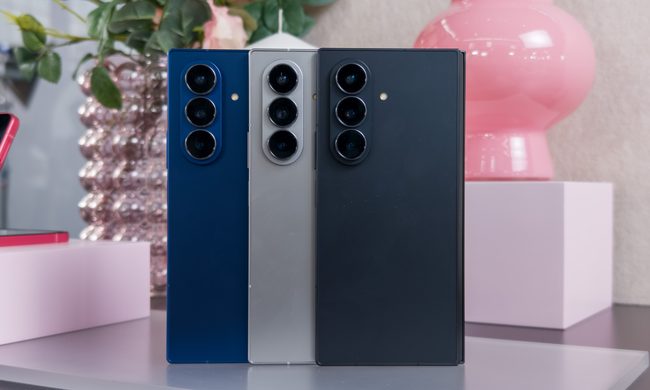
The back of the Galaxy Z Fold 7

If you've pre-ordered a Samsung foldable purely for the free storage bump, tomorrow's Unpacked event might sting a little.

For years, pre-ordering a new Galaxy meant automatically getting double the storage at no additional charge. Buy the 128GB model, walk away with 256GB for the same price. The same applied to the 256GB and 512GB models. However, that might change at the upcoming Galaxy Unpacked event. 

Read more
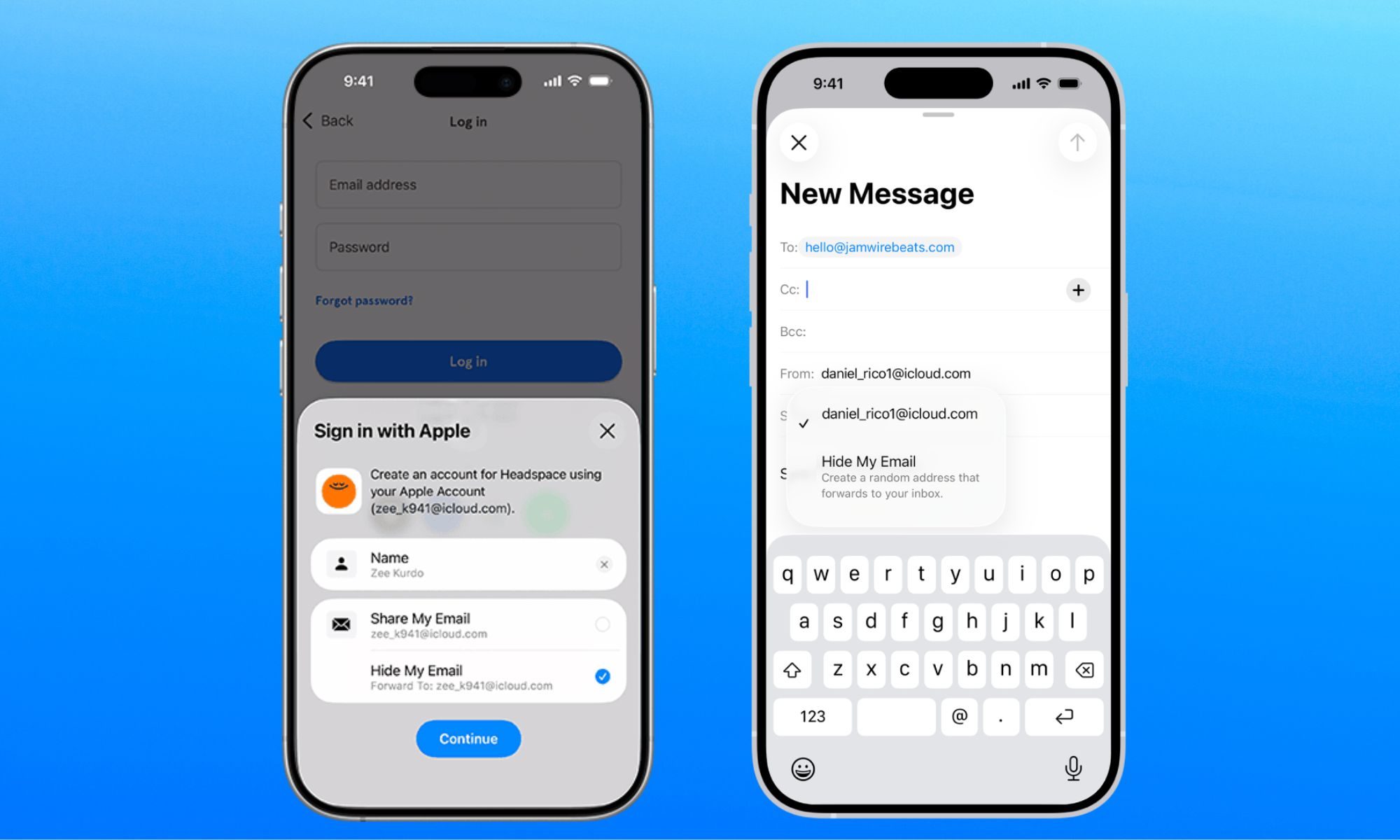
Apple fixes Hide My Email bug that exposed users’ real email addresses
Here's how Apple's Hide My Email flaw leaked real addresses for over a year, and why it only got fixed once the story went public.
apple-merging-sign-in-with-apple-hide-my-email-icloud+

Turns out the "Hide" part of Hide My Email wasn't doing its job quite as advertised, something that I covered early in July. Security researcher Tyler Murphy reported the flaw in June 2025, but despite Apple claiming it was resolved in March 2026, independent tests confirmed it remained exploitable, at least until July 3, 2026.

So how did this bug actually work?

Read more