1. Home
  2. Phones
  3. Computing
  4. Mobile
  5. News

Digital Trends may earn a commission when you buy through links on our site. Why trust us?

Phones and laptops aren’t getting pricey, thanks to tariff relief

Add as a preferred source on Google
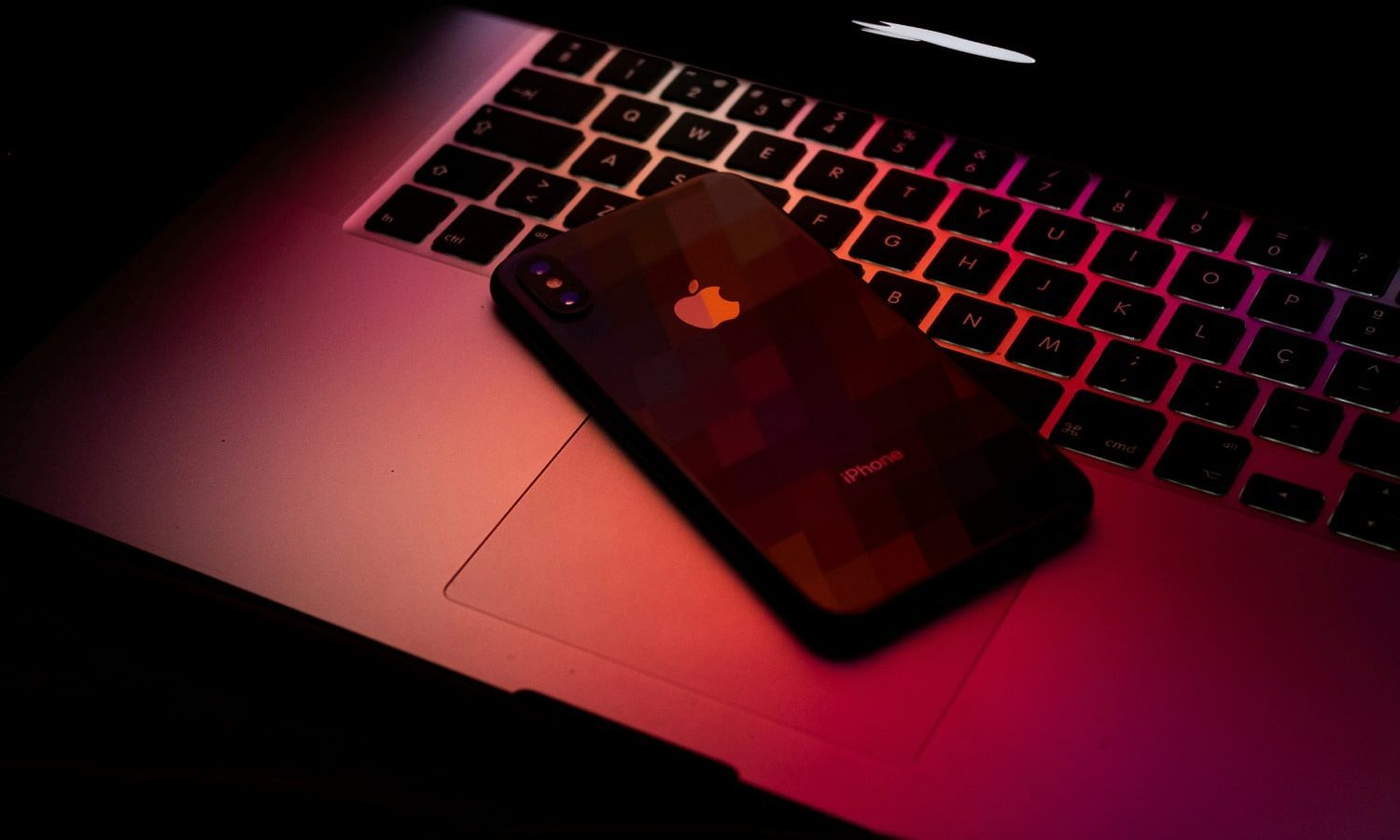
A MacBook and iPhone in shadow on a surface.
Yugandhar Bonde / Pexels

If you have lately been concerned about an imminent — and meteoric – rise in the price of electronics such as iPhones, laptops, and PC components, you can breathe a sigh of relief. The US government has granted an exemption to a wide range of electronics items from the heavy tariffs it has imposed on China over the past few weeks.

Why was it a dire situation?

The US government recently slapped heavy tariffs on multiple countries in Asia and Europe, including China. While other nations got a temporary 90-day relief, no such reprieve was extended to China, which is a crucial manufacturing hub for companies such as Apple and Nvidia, to name a few. 

Recommended Videos

Analysts predicted that the price of items such as smartphones, PC gear, and gaming consoles was going to rise sharply. Nintendo halted the pre-sale of its next-gen Switch 2 console, while PC brands such as Razer and Framework also had to adjust their sales strategy in a bid to make tariff-related adjustments.
A panic buying for products such as iPhones ensued in the US, and as per Reuters, Apple flew a cargo worth 600 tons from India to stockpile its inventory in the United States. The outlet also reported that Amazon suppliers in China were mulling a significant price hike for their products due to the tariffs.

A huge relief for consumers 

Apple, HP, Microsoft, Dell, and Intel are some of the companies that not only rely heavily on China for manufacturing their products, but also account for it as a major market. With a hefty 125% tariff levied on China, it was not difficult to estimate the hike on their consumer products entering the US market.

Thankfully, the hit has been averted, for now. The US Customs and Border Protection has issued an updated guidance for the Reciprocal Tariff Exclusion policy. The agency has listed 20 product categories that broadly cover a wide range of devices such as memory chips, laptops, disc drives, semiconductors, and flat panel screens. 

Notably, the exemption also covers machines that are used to make semiconductors, which are at the heart of everything from phones and laptops to cars. According to Bloomberg, Apple imports from China, which include iPhones, iPads, smartwatches, and AirTags, are now technically safe from a tariff-induced price hike.

Aside from phones and computing items, the price of discrete processor kits and graphics cards from the likes of Nvidia are now effectively shielded from an imminent price hike for US customers. The move will also benefit products sold in the US by Samsung, HP, and Microsoft, among others.

Nadeem Sarwar
Nadeem is the Managing Editor at Digital Trends.
A US state just approved an AI doctor. For now, it’ll only prescribe acne cures.
Aside from acne, Nolla's AI can also handle redness, fine lines and wrinkles, hyperpigmentation and dark spots, and under-eye bags.
Nolla Derm AI doctor app.

The first AI doctor is here. Despite all the skepticism and risks associated with AI models going haywire, the state of Utah just approved Nolla Health, a company that is providing an AI healthcare expert capable of writing prescriptions without any human in the chain. For now, it will only write acne prescriptions for Utah residents over 18 years of age, willing to pay a token monthly subscription fee that's lighter than your Spotify bill.

The big push here is that the Nolla Derm app will reduce the costs of medical consultation, save users the hassle of clinic visits, and take out the problem of waitlisting from the entire healthcare equation. “Unlike telehealth platforms that use AI only to collect information before handing patients off to clinicians, Nolla's AI system is designed to independently issue initial prescriptions within tightly defined, physician-approved treatment protocols,” writes the company. 

Read more
Google may be teaching Pixel Search to think one step ahead
Pixel Search could soon help finish the job after finding what you need
Electronics, Mobile Phone, Phone

Google ships its phones with Pixel Search that is built to save you from digging through your phone to find an app, email, photo, and more. Now, it appears to be taking this process even further by trying to figure out what you want to do with the results.

An APK teardown of Pixel Search version 1.0.983036833 by Android Authority has uncovered an unreleased feature called Gemini-powered suggestions. Strings inside the app describe it as a way to surface relevant information alongside Gemini-suggested actions that can help you “finish a task faster.”

Read more
Not sure if a Prime Day deal is legit? Malwarebytes has a free link checker to verify it
Scam Link Check analyzes URLs for phishing pages, redirects, and newly registered domains.
Online Scam Fraud MacBook

Amazon Prime Big Deal Days is about to kick off, which means shoppers are going to see plenty of emails, texts, ads, and social posts promising limited-time discounts. Scammers know the drill too. Fake shopping sites can now copy familiar brands, recreate convincing storefronts, and use AI-generated images or polished copy to make a bad link look legitimate at first glance.

Malwarebytes has launched Scam Link Check, a free tool for checking a questionable URL before opening it. Paste in an address and the service analyzes where it leads and looks for signs that something is wrong.

Read more