
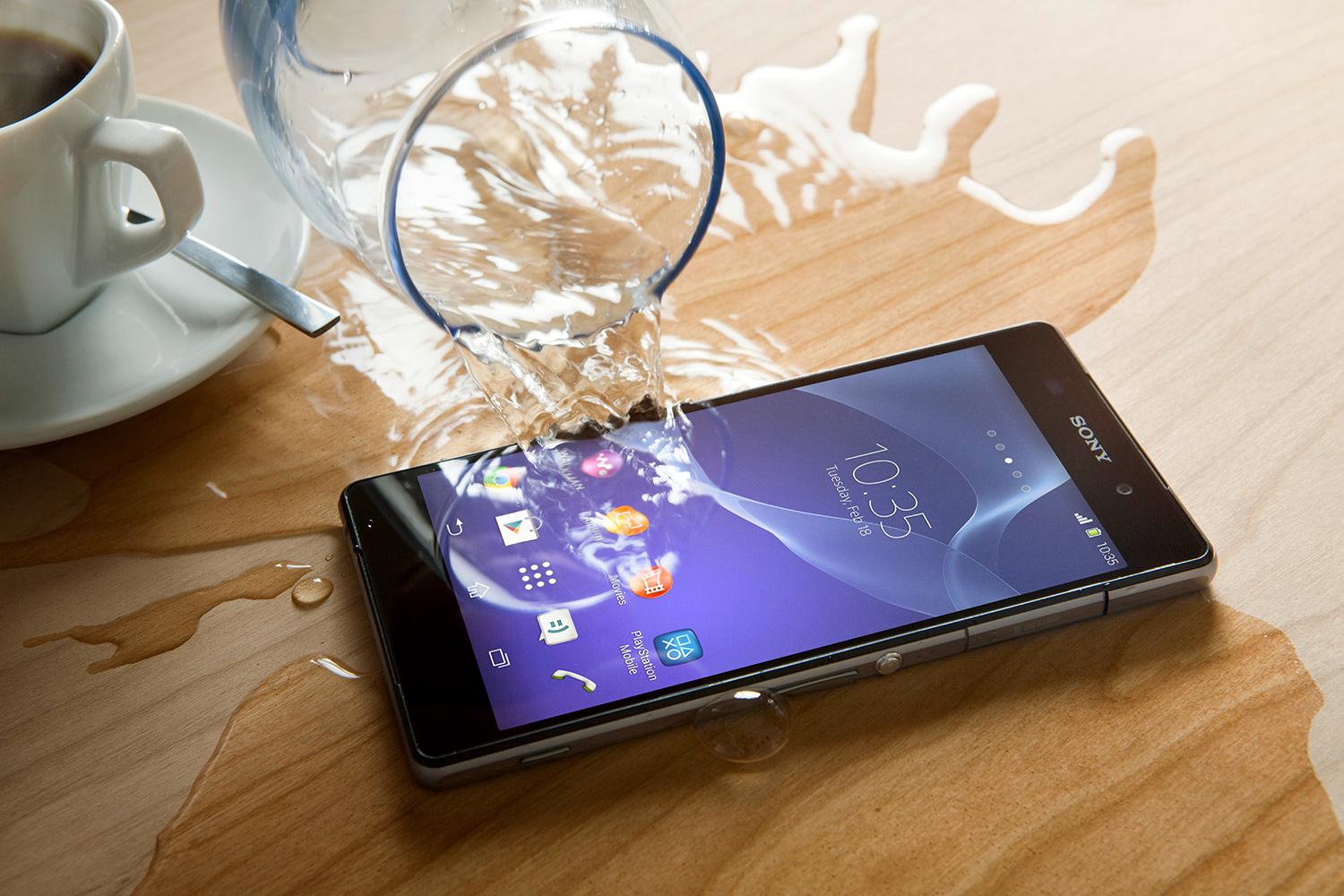
Spills, drops, and falls are just a few of the unfortunate events that could ruin your expensive phone or tablet. If you’ve ever lost your grip and watched helplessly as your device rocketed toward the ground, then you already know how important protecting your device can be.
From lightweight, slim cases to rugged cases offering the utmost in features and protection, our guide will make it easy for you to select a case that meshes seamlessly with your busy lifestyle.
A word on price
You will rarely find the best price for a case on the case manufacturer’s website, the device manufacturer’s website, or a carrier website. The Recommended Retail Prices (RRP) are frequently discounted. When you identify the case you want, do a comparison search and shop around.
Amazon and eBay are often the cheapest places to make a purchase, but it pays to cast a wide net. You also have to watch out for knock-offs, particularly on eBay.
It’s worth mentioning that some case manufacturers will offer a lifetime warranty, but only if you buy directly from the manufacturer, so that’s a possible incentive to pay the full retail price.
Do your homework
Read reviews of the cases you are interested in. Even if you can’t find a review for your specific phone model, other reviews for the same manufacturer will give you a general sense of the quality. You can also find people discussing cases and posting photos of them in various forums around the web.

It’s also important to confirm that the case has precise cut-outs. Sometimes cases are rushed out the door and they miss a port, button covers are stiff, or there are problems with camera flash reflections. If something like wireless charging is important to you, or you want to be able to dock your smartphone with the case on, then check with the manufacturer before you buy.
Choose your features
Think about additional features you might want in a case. For tablet cases, a landscape stand could be vital. Some cases also offer multiple positions, as well as 360-degree hinges. For phones, you’ll generally find kickstands that pop out the back, but make sure they’re secure, because it can be annoying if they pop out uninvited. Write down what you feel is essential and keep it as a checklist while you shop.

How much protection do you need?
How clumsy are you? The first thing to work out is how tough you need your case to be. If you want to be able to drop it on concrete with near-impunity or have it survive a dip, then you’ll need some serious protection. If you’re careful and you just want basic protection, then you don’t need to spend so much. There is a clear trade-off between the level of protection provided and the bulk and weight added.

Rugged cases
Rugged cases are another option to look into, but keep in mind that they are going to be bulky and heavy. The inclusion of air pockets and reinforced corners dramatically reduces the risk of damage to your device, but it inevitably adds bulk. They should also be easy to grip, even with wet hands, but you might find that makes it harder to slide them in and out of your pocket. That said, you may need to buy a belt clip or holster to accommodate the larger build.
Rugged cases should cover every angle, including the buttons and the touchscreen, which can make buttons harder to press and reduce touchscreen sensitivity. Ultimately, rugged cases can make it a little harder to actually use your phone.

The IP (Ingress Protection) rating will give you the lowdown on the case’s ability to withstand water and dust. Some case manufacturers have gone further and put their wares through U.S. military standards. MIL-STD-810 certification covers everything from pressure and temperature to vibration and impact.
Our favorite rugged cases: We recommend checking out the toughest offerings from Tech21, Pelican, Griffin, Spigen, and OtterBox. You should be prepared to pay around $50.
Tough cases
If you want a case that will definitely survive a drop, but you don’t want to add too much bulk or completely forfeit style, then you’ll probably want to opt for one of the many tough cases currently on the market. A standard combination that works well is a layer of hard polycarbonate with an inner layer of something softer, like silicone, to absorb shock. Also, keep an eye out for the military drop test certification.
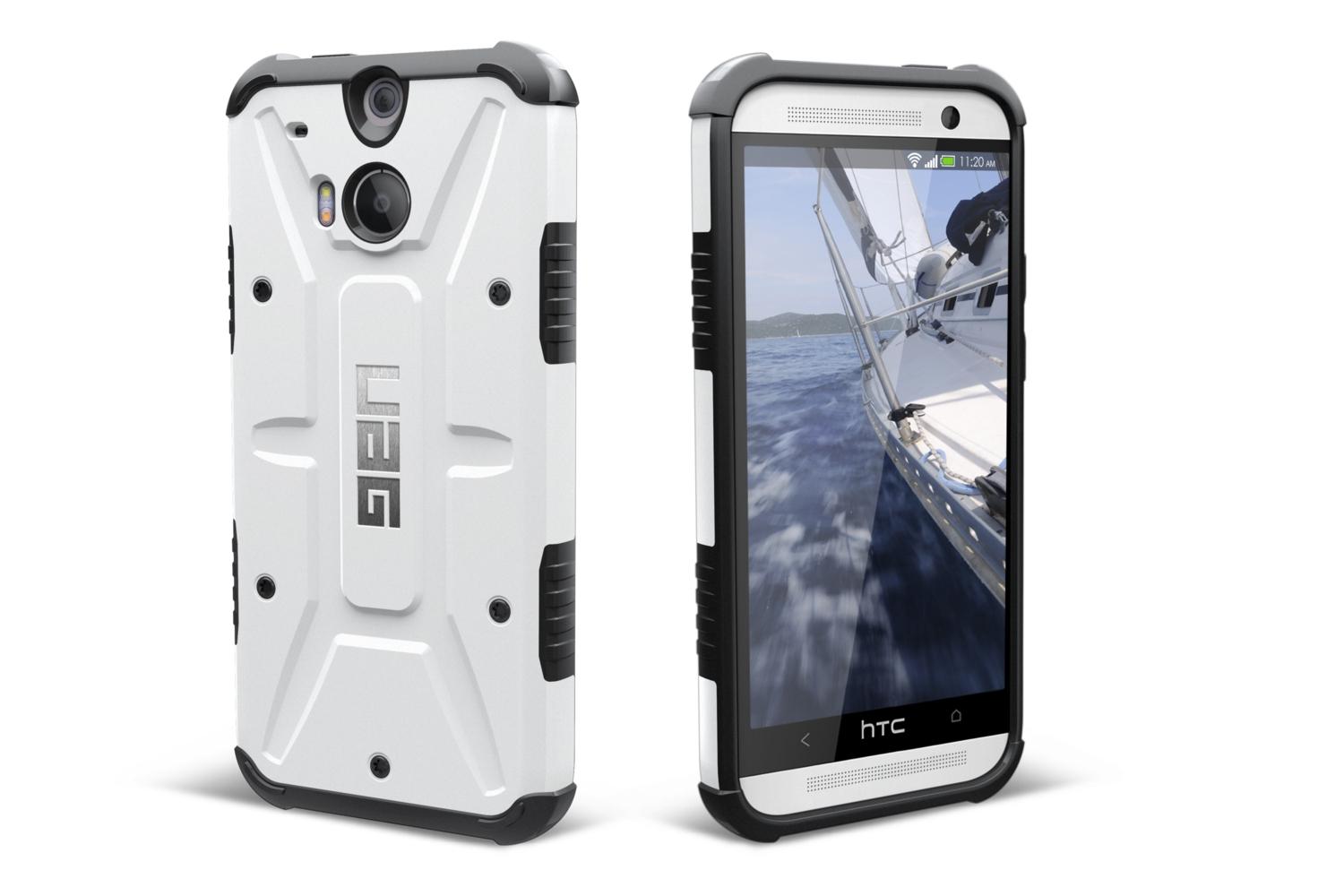
You can expect these cases to add a bit of bulk and weight, but they come in an array of styles and they shouldn’t stop you from accessing everything your phone has to offer. Make sure that there’s a lip or some protection on the front in case your phone lands face down. You should also expect added grip to reduce the chances that you’ll drop it in the first place.
Our favorite tough cases: We recommend Incipio, Urban Armor Gear, Speck, and Body Glove. You should expect to pay anywhere from $15 to $40.
Slim or basic cases
Sometimes it feels like a shame to cover your phone’s gorgeous design, or maybe you just don’t want something too bulky in your pocket. If style outweighs protection for you, then you can opt for a slim case. It will safeguard against scratches on the areas it actually covers, and it will certainly boost your phone’s chances of surviving a fall (you just can’t count on it). We’re seeing more and more translucent cases making their way to the market, meaning it’s easier than ever to get something that allows your phone’s design to shine through. You shouldn’t need to spend big on a slim case, and they can be great if you feel a basic level of protection is enough.

These one-piece cases are typically made of TPU, which is durable and slightly malleable, so they’re easy to fit, and offers some shock protection. Hard, slim cases can be tough to fit on your device and they won’t provide much protection from drop damage. You’ll find the biggest range of styles and colors in this category, but make sure you check the cut-outs and remember that a lack of protection at the corners or a lip on the front means weak protection from falls. Some of the cases in this category also offer decent drop protection by combining a thin, hard back with a thicker, malleable bumper.
Our favorite slim cases: We recommend Case Mate, Incipio, Spigen, Griffin, and Ghostek. You should expect to pay anywhere from $5 to $20.
Folio cases
Flip-open folio or wallet cases can be stylish and pocket-friendly. They’re a really good alternative to traditional cases if you intend to sling your phone in a bag, namely because they offer all-around protection. They vary when it comes to drop protection, however, as some include a shell-type case inside while others offer virtually no coverage on the sides or corners.
If you’re willing to pay a premium, then there’s no substitute for genuine leather. The vast majority of folio cases are made from PU (polyurethane), which is sometimes spun as “vegan leather.” PU is good, but it can smell strong, especially at first, and it is prone to cracking over time.

Folio cases will typically support the sleep-wake function, so your device should come to life automatically when you open the cover and go to sleep when you close it. The type of closure is important if you don’t want to run the risk of the case opening in your bag. Magnetic closures enable more stylish designs, but they don’t tend to be as strong as elastic, tab, or stud closures.
Many folio cases advertise credit card slots, but few can really serve as wallet replacements. They’ll typically only hold a couple of cards, and overstuffing increases the chances of the case popping open unexpectedly.
Our favorite folio cases: We recommend Nodus, Nomad, Piel Frama, Noreve, Knomo, and Incipio. You can also get wood and leather cases from Grovemade, and Dodocase uses old book-binding techniques. For folio cases, you can pay anywhere between $15 and $100, depending on the material.
Battery cases
As far as complaints about mobile technology go, poor battery life is still at the top of the chart. For smartphones, you can always look into getting a battery case. These typically have a built-in battery that’s capable of juicing your smartphone for another few hours.
Battery cases are always bulky and heavy, though. If they’re slim, then it’s because the battery inside isn’t very big and it won’t boost your battery life by much. You’ll want to take a look at the mAh rating, but it doesn’t always tell the full story, so make sure you look for a real-world test.

A lot of battery cases are not really designed to offer much in the way of protection, so you’ll have to check with the manufacturer on that score. What they should always provide is the ability to charge your phone. Ideally, your phone will drain the case first, that way you can take it off when it’s empty. There are also some clever designs out there that combine a lightweight case or bumper with a removable battery component. You should also expect to be able to check the battery status at a glance — pass-through capabilities for your headphone port and charging or data is also a plus.
Our favorite battery cases: We recommend Mophie, Incipio, and Trianium. You should expect to pay anywhere between $50 and more than $100, depending on the battery capacity.
Screen protectors
Many devices ship with screen protectors, and there are plenty of places that sell them for every device on the market. These can help reduce the chance of scratches or cracks appearing on your touchscreen, but they inevitably impact the aesthetic and sometimes usability as well.
If you’re going to buy a screen protector, then make sure it’s made for your device and buy it right away, because any imperfection on your screen is going to increase the chances that you’ll end up with bubbles. Follow the installation instructions carefully and apply the screen protector slowly, as patience makes for the best results.

You generally get multiple screen protectors with your purchase, so you can discard the current one if damaged. You can also get screen protectors that cut viewing angles for additional privacy, as well as some that are designed to reduce glare.
Depending on your screen protector, you can find one to fit with slim or tough, thick cases. The only negative we’ve found to using protectors is that they’re often frustrating to apply and can lower your screen’s touch sensitivity. If your screen’s sensitivity is crucial to you, then there are protectors that can incorporate that in the design, but they tend to be significantly more expensive.
Our favorite screen protectors: We recommend Spigen, Moshi, Tech Armor, amFilm, TechMatte, and Zagg. These products typically come in a package of three or four protectors and can range in price from $10 to $40.
The final word
Ultimately, we think your best bet is to go to a brick-and-mortar shop and try each case by hand if that’s possible. Considering how often you’ll be reaching for and holding your phone, you want to find something that fits you and your lifestyle. We would also recommend considering a couple of differently style cases for different activities; You may prefer a slimmer case for work, but a rugged case for when you go hiking or biking.


