1. Home
  2. Phones
  3. Android
  4. Business
  5. Mobile
  6. News

Digital Trends may earn a commission when you buy through links on our site. Why trust us?

Samsung sells shares in four companies to cover Galaxy Note 7 recall costs

Add as a preferred source on Google

The batteries in Samsung’s Galaxy Note 7 are beginning to burn a hole in Samsung’s own pockets. The disaster that has been the recall of the much anticipated Note 7 smartphone due to its dangerous exploding batteries is now causing a financial reckoning.

On Sunday, the South Korean smartphone maker announced that it had unloaded shares in four companies, with total proceeds reportedly exceeding $885.85 million. This will help Samsung cover the costs of the massive global Note 7 recall (2.5 million are to be sent back) that is anticipated to set the company back over $1 billion.

Recommended Videos

Samsung sold shares in computer-drive maker Seagate Technology PLC, chip maker Rambus Inc., Dutch semiconductor-equipment maker ASML Holding NV and Japanese electronics maker Sharp Corp., the Wall Street Journal reported. Ultimately, the company notes, these sales may help Samsung narrow the scope of its work, allowing the firm to invest more resources in the most crucial aspects of its business. “[The sale] was aimed at focusing on our core business by efficiently managing the investments made in the past in line with changes in business environments,” Samsung said.

“There is no impact on the business cooperation with the relevant companies,” Samsung asserted, but it has provided no further details at this time.

Samsung certainly has its work cut out for it in terms of regaining investors’ trust, as the recent recall has sent the company’s stock plummeting. On Friday, September 9, more than $10 billion of Samsung’s market value was lost in the immediate aftermath of the explosive battery scandal, and the following Monday, its stock value decreased by another $15.9 billion.

And that’s not the only battle Samsung is fighting at the current time — Samsung’s leadership is also looking at a few changes, as Lee Jae-yong, the son of Chairman Lee Kun-hee was nominated to the company’s board of directors on Monday. The younger Lee has acquired a growing number of responsibilities in his father’s absence (caused by a heart attack two years ago), and the Samsung Galaxy Note 7 crisis is certainly putting his abilities to the test.

Lulu Chang
Fascinated by the effects of technology on human interaction, Lulu believes that if her parents can use your new app…
TSMC might set up a price hike that could come straight for your next phone, laptop, or tablet
Here's what TSMC's rumored 10% chip price increase actually means in dollar terms, and why your next phone or laptop could end up costing more.
TSMC Fab

My wallet flinched the second I saw the words "TSMC" and "price increase" in the same headline, and honestly, yours should too.

Turns out the company behind the silicon powering basically every flagship device out there, including Apple’s A-series and Qualcomm’s Snapdragon processors, is reportedly about to make all of it a little pricier.

Read more
Samsung’s free storage doubling for preorders is gone in Austria, and the replacement isn’t as sweet
Samsung's free storage doubling deal might just be history.
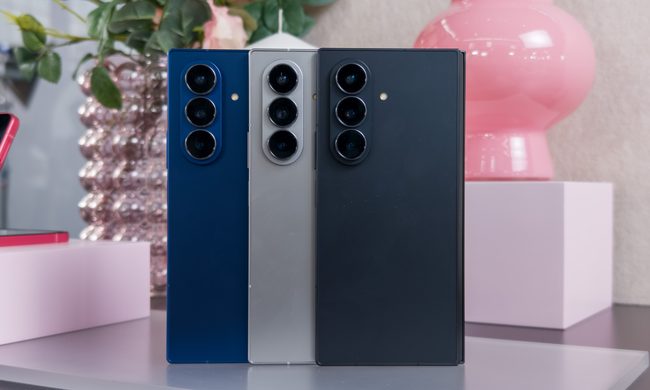
The back of the Galaxy Z Fold 7

If you've pre-ordered a Samsung foldable purely for the free storage bump, tomorrow's Unpacked event might sting a little.

For years, pre-ordering a new Galaxy meant automatically getting double the storage at no additional charge. Buy the 128GB model, walk away with 256GB for the same price. The same applied to the 256GB and 512GB models. However, that might change at the upcoming Galaxy Unpacked event. 

Read more
Apple fixes Hide My Email bug that exposed users’ real email addresses
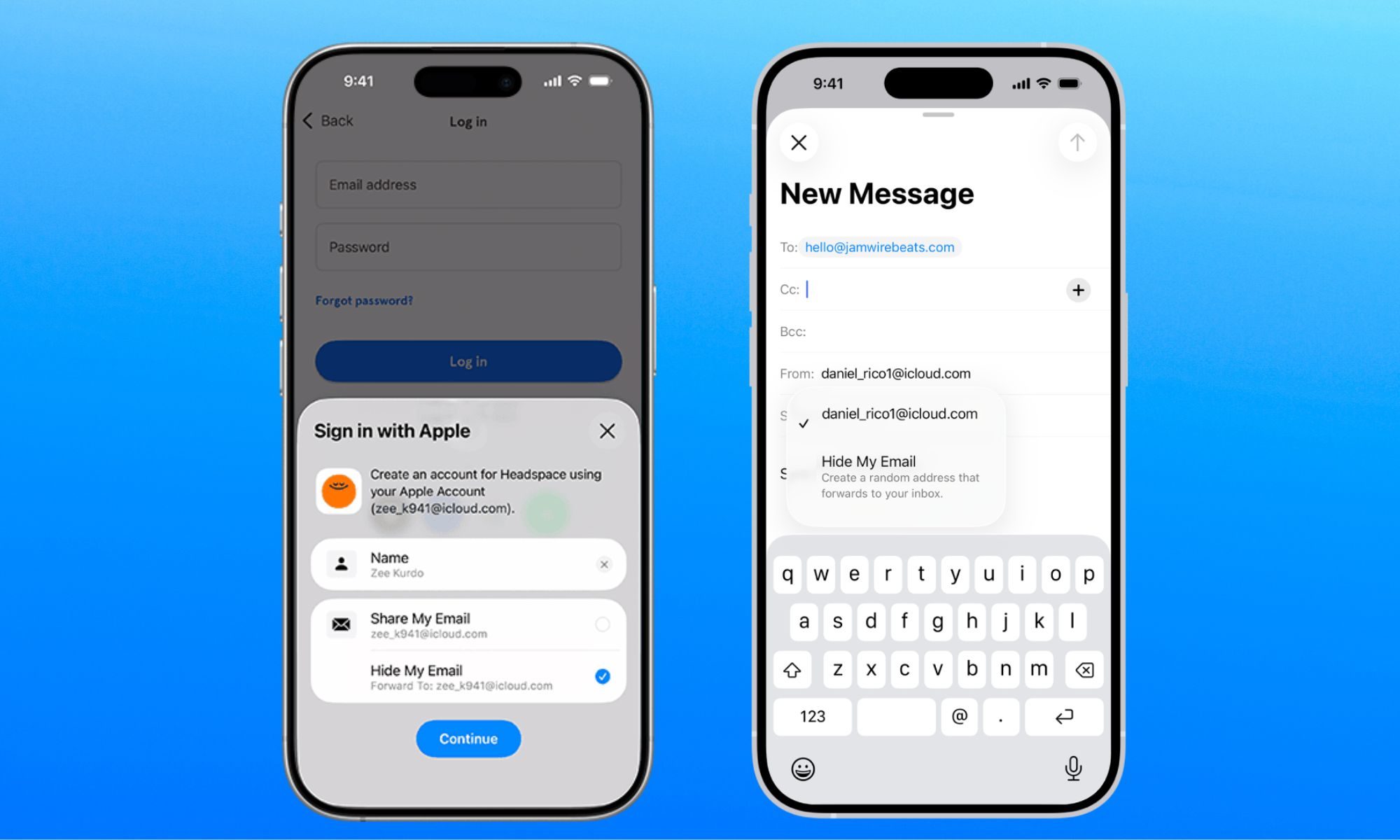
Here's how Apple's Hide My Email flaw leaked real addresses for over a year, and why it only got fixed once the story went public.
apple-merging-sign-in-with-apple-hide-my-email-icloud+

Turns out the "Hide" part of Hide My Email wasn't doing its job quite as advertised, something that I covered early in July. Security researcher Tyler Murphy reported the flaw in June 2025, but despite Apple claiming it was resolved in March 2026, independent tests confirmed it remained exploitable, at least until July 3, 2026.

So how did this bug actually work?

Read more