1. Home
  2. Phones
  3. Health & Fitness
  4. Mobile
  5. Music
  6. News

Spotify Running gets even better by adding integration with Runkeeper

Add as a preferred source on Google

Whether you absolutely love to run, or simply look at it as something you’ve got to do to stay in shape, there’s a simple truth: it’s much better when you’ve got music to help you keep going. Spotify has been aware of that for some time, and now it wants to help you take your run to the next level.

Spotify announced yesterday that it has teamed up with the popular run-tracking app Runkeeper. The goal? Runkeeper keeps track of your run, while Spotify provides the perfect soundtrack to help you keep your momentum.

Recommended Videos

There is a little more here than simply picking a playlist while you run. Spotify Running, which lies at the heart of the integration between these two apps, uses beat matching to play music that matches your running tempo. Now, Running can read your track records from Runkeeper, and use it to create a perfectly paced playlist for your run.

Spotify Running was introduced in May of last year, at the same time the company announced its then-upcoming video feature. Running made its debut on iOS, making its way to Android devices a few months later in September.

Setting up the two apps to work together is easy. Simply select Spotify as your music source within the Runkeeper app. Once this is done, just find the Running category in the Browse menu of the Spotify app, and the two apps will take care of everything else for you.

Like the Spotify Shows video feature that was introduced last month, you won’t need to worry about whether or not you are a Spotify Premium subscriber, as this in-app integration is available to free users as well. The integration is available to users of both apps on iOS now, and will be rolling out to Android users in the near future.

For more information on Spotify Running, see the company’s website.

Kris Wouk
Former Contributor
Kris Wouk is a tech writer, gadget reviewer, blogger, and whatever it's called when someone makes videos for the web. In his…
TSMC might set up a price hike that could come straight for your next phone, laptop, or tablet
Here's what TSMC's rumored 10% chip price increase actually means in dollar terms, and why your next phone or laptop could end up costing more.
TSMC Fab

My wallet flinched the second I saw the words "TSMC" and "price increase" in the same headline, and honestly, yours should too.

Turns out the company behind the silicon powering basically every flagship device out there, including Apple’s A-series and Qualcomm’s Snapdragon processors, is reportedly about to make all of it a little pricier.

Read more
Samsung’s free storage doubling for preorders is gone in Austria, and the replacement isn’t as sweet
Samsung's free storage doubling deal might just be history.
The back of the Galaxy Z Fold 7

If you've pre-ordered a Samsung foldable purely for the free storage bump, tomorrow's Unpacked event might sting a little.

For years, pre-ordering a new Galaxy meant automatically getting double the storage at no additional charge. Buy the 128GB model, walk away with 256GB for the same price. The same applied to the 256GB and 512GB models. However, that might change at the upcoming Galaxy Unpacked event. 

Read more
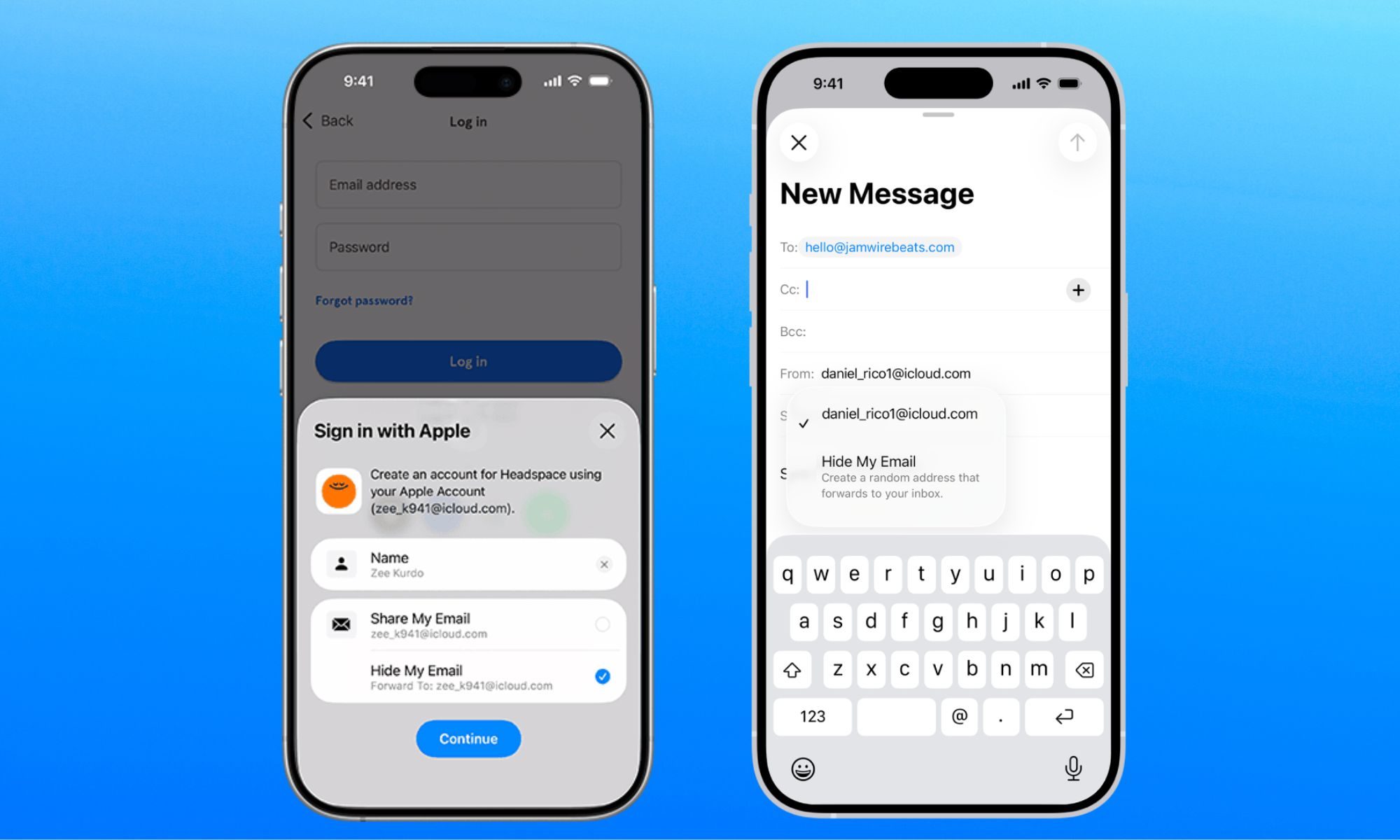
Apple fixes Hide My Email bug that exposed users’ real email addresses
Here's how Apple's Hide My Email flaw leaked real addresses for over a year, and why it only got fixed once the story went public.
apple-merging-sign-in-with-apple-hide-my-email-icloud+

Turns out the "Hide" part of Hide My Email wasn't doing its job quite as advertised, something that I covered early in July. Security researcher Tyler Murphy reported the flaw in June 2025, but despite Apple claiming it was resolved in March 2026, independent tests confirmed it remained exploitable, at least until July 3, 2026.

So how did this bug actually work?

Read more