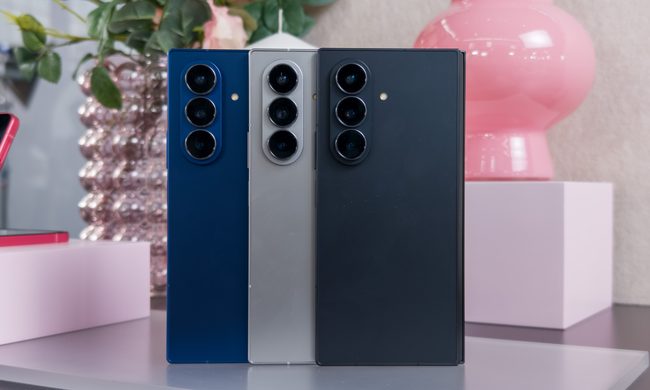
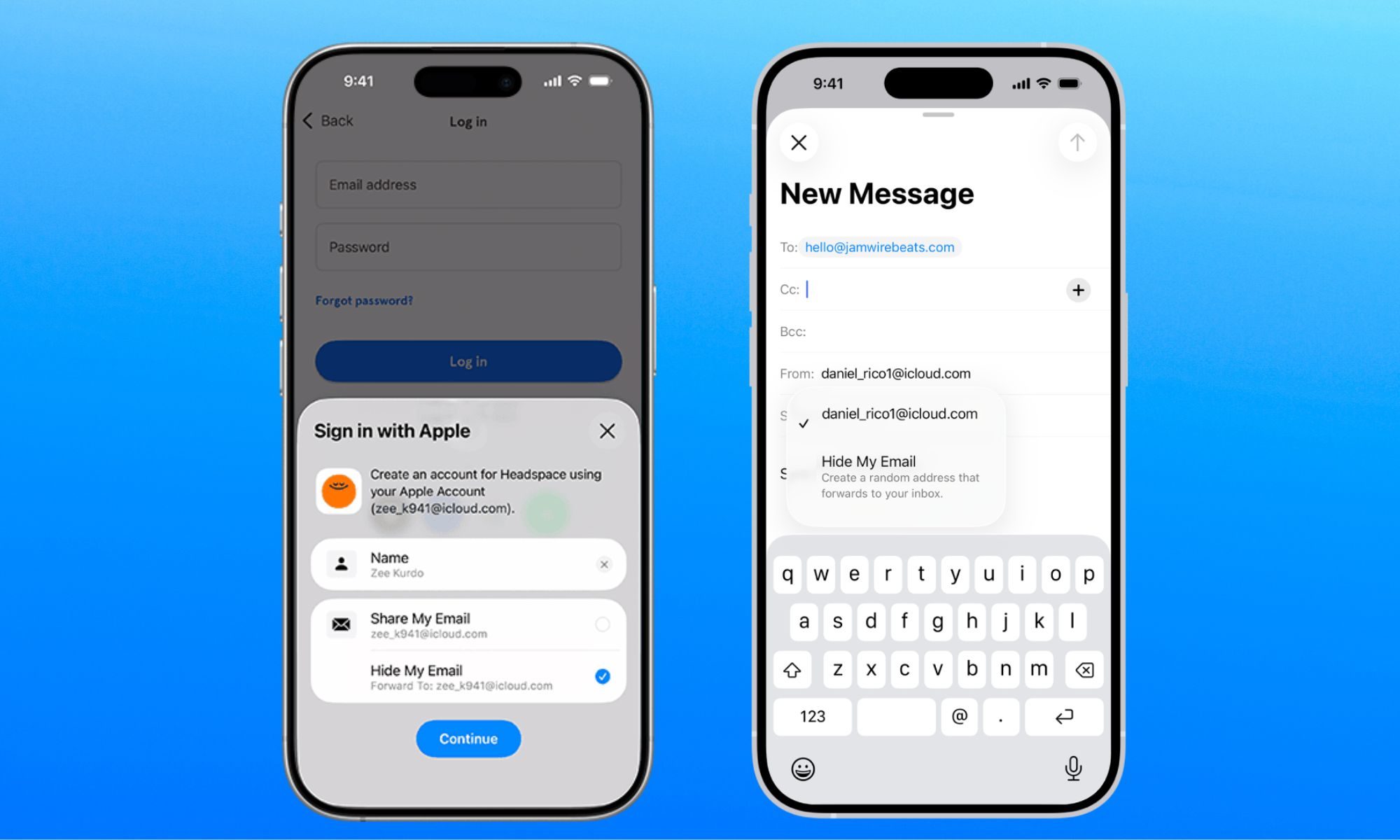
Changes are afoot in U.S government … in choice of handset, that is. Just this month, U.S. congressional staffers received the disheartening news that they’d no longer have their pick of BlackBerrys, and now the U.S. Army is reevaluating its options, too. According to DOD Buzz, the Army’s Special Operations Command (SOC) will soon eschew the Android phones it uses operationally for a platoon of iPhones.
The reason is a tactical one, apparently. The Android handsets comprise part of the Army’s Assault Kit, a “battlefield situational awareness tool” that’s intended to provide a big-picture overview of troop maneuvers by plotting troop movements on an electronic, communal map. They also serve as miniature mobile command stations, allowing troop leaders to stay abreast of “intelligence, surveillance, [and] reconnaissance sensor feeds” using a networked radio, according to DOD Buzz.
The only problem? The Samsung-supplied Android units fail frequently. DOD Buzz reports that the handsets “freeze up” and require frequent reboots, and apparently become particularly uncooperative when attempting to view video feeds from unmanned aerial systems — drones. “‘When [pulling up] a split screen showing the route and UAS feed, the Android smart phone [sic] will freeze up and fail to refresh properly and often have to be restarted,'” according to DOD Buzz’s source. “‘[It’s] a process that wastes valuable minutes.'”
The iPhones, by contrast, suffer from no such maladies. “‘It’s seamless on the iPhone,'” said DOD Buzz’s route. “‘The graphics are clear, unbelievable.'” In light of that finding, the Army is reportedly moving swiftly to swap Android kits for iPhone 6S variants, although DOD Buzz wasn’t able to discern a timeline.
Assuming the field reports are accurate, it’s tough to fault the Army for this move. Smartphones within the United State’s armed forces have become essentially indispensable, thanks to programs like the Defense Advanced Research Project Agency’s Transformative Apps. Troops download software distributed via a secure server to perform tasks like identifying high-risk combat zones; tracking drones in real time; calculating the ballistics of a sniper shot; avoiding friendly fire casualties; reviewing weapons and ammunition specs; measuring nearby radiation levels; and much, much more. There’s always pen and paper when those apps don’t work properly, but wasted seconds are dangerous seconds on an active battlefield.
We’ve reached out to the Army for comment, and we’ll update this article once we hear back.