We use apps daily — and there’s not much we do online without them, from banking and tracking our fitness to chatting with friends and playing games. If you’re wondering just how private the data you share with these apps really is — and which ones share that information the most — keep reading. A recent survey by cloud storage provider pCloud used Apple’s new privacy labels feature in the App Store to work out which apps gather the most private data for their own use, which ones share the most data with third parties, and which are the most invasive overall. The results might surprise you.
What data are apps sharing?
Being informed about what data your apps actually share can help you decide whether you want to continue using them or switch to less intrusive alternatives. Any information you enter when signing up on an app can be analyzed for that company’s benefit and shared, either with third parties associated with the company or those that pay to access your data. It’s all totally aboveboard; when you accept the app’s terms and conditions, you agree to this.
It might surprise you to know that 52% of apps share your data with third parties. This data can include things like your location, browsing history, contact details, fitness levels, banking details, and so on. While some of the reasons apps collect your data are legitimate — like tracking how you interact with them to make your experience better and to fix bugs — the company behind the app also can sell or pass this information to third parties that then target you with ads on their platforms. In reality, your data often ends up with social listening companies such as Hootsuite or BuzzSumo, which collect your data to allow companies to analyze you and, ultimately, sell products to you.
How much of your data do the most popular apps share?
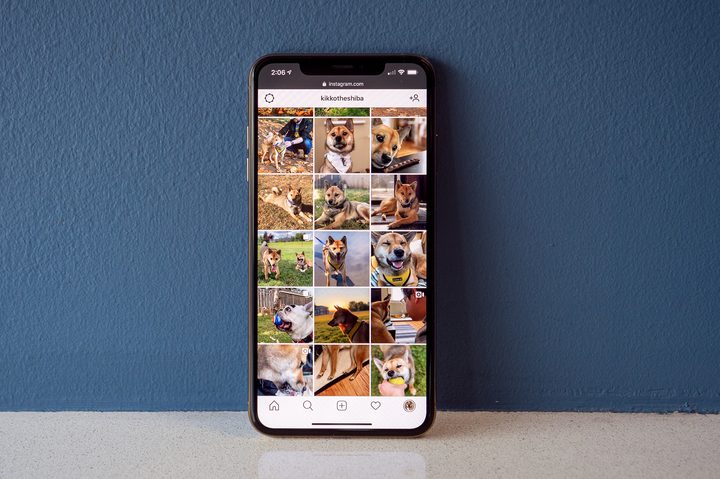
Apps that many of us use daily — Instagram, Facebook, eBay, LinkedIn, and YouTube — actually are some of the worst offenders when it comes to sharing your data with third parties. According to pCloud’s survey, Instagram is the worst offender of the lot, sharing 79% of your data — including your personal information, purchasing information, and browsing history — with others.
Facebook is next, sharing 57% of your data, with LinkedIn, YouTube, and TikTok not far behind at 50%, 42%, and 36%, respectively. YouTube shares your data by selling it to brands that target you across other platforms and uses it to choose the ads you see before and during videos. Some of the more surprising apps that share your data include Duolingo, the popular language-learning app, and eBay. Both share 36% of your data with third parties.
Apps collecting data for their own use
Even if apps aren’t sharing your data, they’re generally collecting it for their own (not always nefarious) uses. Social media platforms are the worst offenders here, with an estimated 80% of these apps using your data to market their own products within the app, as well as across other platforms. Facebook and Facebook-owned Instagram collect 86% of your data, which is then used to sell you more of their own products and show you relevant advertising. Twitter, LinkedIn, and eBay are not quite as bad, but they collect about 50% of your data for these purposes. It might surprise you that Amazon is relatively low on the list of offenders, collecting just 14% of user data, and the online retailer passes none of this on to third parties.
How to protect your personal data
It’s all well and good knowing which apps collect and share your private data — but what can you actually do about it?
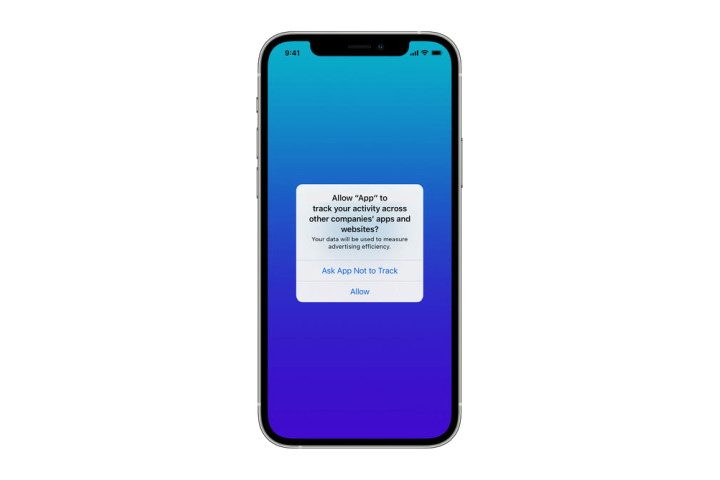
Good news for iPhone and iPad owners: The latest iOS 14.5 update comes with App Tracking Transparency, which will prompt you to opt out of tracking for apps that collect your data and share it with third parties. Once you’ve installed the latest update, whenever you open an app that tracks you, you’ll see a pop-up asking whether it has your permission to do so. Tap Ask App Not to Track to keep your data private.
If you don’t own an iPhone or iPad, there are apps out there that collect less of your data — or even none at all — so it makes sense to switch to one of these if worrying about your online privacy keeps you up at night. Skype, Microsoft Teams, and Google Classrooms are just a few of the apps that collect little or no data on their users, with Netflix and Signal also safe to use if you’re concerned about privacy. Overall, Facebook and Instagram collect and share the most data on their users, which might explain why many people are switching to apps such as Signal and Telegram.
There’s little need to worry about WhatsApp, either. In January 2021, WhatsApp updated its privacy policy, which caused many users to worry about the safety of their data. In the wake of this update, many people switched to Signal and Telegram. Although WhatsApp later clarified that its new policy would apply only to users communicating with businesses that integrate with WhatsApp — and that the app couldn’t snoop on private chats, call logs, or shared locations — this led to growing concerns about data privacy. The popular messaging app collects and shares only about 5% of your data, but bear in mind that if you’re using WhatsApp to communicate with a business, the app will share your phone number, location, transaction data, device ID, product interaction, and user identifiers with Facebook.